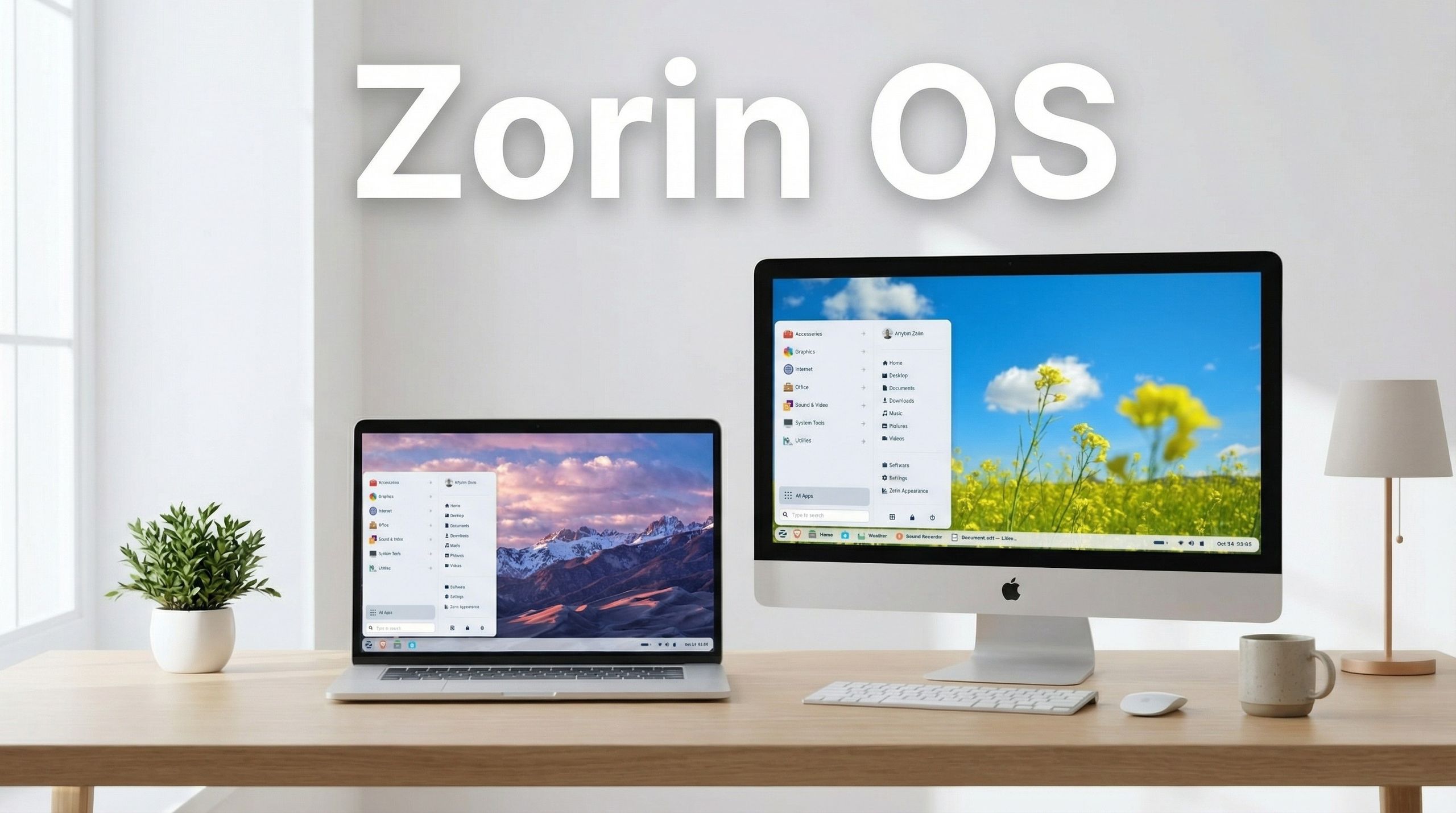
Zorin OS 18 has surpassed 2 million downloads in under three months, with roughly 75% of installs coming from Windows 10/11 users after its release coincided with Windows 10 end-of-life. The distro’s growth is being driven by Windows upgrade constraints (e.g., TPM 2.0 requirements), user resistance to Microsoft’s increased AI/bloat, and broader Linux adoption trends (Steam reports Linux share rising by 0.38% to 3.58%), signaling a material consumer-side shift toward Linux alternatives for legacy hardware but limited direct market-moving implications for public markets.
Market structure: Zorin OS hitting ~2M downloads in <3 months (≈75% from Windows users) signals a meaningful consumer-side substitution risk for legacy Windows on older hardware. Direct winners are open-source vendors (SUSE, IBM/Red Hat) and refurb/used-PC marketplaces; losers are modular: Windows consumer goodwill and OEM replacement cycles (HPQ, DELL) that rely on forced upgrades. Pricing power: Microsoft’s consumer engagement/AI bundling faces reputational pressure that could increase churn or suppress upgrade-driven PC sales by a few percent annually if trend sustains.
Risk assessment: Tail risks include regulatory action against Microsoft bundling AI (12–24 months) or a Microsoft counter-offensive (incentives/secure-boot lockouts) that could reverse adoption rapidly; low-probability but high-impact. Short-term (0–3 months) effects are reputation and trial counts; medium (3–12 months) could dent upgrade cycles by 1–3% of OEM unit volumes; long-term (1–3 years) enterprise inertia likely caps Linux consumer trials from translating into material MSFT revenue loss. Hidden dependencies: app compatibility, OEM promotions, and enterprise licensing dynamics.
Trade implications: Tactical plays favor small-cap exposure to pure-play Linux/managed services (SUSE) and used-hardware marketplaces (EBAY) while hedging MSFT exposure with limited-cost options. Pair trades: short OEMs (HPQ, DELL) vs long refurb/marketplace names. Options: cheap 1–3 month hedges on MSFT (put spreads) to protect tech exposure ahead of Windows update cycles; rotate into cyclicals if OEM replacement risk materializes.
Contrarian angles: Consensus may overstate consumer trials as durable migration—histor parallels (Windows XP EOL) showed experimentation but limited enterprise leakage. Reaction could be overdone for MSFT equity; downside risk is capped absent enterprise churn. Conversely, SUSE/IBM upside may be underpriced if enterprises accelerate migration for cost/security, creating 20–40% upside in 6–12 months for pure-play exposure under a low-probability fast-adoption scenario.
AI-powered research, real-time alerts, and portfolio analytics for institutional investors.
Request DemoOverall Sentiment
moderately positive
Sentiment Score
0.45
Ticker Sentiment
