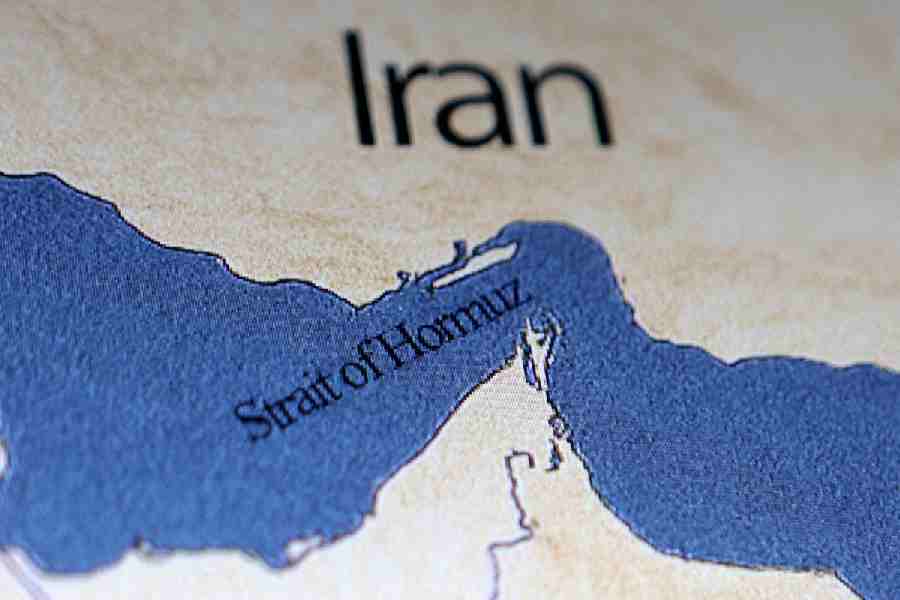
Brent crude fell ~11% to just under $100/bbl after a sudden diplomatic push centered on a pre-dawn meeting in Riyadh and reported Egyptian-IRGC channels proposing a five-day pause. US markets rallied, with the Dow Jones and S&P 500 posting their largest one-day gains since February, after President Trump reversed a 48-hour ultimatum in favor of diplomacy. Key risks remain: Iran lacked a clear negotiating counterpart following the assassination of Ali Larijani, the conflict continued with fresh US/Israeli strikes, and proposals over control/fees for the Strait of Hormuz remain contested.
Market swings priced in headline diplomacy but underweight the operational shock that follows a decapitation of centralized command: a fragmented IRGC response raises probability of asymmetric, low-cost attacks on third-party shipping and regional infrastructure that are harder to deter and easier to deny. That mechanism supports a persistent premium on maritime insurance and specialized escort services even if headline violence recedes, keeping freight rates and bunker spreads structurally higher by an estimated 10–25% versus pre-crisis baselines for 3–12 months.
A short-lived de-escalation is the most likely near-term outcome (30–45% tail of sustained calm), which would knock Brent down $8–$15 for 2–6 weeks, compressing exploration cashflows but creating a tactical squeeze for high-cash-cycle shale names. Conversely, a messy, leaderless Iran response creates a convex price response where Brent can spike $25+ within days if key chokepoints are disrupted, so optionality on upstream exposure is more valuable than linear long/shorts.
Policy responses are a critical non-market lever: any formalized mechanism that assigns transit fees or pooled security will re-price regional sovereign credit and shipping contracts (BIMCO war-risk clauses) for years, benefiting asset managers and insurers who can underwrite recurring toll-like revenues. For investors, the single biggest miss is treating current volatility as a pure political news event rather than a regime change in risk transfer dynamics — volatility products and specialist service providers are the asymmetric trades to favor.
AI-powered research, real-time alerts, and portfolio analytics for institutional investors.
Overall Sentiment
mixed
Sentiment Score
0.05
Ticker Sentiment
