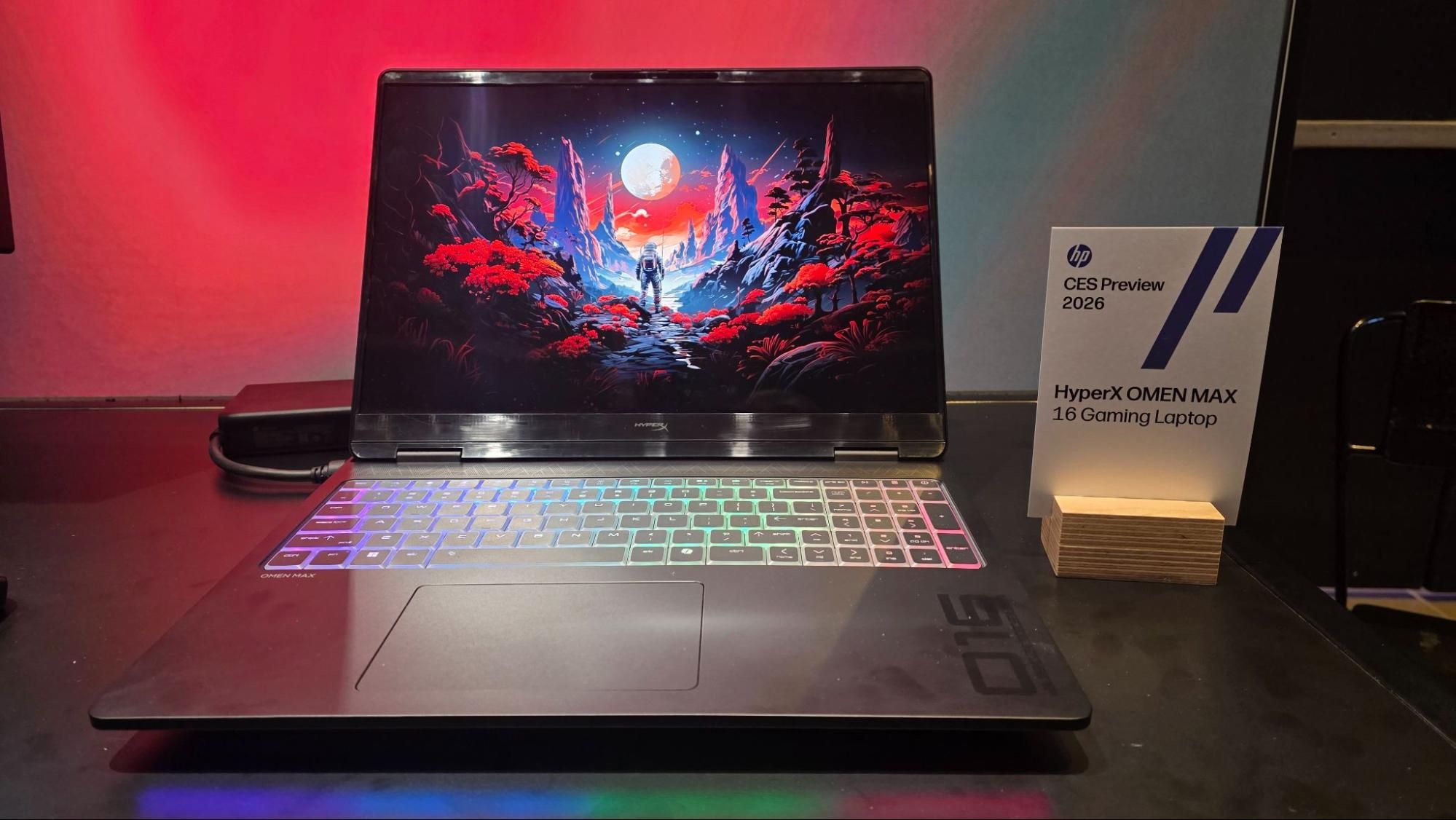
HP is consolidating its Omen gaming PC lineup under the HyperX brand and updating the Omen 15, Omen 16 and Omen Max 16 with next‑gen Intel and AMD CPUs (including Intel Core Ultra 9 386H and AMD Ryzen AI 7 450 references), NVIDIA RTX 50-series laptop GPUs (up to RTX 5090 on Max 16), up to 64GB DDR5, PCIe Gen5 SSD options, high‑refresh OLED/IPS panels and batteries up to 83 WHr. The Max 16 is touted as HP’s highest‑performance air‑cooled gaming laptop with up to 300W platform power and a 460W GaN charger; the Omen 15 targets availability in January 2026 with the 16 and Max 16 in spring and pricing TBD. The move unifies HyperX peripherals and systems to strengthen brand positioning in gaming, but with no pricing or broad financial guidance the near‑term market implications are limited.
Market structure: HPQ is the direct beneficiary — HyperX branding across systems creates an ecosystem play that should lift ASPs and attach rates for peripherals; estimate a 2–5% revenue uplift in HPQ’s gaming segment over 12 months if adoption mirrors Alienware history. NVDA wins on GPU content (RTX 5070/5080/5090 adoption) and suppliers of DDR5/PCIe Gen5 SSDs (MU, private suppliers) see secondary upside; DELL faces renewed competitive pressure in premium gaming, likely compressing promotional cycles and gross margins across peers.
Risk assessment: Key tail risks are execution (thermal/noise/battery disappointments), GPU/CPU supply squeezes, or a consumer cyclic slowdown that reduces discretionary spends by >20% YoY — any of which could reverse adoption and knock 30%+ off near-term unit forecasts. Near-term (days–weeks) expect modest HPQ headline momentum; medium (3–6 months) depends on reviews/pricing; long-term (12–24 months) hinges on sustained attach rates and Intel/AMD roadmap clarity (Panther/Nova timelines).
Trade implications: Tactical trades favor modest long HPQ and NVDA exposure with protective structures; consider HPQ 3–6 month 10–15% OTM call spreads to play upside around product rollouts, and NVDA 6–12 month LEAPS for secular GPU demand. Relative-value: long HPQ vs short DELL (equal notional 1–2% portfolio weights) to capture brand premium if HPQ executes; avoid outright long exposure to smaller peripheral OEMs that could be disintermediated.
Contrarian angles: The market may underweight integration costs and cannibalization — HyperX peripherals could lose independent shelf space, compressing margins in year 1. Historical parallel: Dell+Alienware took >12 months to meaningfully shift mix; if HPQ fails to price above last-gen Omen, upside is limited. A negative review of the Max 16 thermal claims would be a swift catalyst to unwind long HPQ exposure.
AI-powered research, real-time alerts, and portfolio analytics for institutional investors.
Request DemoOverall Sentiment
mildly positive
Sentiment Score
0.30
Ticker Sentiment
