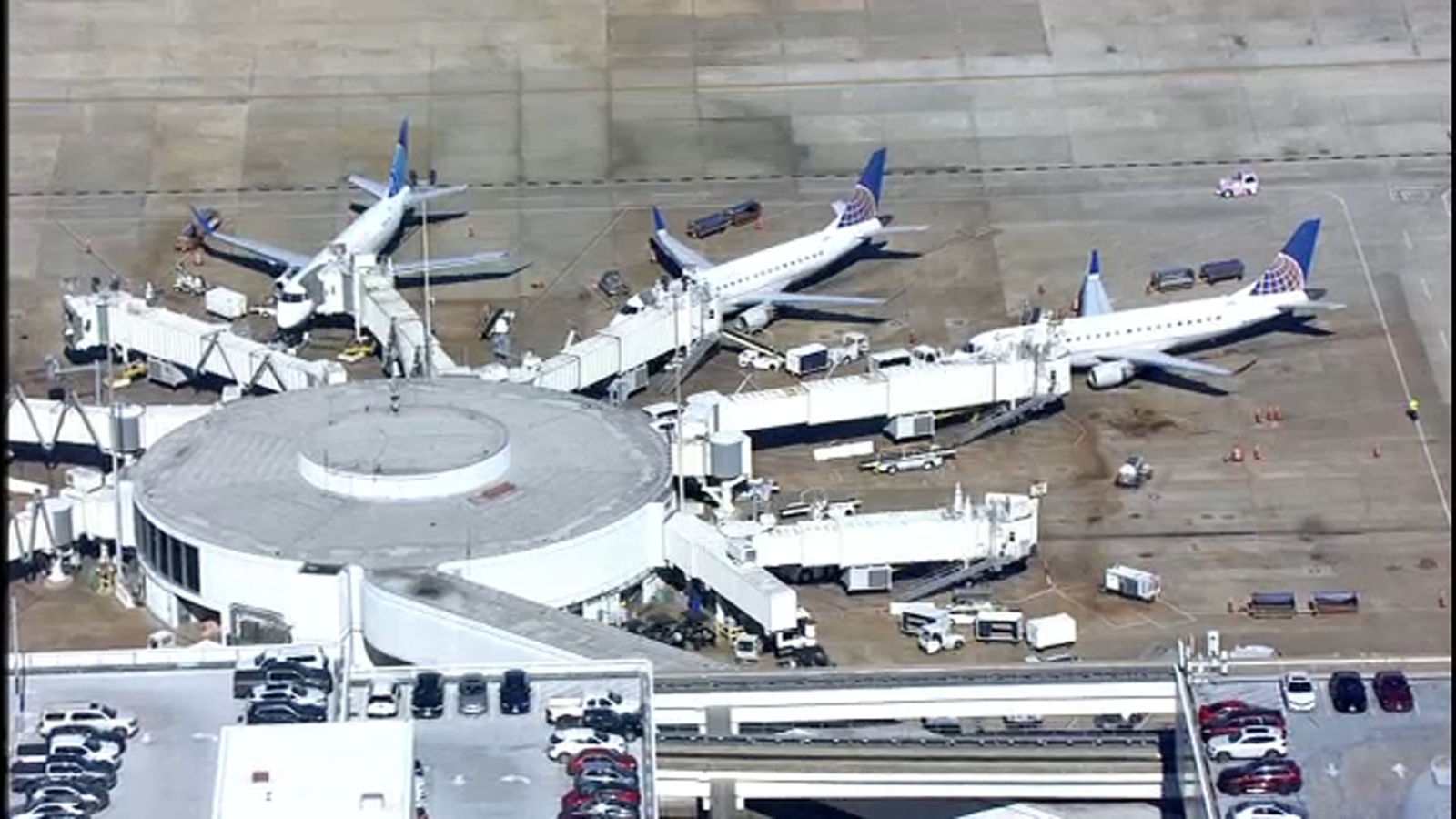
Major U.S. carriers have issued travel advisories ahead of an expected winter storm in Houston, waiving change fees and expanding rebooking windows for impacted itineraries: American waives change fees for tickets purchased by Jan. 19 for travel Jan. 23–25 with rebooking allowed Jan. 21–28; United permits rescheduling on United flights Jan. 21–29 within the same cabin and city pair; Southwest allows rebooking/standby for Hobby (HOU) travel Jan. 23–26 within 14 days and offers refunds for cancellations or significant delays. The Department of Transportation reiterates that airlines must promptly refund ticketed passengers for canceled or significantly changed flights, including non-refundable tickets. These measures indicate localized operational disruption and potential short-term revenue or schedule impacts for the carriers, but are unlikely to produce broad market moves.
Market structure: This is a localized, short-duration operational shock concentrated on IAH (AAL, UAL exposure) and HOU (LUV). Winners are ground-transport alternatives (short-term demand uptick for car rental/ride-hail) and incumbents with spare aircraft/crew outside Houston; losers are carriers with tight hub schedules (LUV - Hobby) who face higher rebooking/refund costs and disruption to network-stable yields. Supply/demand: temporary supply reduction (cancelled flights) will nudge near-term yields down on affected routes for ~1–2 weeks; jet-fuel demand impact is negligible (<0.5% weekly consumption change) so commodities move little. Cross-asset: expect +5–25bp widening in high-yield airline credit spreads and a 10–30% lift in 1–2 week implied volatility for airline equity options around Jan 23–29; FX impact immaterial.
Risk assessment: Tail risks include a protracted freeze (multi-week) causing cascading cancellations, regulatory fines or expanded DOT refund rulings — a >3-day systemwide disruption could cost a major carrier $50–200m in operating disruption. Immediate (days): revenue leakage from refunds/rebooks; short-term (weeks): margin pressure from crew/overnight costs; long-term (quarters): negligible unless climate-driven frequency of events rises materially. Hidden dependencies: crew domicile, spare aircraft pool, interline/alliances and OTA refund flows; these amplify costs nonlinearly if multiple hubs are affected. Catalysts: weather forecasts confirming multi-day freeze, DOT enforcement announcements, or concentrated cancel counts (>1,000 cancellations) accelerate downside.
Trade implications: Direct: establish tactical small positions—buy cheap downside protection on LUV and UAL into Jan 29 weekly expiry: consider LUV 30-delta put spread (buy Jan 29 short-term put, sell deeper put) sized 1–2% NAV to cap downside. Pair: long AAL vs short LUV (1:1) for 4–6 weeks to play relative hub resilience; AAL has broader global feed (IAH) vs LUV’s HOU exposure. Options: buy 2–6 day calendar vols—purchase Jan 29 weekly calls on implied vol if cancellation counts surge, or buy put spreads to limit premium outlay. Rotate out of short-dated airline longs and into travel-service names (car rental, LLYR?) for 1–2 week liquidity preservation.
Contrarian angles: Consensus treats this as transitory; markets may underprice knock-on crew/maintenance rerouting costs that persist >2 weeks. Overdone: a full-scale, long-duration collapse in demand is unlikely; underdone: regulatory reputational costs if DOT tightens refund enforcement leading to larger-than-expected refunds for major carriers. Historical parallels (2014–2015 winter storms) show 1–3% stock drawdowns that recovered in 4–8 weeks—use that as a ceiling for tactical risk sizing. Unintended consequence: aggressive fee waivers could permanently reset customer expectations, trimming ancillary revenue by 50–150bp if carriers extend policies, creating a medium-term earnings headwind.
AI-powered research, real-time alerts, and portfolio analytics for institutional investors.
Request DemoOverall Sentiment
neutral
Sentiment Score
-0.05
Ticker Sentiment
