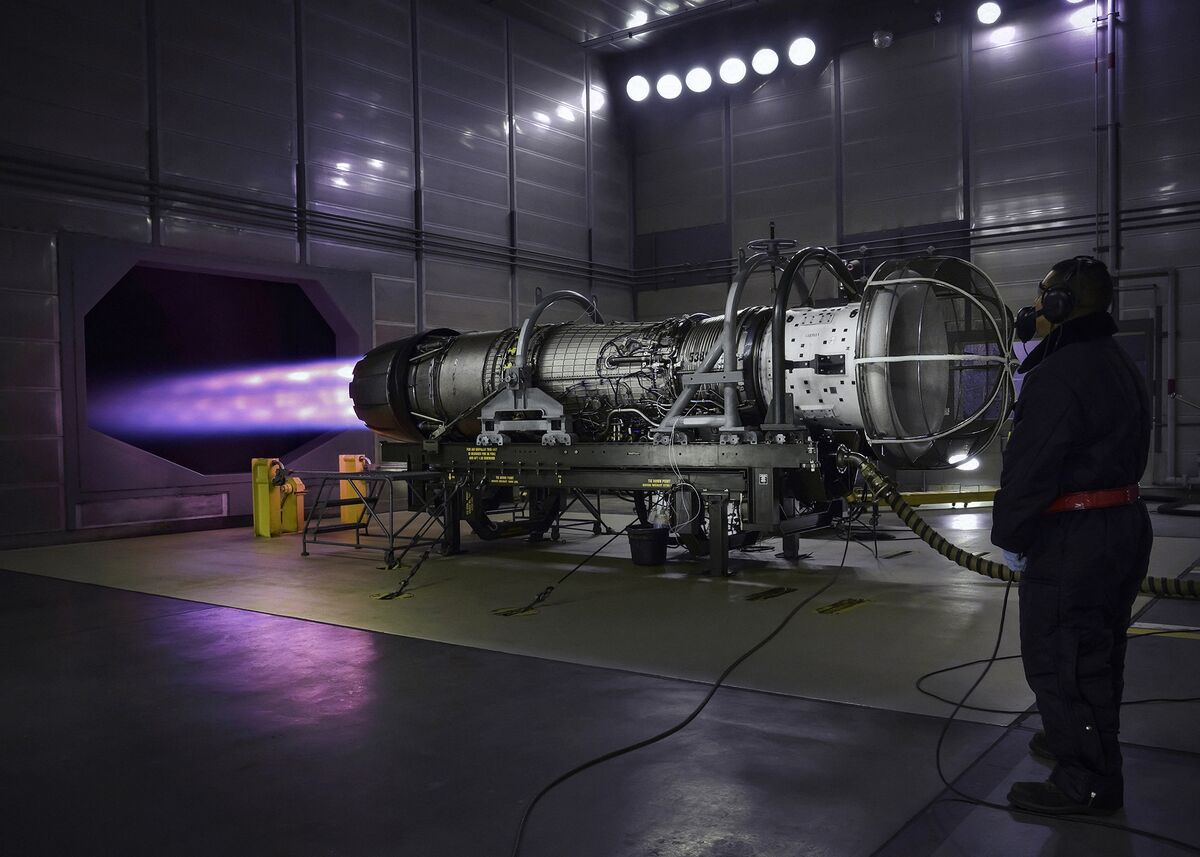
Turkey's indigenous Kaan fighter jet program, aimed at establishing the nation as a defense export powerhouse, faces significant hurdles due to frozen US engine deliveries. US sanctions, imposed following Turkey's 2017 acquisition of a Russian air-defense system, have halted export licenses for the crucial GE Aerospace F110-GE-129 engines, as confirmed by Foreign Minister Hakan Fidan. This dependency on key US defense technology underscores a strategic vulnerability for Turkey's ambitious arms production and export goals.
Turkey's strategic ambition to develop its indigenous fifth-generation Kaan fighter jet and become a defense export powerhouse is facing a critical impediment due to geopolitical friction with the United States. According to Foreign Minister Hakan Fidan, US congressional sanctions, imposed after Turkey's 2017 purchase of a Russian air-defense system, have frozen the necessary export licenses for GE Aerospace's F110-GE-129 engines. This halt directly jeopardizes the Kaan program and exposes a significant vulnerability in Turkey's defense industrial base: its dependency on critical US-sourced components. For GE Aerospace (GE), the situation represents a stalled, high-value export contract, underscoring the tangible financial risks that geopolitical tensions and sanctions can impose on defense sector supply chains. The strongly negative sentiment reflects the severity of this bottleneck for a multi-billion dollar program central to Turkey's national security and economic strategy.
AI-powered research, real-time alerts, and portfolio analytics for institutional investors.
Request DemoOverall Sentiment
strongly negative
Sentiment Score
-0.60
Ticker Sentiment
