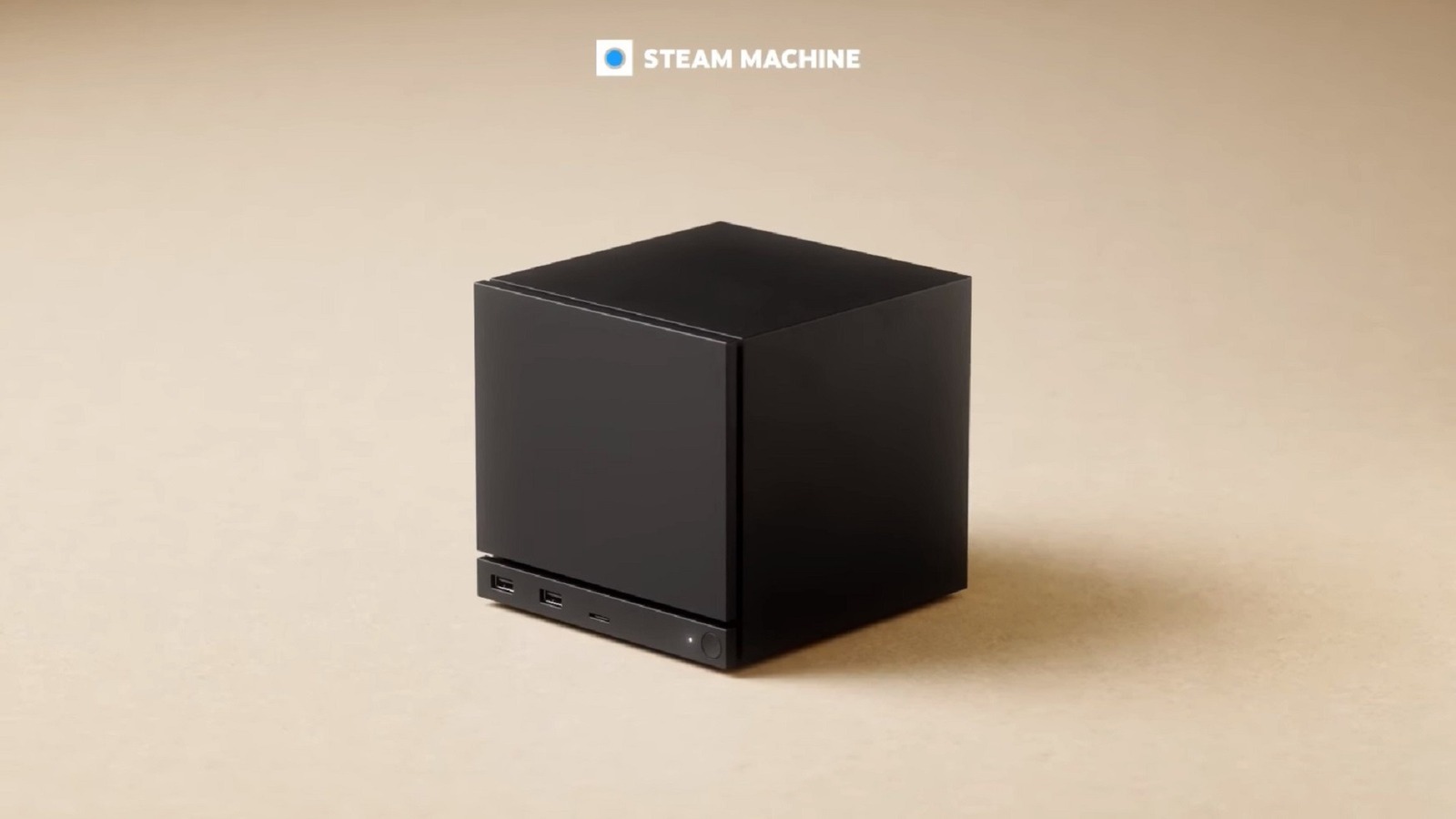
A Czech retailer listing leaked estimated MSRPs for Valve's upcoming Steam Machine at roughly $950 for the 512GB model and $1,070 for the 2TB model, notably higher than typical console pricing. Rising memory and GPU costs amid a chip shortage driven in part by AI demand, plus tariffs/import taxes and Valve's stated refusal to subsidize hardware like console rivals, are cited as drivers that could push the final retail price above expectations; Valve has not confirmed pricing or a release date.
Market structure: A $950–$1,070 Steam Machine (~2x current console price) tilts consumer economics toward subsidized consoles (SONY, MSFT) and away from premium small-form-factor PCs. Winners are upstream component suppliers (GPU/DRAM/NAND makers) and distributors able to pass through price increases; losers are Valve (if volume disappoints), smaller PC OEMs and price-sensitive retail segments. Competitive dynamics: Valve’s stated no-subsidy stance cedes pricing power to Sony/Microsoft’s loss-leader console + services model, likely preserving console market share and reducing PC attach-rate for casual gamers within 6–12 months.
Risk assessment: Primary tail risks include an unexpected supply relief (capacity coming online in 6–12 months) collapsing component spreads, or an official Valve MSRP below the leak boosting Valve sales and hurting component vendors. Short-term (days–weeks) volatility will track official pricing and holiday launch timing; medium-term (3–9 months) impact depends on DRAM/GPU price trajectories and Valve’s marketing. Hidden dependencies: Steam store monetization and game developer ecosystem (attach rate) determine lifetime value; second-order effect — higher hardware prices accelerate cloud/streaming adoption benefiting Azure/PlayStation cloud.
Trade implications: Favor component suppliers exposed to tight memory/GPU markets (NVDA, AMD, MU) and defensive longs in console owners (SONY, MSFT) while tactically short PC OEMs (DELL, HPQ) that sell non-subsidized hardware. Options: buy 3–6 month call spreads on NVDA/MU to play continued margin expansion; hedge with 3-month put spreads on DELL/HPQ. Rebalance within 30–90 days around Valve’s official MSRP and holiday sell-through data.
Contrarian angles: Consensus focuses on sticker shock but underestimates two outcomes: affluent core gamers may accept premium pricing (sustaining ASPs) and persistently high component prices could boost supplier FCF for 2–4 quarters. Historical parallel: 2020–21 GPU shortages drove multi-quarter upside for NVDA and Micron; unintended consequence — higher retail prices accelerate cloud gaming adoption, disproportionately helping MSFT/Azure over hardware-centric players.
AI-powered research, real-time alerts, and portfolio analytics for institutional investors.
Request DemoOverall Sentiment
moderately negative
Sentiment Score
-0.40
Ticker Sentiment
