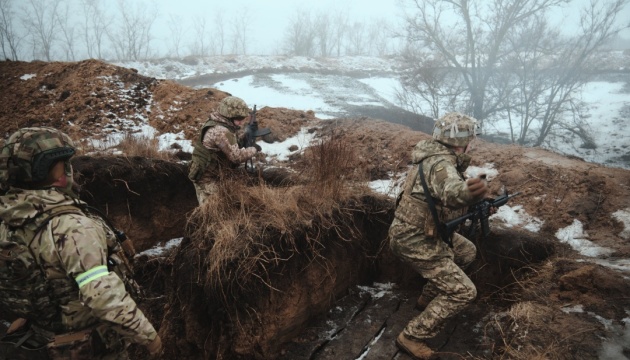
As of 08:00 on Jan 17, 2026 the Ukrainian General Staff reported 164 combat engagements with Russian forces carrying out 71 airstrikes (dropping 189 glide bombs), 3,644 shelling attacks including 49 MLRS strikes, and the use of 7,621 loitering munitions; Ukrainian forces reported striking six enemy concentration areas and an ammunition depot. Ukrainian defenders repelled multiple attacks across numerous sectors (Zaporizhzhia, Kupiansk, Lyman, Sloviansk, Kramatorsk, Pokrovsk, Huliaipole, Orikhiv) while Kyiv cited total Russian combat losses since Feb 24, 2022 at ~1,225,590 personnel (1,130 over the past day). The persistent high-intensity operations underscore sustained geopolitical risk that is likely to keep risk premia elevated for regional assets and maintain sensitivity in defense and energy-related markets.
Market structure: Persistent high-intensity fighting increases demand for air-defence, munitions, loitering systems and logistics — direct beneficiaries are large primes (LMT, RTX, NOC, GD) and niche drone/loitering suppliers (AVAV, KTOS). Expect order backlogs to extend 6–18 months and OEM pricing power to rise; commodities (oil, nat-gas, wheat) have a 3–15% upward trading band on escalation risk while safe-havens (USD, gold, USTs) see inflows that can compress yields by ~10–30 bps in days.
Risk assessment: Tail risks include NATO entanglement, strategic strikes on European energy infrastructure, or a major cyberattack that would spike oil/gas +20–40% and equities down 15–30% — low probability but material. Timeline: immediate (days) = volatility spikes and TLT/GLD bids; short-term (weeks–months) = defense procurement re-rating; long-term (years) = structural increases in defence budgets and supply‑chain reshoring. Hidden dependencies: defence revenue realization hinges on congressional/European approvals and semiconductor/rare‑earth availability.
Trade implications: Favor selective long exposure to large-cap defense primes via equities or 9–18m LEAPS (LMT, RTX, NOC) sized 2–3% each, hedge macro with a small short of cyclical European equities (EWG 1–1.5%). Buy tactical safe-haven positions: GLD 1–2% and TLT 1–2% for volatility-led repricing; consider buying 1–3m VIX calls or GLD call spreads for asymmetric protection. Entry window: act within 2 weeks; trim if a de‑escalation/major aid denial occurs within 30–60 days.
Contrarian angles: Consensus is overweight obvious defence names and gold — underappreciated opportunities include construction/equipment (CAT) and semiconductor suppliers to defense (LRCX, MPWR) which will benefit from sustained procurement but are less bid-up. Small drone stocks (AVAV) are at risk of execution and margin compression; look for 25–40% pullbacks as buying opportunities rather than chasing. Historical parallels (short intense spikes then plateau) argue for layered entries and use of option-based convexity.
AI-powered research, real-time alerts, and portfolio analytics for institutional investors.
Request DemoOverall Sentiment
moderately negative
Sentiment Score
-0.50
