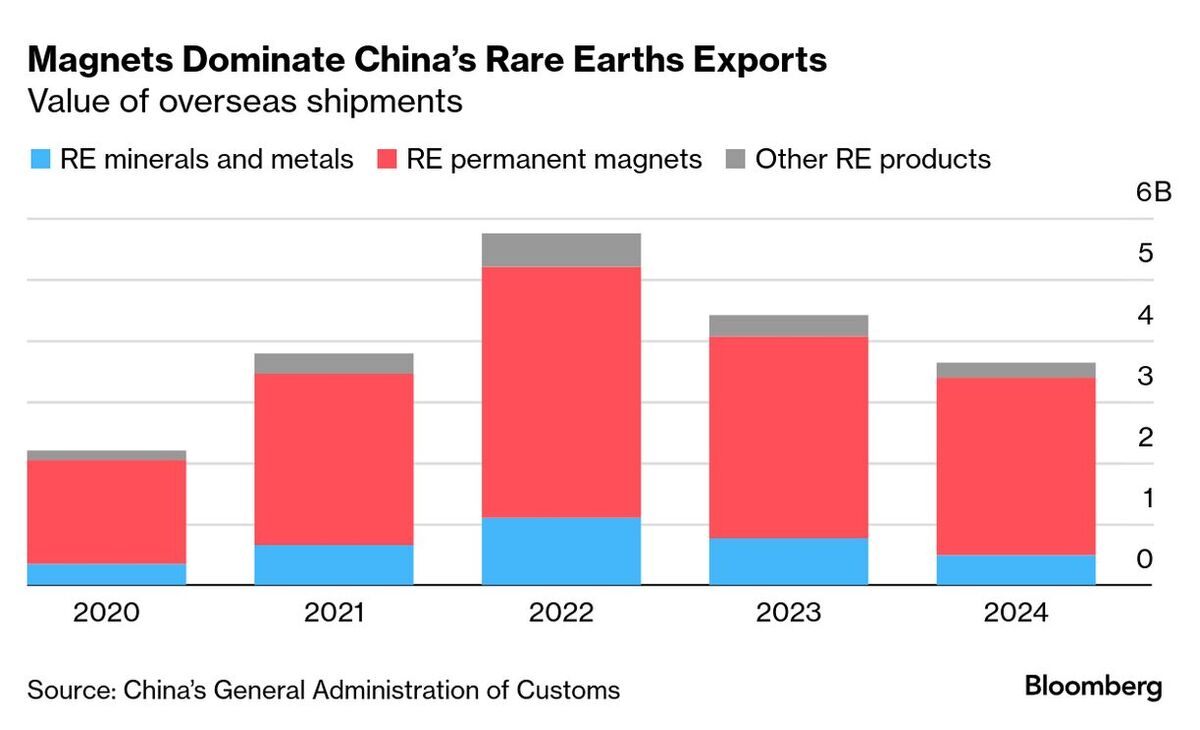
China is employing a "small yard, high fence" strategy, similar to that of the Biden administration regarding high-end chips, in its negotiations with the Trump administration, potentially restricting access to strategic resources like rare earths.
China is reportedly employing a "small yard, high fence" strategy in its current negotiations with the Trump administration, a tactic mirroring the Biden administration's approach to restricting China's access to strategic US exports such as high-end chips. The article specifically highlights the potential use of rare earths as a key component of China's negotiating leverage, indicating a reciprocal move in the ongoing strategic economic competition. This development points towards an increasing likelihood of targeted export controls on critical materials, potentially impacting global supply chains dependent on Chinese-sourced rare earths. The situation is characterized by a moderately negative sentiment score of -0.5 and an uncertain tone, reflecting the inherent unpredictability and potential moderate market repercussions, indicated by an impact score of 0.6, of such geopolitical trade maneuvers.
AI-powered research, real-time alerts, and portfolio analytics for institutional investors.
Request DemoOverall Sentiment
moderately negative
Sentiment Score
-0.50
