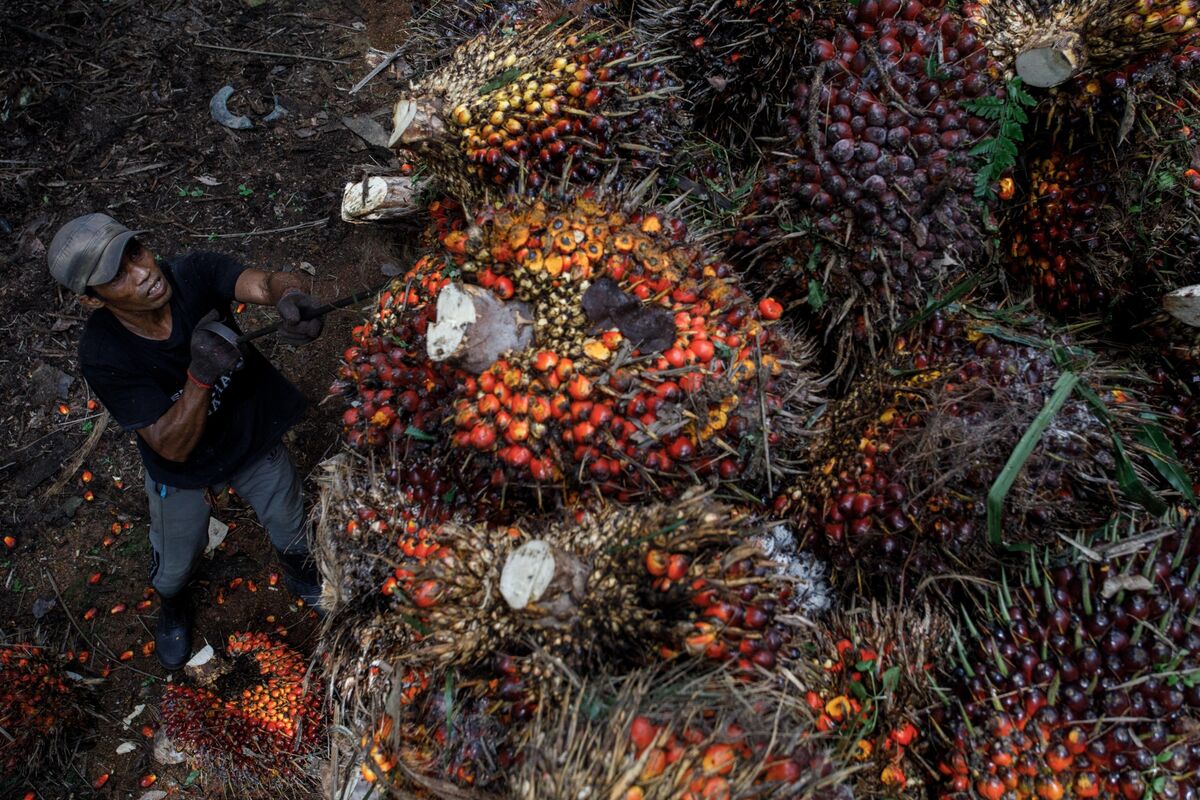
Malaysia's palm oil inventories rose to 2.71 million tonnes in November, a 10% increase month‑on‑month and a 47% gain year‑on‑year, according to the median of an 11‑respondent industry survey. Stocks are at their highest level since April 2019 as exports slowed in November, a combination likely to weigh on palm‑oil prices and pressure plantation producers and exporters reliant on export demand.
Market structure: The 2.71M-ton Malaysian palm stockpile (up 47% y/y) signals clear short-term oversupply and compresses pricing power for upstream planters (SIMEPLT, IOI.KL, KLK.KL) while benefiting downstream processors and edible-oil buyers via lower input costs. Expect spot BMD FCPO futures to trade under pressure for weeks; if inventories remain >2.5M for two consecutive months, probability of a 10–25% price decline over 3–6 months rises materially. FX and EM spillovers: weaker palm receipts increase downside risk to MYR/IDR, pressuring local equities and potentially lifting CDS spreads for Malaysia/Indonesia sovereign credit in the near term.
Risk assessment: Tail risks include abrupt Indonesian export restrictions or a Malaysia biodiesel mandate increase, which could swing supply by ±15–30% and reverse price moves within 30–90 days. Immediate (days) risk is headline-driven volatility; short-term (weeks–months) is inventory trajectory and demand from India/China; long-term (quarters–years) is replanting cycles and yield improvements. Hidden dependencies: crude oil moves (biodiesel competitiveness), seasonal demand, and currency swings can amplify/offset inventory impact.
Trade implications: Direct tactical plays: short upstream plantation equities and FCPO futures; long processors/refiners and consumer staples that consume vegetable oils. Use options to define risk (3-month put spreads on FCPO or 6-month puts on IOI.KL). Key catalysts to watch: monthly export permits, Indonesia policy announcements, El Niño signals, and FCPO trading below its 200-day MA; act within 2–8 week windows.
Contrarian angles: Consensus assumes persistent weak demand; that misses policy swing risk—Indonesia has a history of export curbs that can trigger sharp rallies (>30%) in weeks. If inventories start to fall to <2.0M within 2–3 months, short positions will be crowded; implied vol usually underprices that kink. Historical parallel: 2019 inventory spikes were erased by policy/demand shifts within two quarters, so size shorts with tight stops and use asymmetric option structures to protect against policy shocks.
AI-powered research, real-time alerts, and portfolio analytics for institutional investors.
Request DemoOverall Sentiment
moderately negative
Sentiment Score
-0.40
