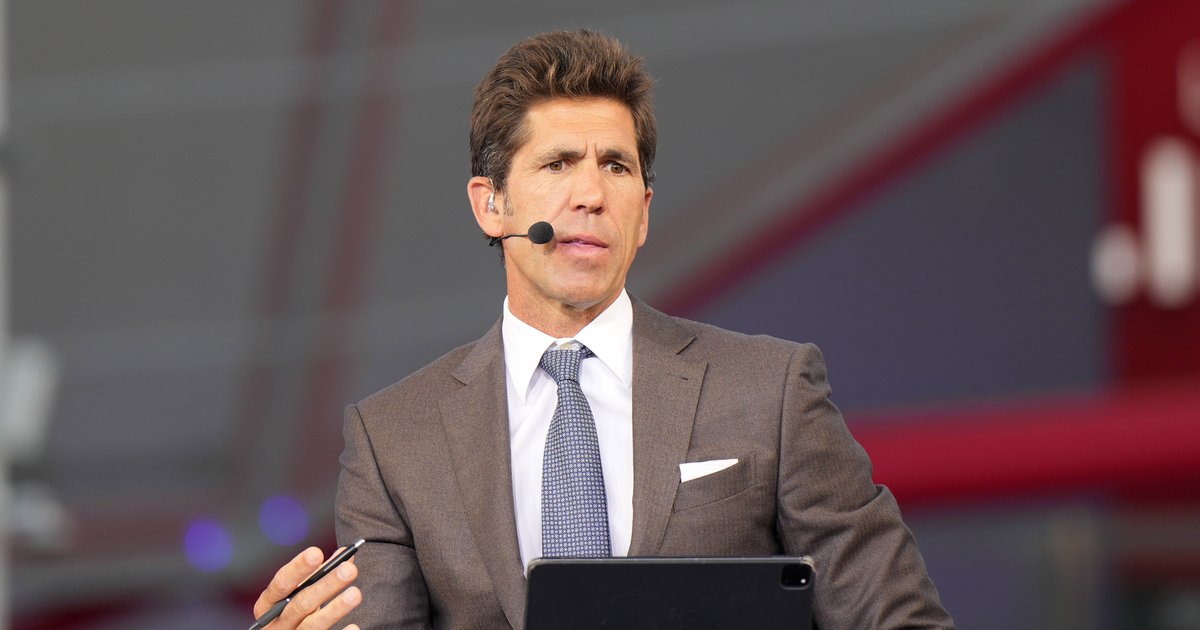
Daryl Morey is out as Sixers President of Basketball Operations after nearly six years, with Bob Myers named interim lead and tasked with finding a permanent replacement. Nick Nurse remains head coach, while the article outlines a wide-ranging candidate list that includes Elton Brand, Vince Rozman, Justin Lindsey, Matt Lloyd, Trajan Langdon, Brian Wright, and player-agent options such as Austin Brown and Alex Saratsis. The piece is mainly a front-office succession update and is unlikely to have broad market impact.
This is primarily a governance reset, but the market-relevant signal is that control has shifted from a single conviction-driven operator to a process-led regime with a trusted external allocator at the center. That usually lowers the probability of a dramatic roster pivot in the next 1-2 quarters and raises the odds of incrementalism: continuity on coaching, a slower decision cycle, and less appetite for high-variance transactions until the new hierarchy is settled. The immediate beneficiaries are incumbents and adjacent personnel whose value lies in institutional memory and roster coherence rather than splashy innovation.
The second-order effect is on negotiation leverage. When leadership changes midstream, counterparties tend to test for urgency, which can widen price dispersion on free agents and trade talks for 30-90 days. That matters most for marginal, non-star assets: the front office may prefer preserving optionality over paying up for middle-tier upgrades, especially if the interim structure wants to evaluate the existing staff before making a permanent hire. In that setup, assets represented by agents with potential inside-track relationships can see a temporary boost in perceived landing probability, but the more durable effect is on timing, not final outcome.
The contrarian read is that the headline overstates churn risk. If the interim decision-maker is highly trusted and the coach is already embedded, the new hire may be selected for fit and restraint, not mandate-driven overhaul. That would make the next major roster move more likely to come later in the calendar rather than immediately, which is bearish for event-driven speculation but bullish for anyone expecting a clean-up phase that suppresses aggressive overpayment. The real variable is whether the interim operator ultimately keeps the seat; if yes, the market should price a much more stable process than the news flow suggests.
AI-powered research, real-time alerts, and portfolio analytics for institutional investors.
Request DemoOverall Sentiment
neutral
Sentiment Score
-0.05
