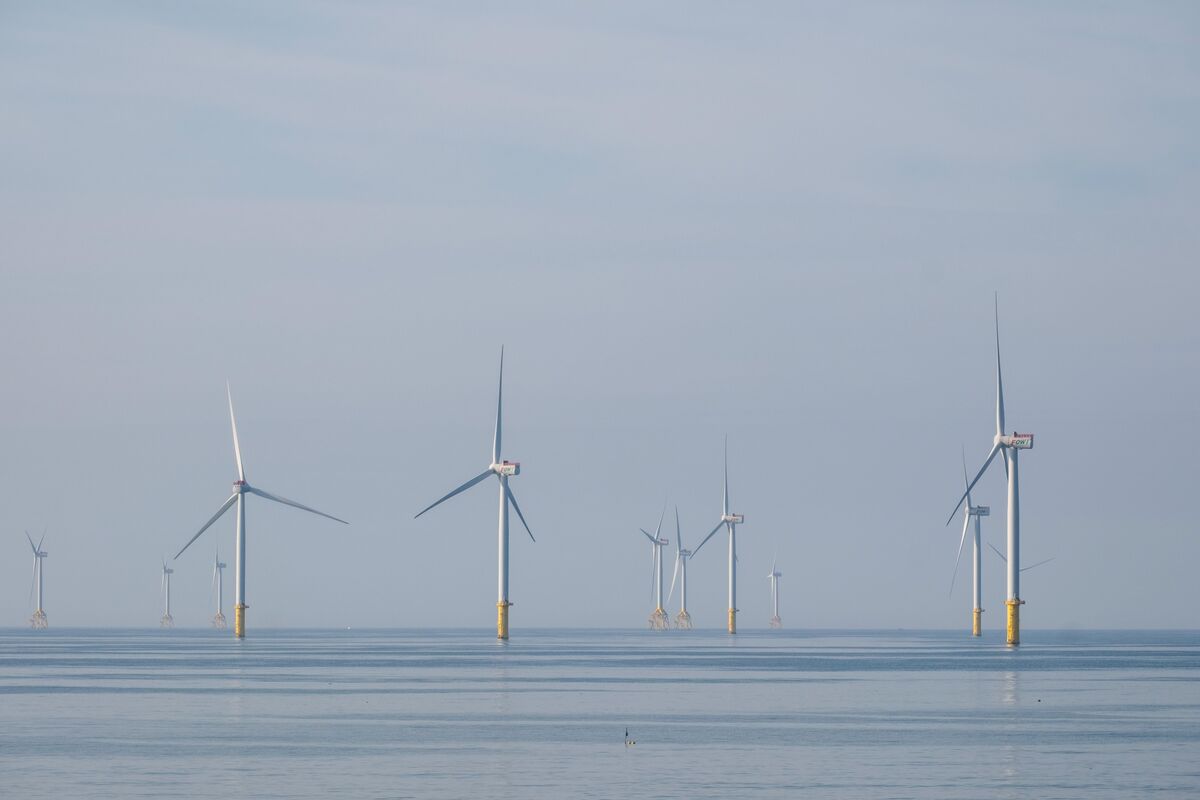
Seraya Partners is considering a sale of Cyan Renewables Pte at a potential valuation of about $2 billion. The Singapore-based offshore wind vessel operator has already attracted early interest from infrastructure investors, industry players, and conglomerates. The report is preliminary and does not confirm a transaction, so the immediate market impact is likely limited.
A control transaction for an offshore-wind service platform would matter less for the headline valuation than for what it says about capital access in the ecosystem. The likely buyer set — infrastructure capital, strategics, and industrial conglomerates — implies these assets are increasingly being treated like toll roads: contracted cash flows with technology and operating risk, but also with pricing power if vessel scarcity persists. That should support owners of adjacent marine services, cable-laying, subsea inspection, and installation logistics where utilization is the real margin driver.
The second-order beneficiary is not necessarily the vessel operator itself, but the supply chain that can reprice around it. If the asset trades near the indicated level, it would reset private-market marks for offshore-wind service fleets and could tighten financing standards for smaller competitors that lack long-duration contracts or balance-sheet support. Conversely, if diligence reveals weaker asset economics, it will likely hit the whole “renewables picks-and-shovels” complex, because these businesses are highly levered to utilization assumptions and vessel day rates over a multi-year cycle.
The key risk is timing: this is more of a 3-12 month catalyst than a day-trade, because M&A processes in infra can stall on financing, warranties, and buyer syndication. The trade reverses if offshore-wind capex is delayed further or if rates stay high enough to compress returns on long-duration assets, forcing buyers to demand lower leverage and lower entry prices. A failed sale would be a negative read-through for private-market liquidity in the broader renewable infrastructure stack.
The contrarian angle is that consensus may be overestimating strategic scarcity and underestimating cyclicality. Offshore-wind service assets can look bond-like when utilization is tight, but they are actually exposed to project slippage, permitting delays, and OEM supply-chain bottlenecks that can leave vessels idle quickly. If the market is anchoring to an aggressive valuation, the risk/reward increasingly favors waiting for a better entry or buying the likely consolidators only after pricing power is confirmed in the next booking cycle.
AI-powered research, real-time alerts, and portfolio analytics for institutional investors.
Request TrialOverall Sentiment
neutral
Sentiment Score
0.15
