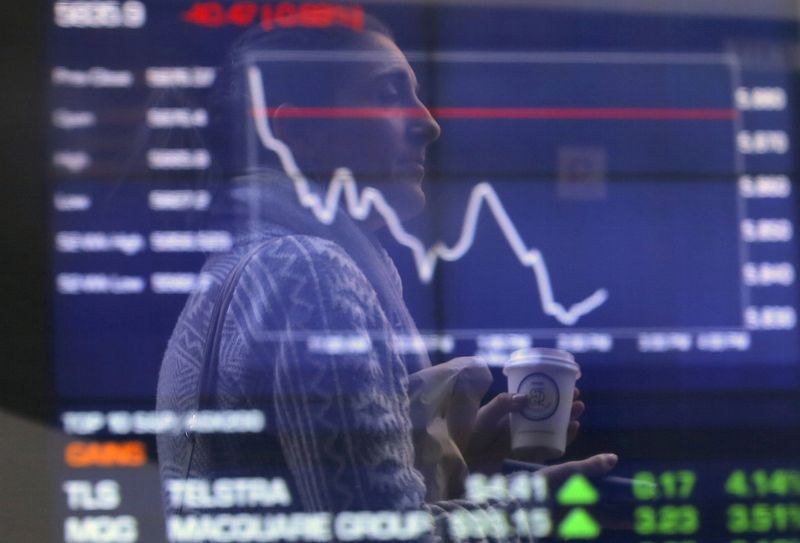
Temple & Webster Group fell 6.01% to 5.32 and hit a 52-week low, making it the weakest stock highlighted in the session. The broader S&P/ASX 200 declined 0.36%, with losers outnumbering gainers 645 to 496 as risk appetite weakened across the market. The piece is largely market wrap plus a promotional note about GDG, with no major new fundamental catalyst.
The important signal here is not the day’s pullback itself, but the market’s willingness to punish high-multiple consumer internet names when real rates and risk appetite wobble. For names like LIF, the incremental downside is usually less about earnings revisions and more about positioning: once momentum breaks, de-grossing can force a sharper, faster re-rating than fundamentals alone would justify. That makes this a flow-driven tape, where the next move is likely dictated by whether systematic buyers re-engage or whether the stock spends several sessions below prior support.
Second-order, the selloff in a consumer-discretionary compounder is a read-through on ad spend and discretionary demand sensitivity, which can pressure adjacent software and internet platforms even if their own fundamentals are intact. APP remains the cleaner relative winner in this group because ad-tech exposure tends to benefit from reallocations out of higher-beta consumer internet names, especially if management can keep proving monetization efficiency. SMCI is less directly tied, but it remains a “quality momentum” proxy; if growth gets repriced higher-quality compounders should absorb some of the rotation.
The contrarian setup is that the move may already be too crowded on the bearish side if the stock is now below widely watched technical levels and retail holders are capitulating. In that case, the near-term risk is a reflexive bounce rather than further linear downside, particularly over a 2-6 week horizon if broader market volatility stabilizes and the name stops making lower lows. The key catalyst to watch is whether management commentary or broker downgrades force another leg of forced selling, or whether the absence of bad news allows valuation support to reassert itself.
On balance, this looks like a tradeable dislocation rather than a clean fundamental break, but only if you respect the momentum damage and size for volatility. The asymmetry favors tactical rather than strategic exposure until the market proves the stock can reclaim lost trend support.
AI-powered research, real-time alerts, and portfolio analytics for institutional investors.
Request DemoOverall Sentiment
mixed
Sentiment Score
-0.10
Ticker Sentiment
