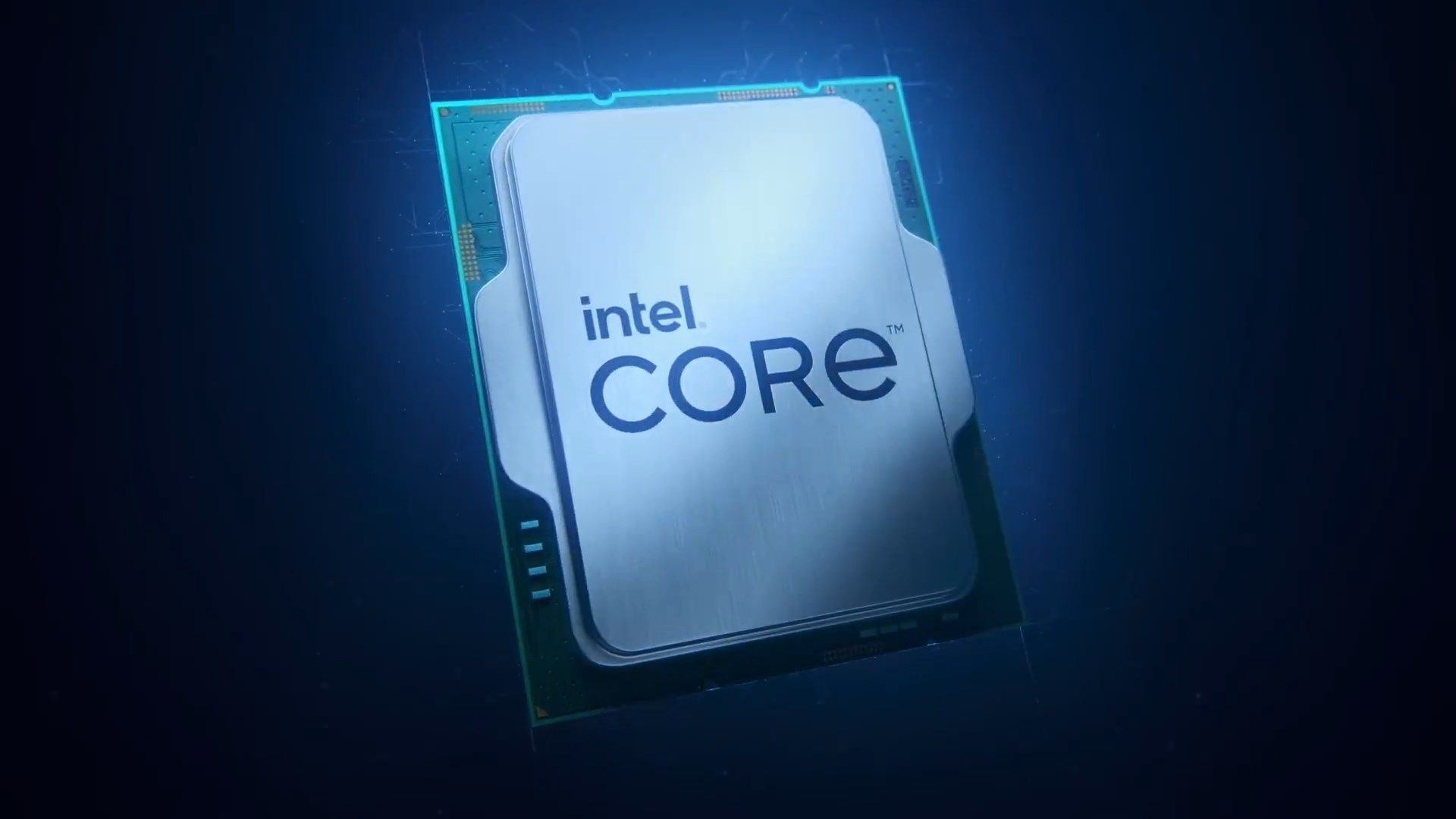
A leaked Geekbench run for Intel's unreleased Core Ultra 9 290K Plus posted a single-core score of 3,535 (≈10.5% above the 285K's 3,200) and a multi-core score of 25,106 (≈11.3% above the 285K), tested on an Asus ROG Strix Z890-E with 64 GB DDR5-6800. The 290K Plus is expected to retain a 24-core (8P+16E) config with 125W PL1 / 250W PL2 limits and modest clock boosts (E-core +200 MHz; P-core turbo and TVB +100 MHz), positioning Arrow Lake Refresh as a modest, drop-in performance upgrade and Intel's final release for LGA 1851 ahead of a rumored March–April launch; however, the figures come from a single run and warrant cautious interpretation.
Winners are Intel (INTC) and downstream PC OEMs able to offer 'drop-in' refresh SKUs (Dell, HPQ), plus DDR5 suppliers (Micron MU) if system upgrades accelerate; losers are incumbents who compete on single-thread marketing (AMD) and niche low-power silicon vendors if Arrow Lake Refresh materially narrows performance gaps. A ~10% synthetic Geekbench uplift suggests modest ASP leverage (estimate 2–5% possible premium) but not an immediate share overthrow — pricing power depends on channel inventory and OEM bundling over the next two quarters.
Tail risks include poor silicon yields, thermal/PL2 throttling in real-world OEM systems, and an aggressive AMD response; regulatory/antitrust moves are low probability but high impact. Time horizons: immediate (days) — elevated implied volatility and headline-driven flows; short-term (weeks–months) — March–April launch, independent benchmarks and channel sell-through; long-term (quarters–years) — sustained market-share and margin effects tied to platform transition cadence.
Trade consequences: favor modest, event-driven exposure to INTC and DDR5 supply chain now, but size contingent on independent reviews; expect options IV to spike into launch — trade defined-risk call spreads rather than naked longs. Cross-asset: Treasury spreads negligible, implied vol for INTC options will rise ~20–40% into launch windows, USD flows minimal, commodity impact limited to incremental DRAM demand (positive for MU/SKHY).
Contrarian view: the market may over-weight a single synthetic benchmark — real-world gains could compress to ≤5% once thermals and platform costs are included, reducing upside. Historical parallels (Intel incremental refreshes 2018–2021) show limited share movement absent architectural leaps; unintended consequences include OEM discounting to clear old inventory and short-term margin erosion if Intel uses price to accelerate adoption.
AI-powered research, real-time alerts, and portfolio analytics for institutional investors.
Request DemoOverall Sentiment
mildly positive
Sentiment Score
0.32
Ticker Sentiment
