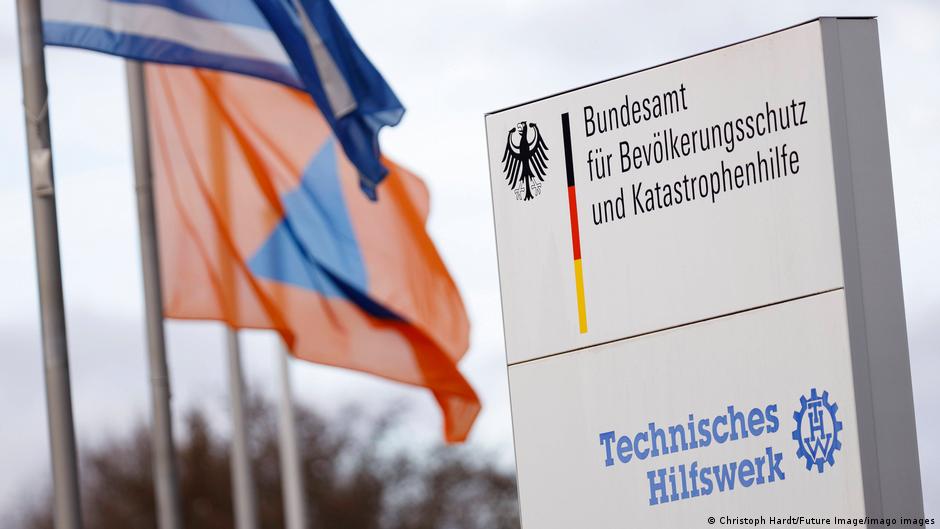
Germany plans a €10 billion civil defense package to be spent through 2029, including 1,000 specialty vehicles, modernization of THW facilities, and expansion of the Medical Task Force across 50+ locations. The move reflects rising hybrid threats and war-related preparedness after Russia's invasion of Ukraine, but it is primarily a public-spending and defense-readiness measure rather than a direct market catalyst. The article also highlights a backlog of bunker and emergency infrastructure investment needs and political debate over the balance between civil protection and military defense.
This is a multi-year fiscal impulse disguised as a security headline: the near-term economic effect is less about the headline size and more about procurement mix, which should front-load demand for transport, comms, shelter retrofit, medical logistics, and command-and-control systems. The biggest second-order beneficiary is likely not pure defense primes, but mid-cap industrials and infrastructure contractors with civil-protection exposure, because Germany is starting from a low base and needs fast delivery rather than bespoke weapon systems. Expect local content requirements and municipal procurement fragmentation to favor incumbents with dense domestic service networks over foreign suppliers. The market is underestimating the budgetary crowd-out risk. A €10B envelope over several years is manageable at the federal level, but if the program becomes a template for broader resilience spending, it competes with housing, transport, and climate capex at a time when German fiscal policy is already under strain. That creates a subtle bullish setup for companies offering dual-use assets — emergency vehicles, modular shelters, backup power, water treatment, and telecom resilience — because they can win both civil-defense and ordinary public-works demand without being labeled “military.” The key catalyst is not the cabinet approval itself but implementation cadence: procurement notices, framework contracts, and the school-curriculum / preparedness messaging that may shift household and municipal spending behavior over the next 6-18 months. The contrarian angle is that the spending may be less inflationary and less defense-accretive than headline readers expect if it gets diluted into buildings, training, and volunteer support. If the political narrative weakens or fiscal hawks force deferral into later budgets, the trade will likely fade quickly in the next 1-2 quarters; if Russia-linked hybrid-threat rhetoric intensifies, the program could expand into a broader resilience bill by 2027.
AI-powered research, real-time alerts, and portfolio analytics for institutional investors.
Request DemoOverall Sentiment
neutral
Sentiment Score
-0.05
Ticker Sentiment
