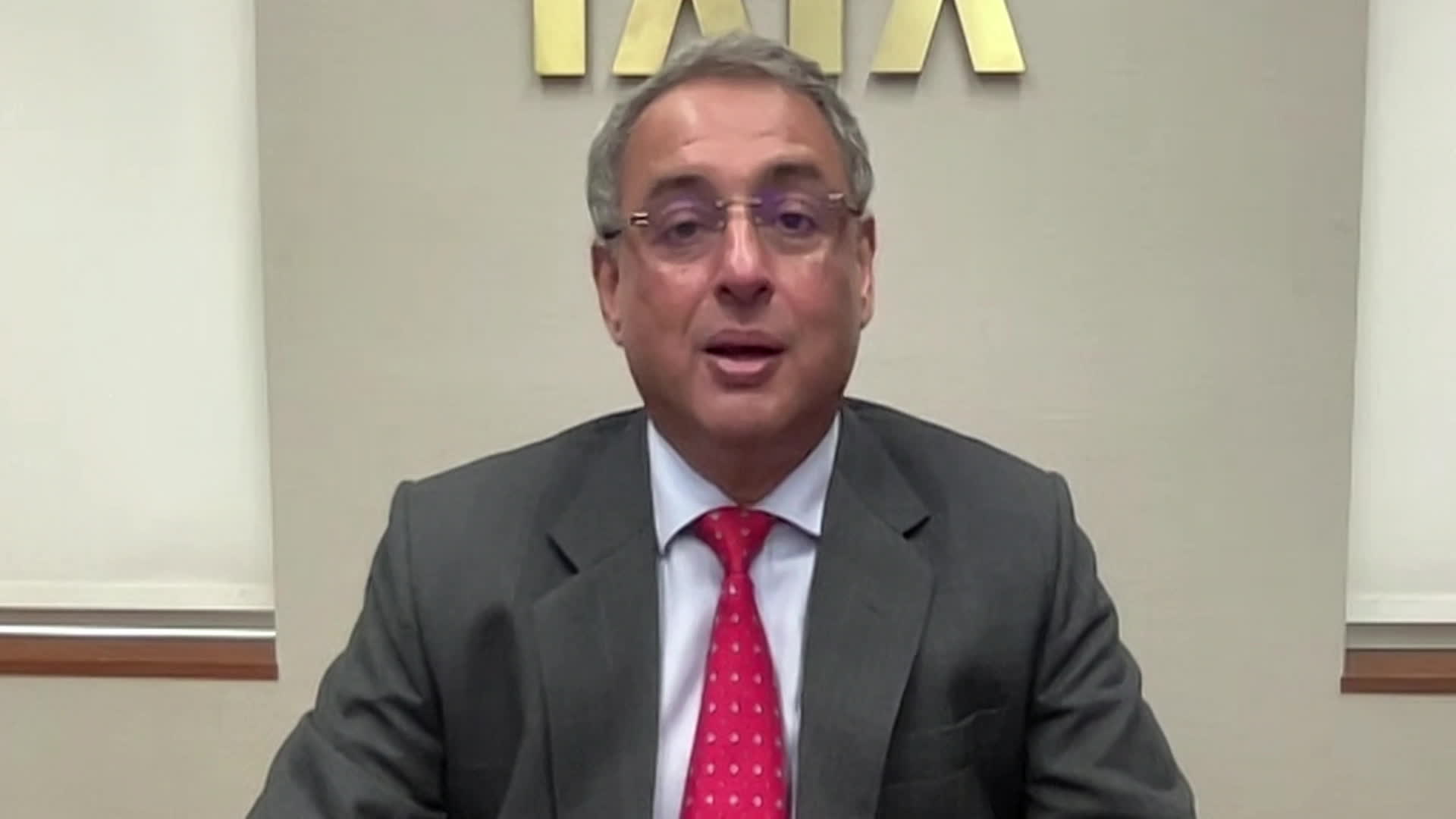
Tata Steel CEO T.V. Narendran announced the company's strategic shift to explore alternative markets, citing increasing tariff risks. In an exclusive Bloomberg interview, Narendran also addressed the broader industry challenges posed by Chinese steel overcapacity and offered his outlook on iron ore prices, indicating a proactive response to global trade dynamics and commodity market volatility.
Tata Steel is signaling a strategic pivot in response to escalating geopolitical and market pressures, as articulated by CEO T.V. Narendran. The company's plan to explore alternative markets is a direct reaction to rising tariff risks, indicating a defensive maneuver to de-risk its revenue streams from protectionist trade policies. This move is further contextualized by the persistent industry-wide headwind of Chinese steel overcapacity, which continues to suppress global prices and margins. The CEO's commentary on iron ore prices underscores the company's focus on managing input cost volatility, a critical profitability driver. The overall tone is one of proactive risk management rather than offensive growth, reflecting a moderately negative operating environment where the company must adapt its supply chain and market strategy to maintain stability.
AI-powered research, real-time alerts, and portfolio analytics for institutional investors.
Request DemoOverall Sentiment
moderately negative
Sentiment Score
-0.50
