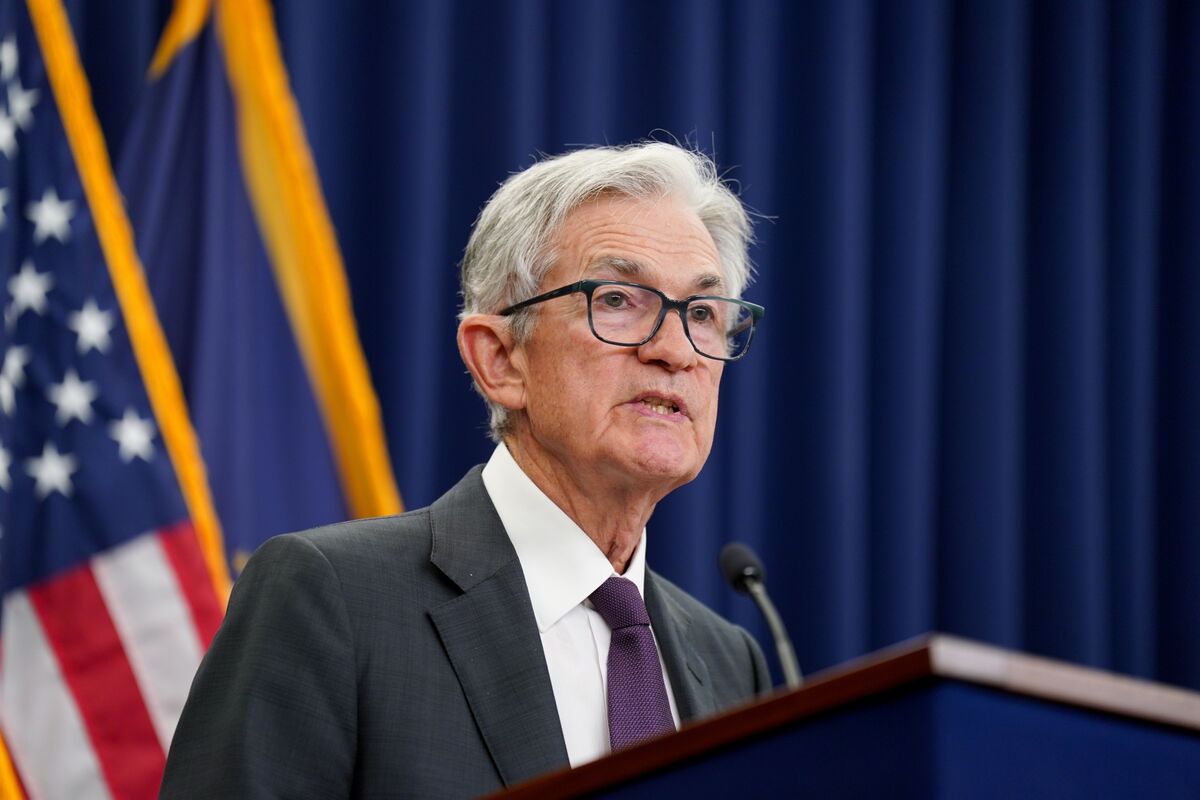
The Federal Reserve faces a significant policy dilemma as recent data indicates a growing risk of stagflation. Surprisingly weak jobs figures suggest a shortfall in maximum employment, while persistent inflation, with core PCE rising 2.8% in June and core CPI projected to hit 3% in July, remains above target and is exacerbated by tariff impacts. This divergence places the Fed's dual mandates of employment and price stability in direct conflict, complicating future monetary policy decisions.
The Federal Reserve is confronting a significant policy dilemma indicative of emerging stagflationary pressures. Recent economic data reveals a direct conflict between the central bank's dual mandates: shockingly weak jobs data signals a failure to achieve maximum employment, while persistent inflation undermines price stability. Specifically, the core Personal Consumption Expenditures (PCE) index, the Fed's preferred inflation gauge, rose 2.8% year-over-year in June, with core Consumer Price Index (CPI) inflation projected to accelerate to 3% in July. These figures are stubbornly above the Fed's target and are reportedly exacerbated by the inflationary effects of tariffs. This divergence creates considerable uncertainty, as monetary policy tools to stimulate employment (e.g., lowering rates) would likely fuel further inflation, while actions to curb inflation (e.g., raising rates) could worsen the employment situation.
AI-powered research, real-time alerts, and portfolio analytics for institutional investors.
Request DemoOverall Sentiment
strongly negative
Sentiment Score
-0.75
