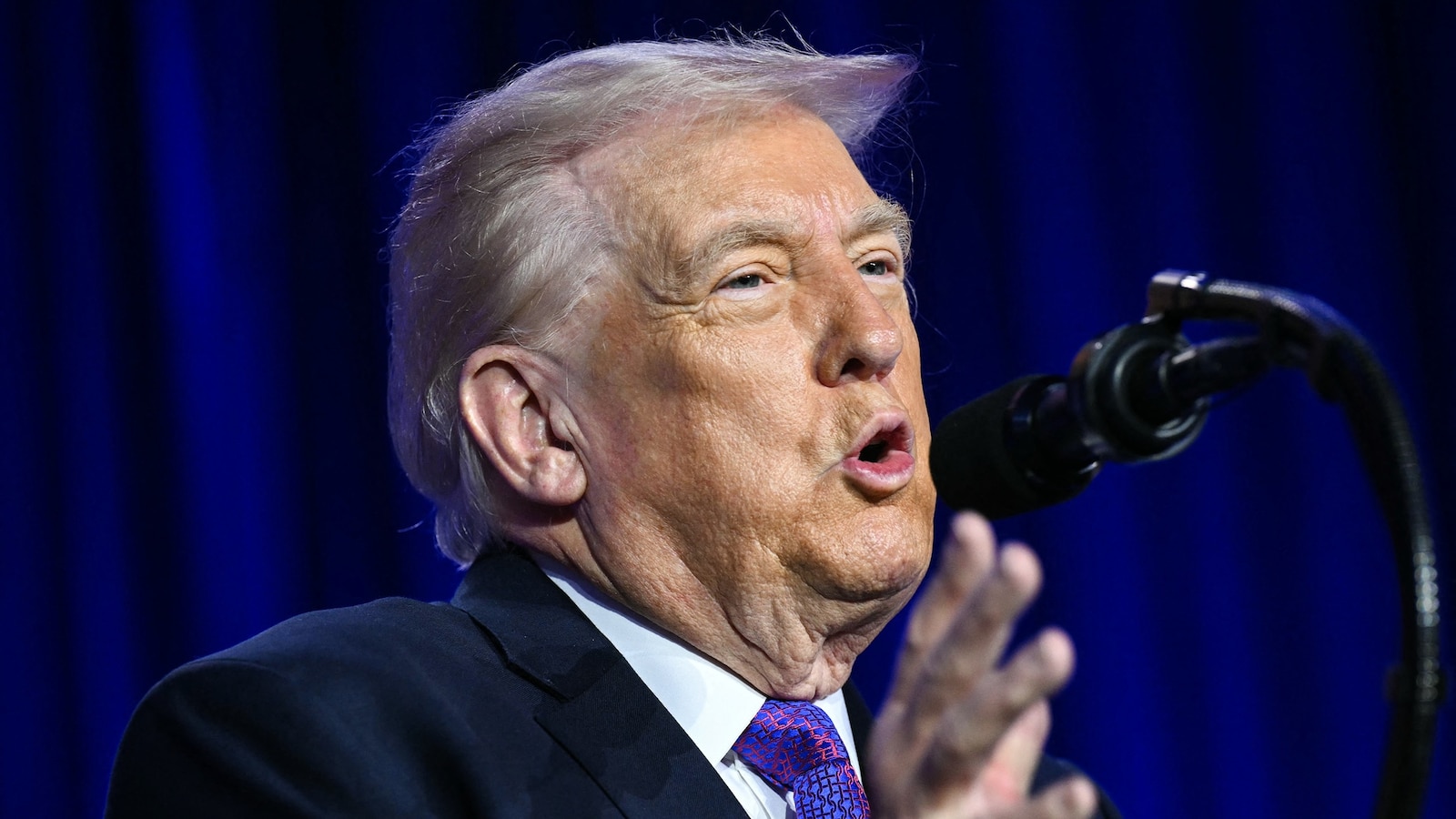
President Trump shifted explanations for why DNI Tulsi Gabbard attended an FBI search of the Fulton County elections office, saying Attorney General Pam Bondi "insisted" she oversee the Jan. 28 raid that removed roughly 700 boxes of 2020 election material; Gabbard and ODNI maintain her presence was requested by the President and executed under her statutory election-security authority. Democrats on intelligence committees have raised constitutional and oversight concerns, and the episode has drawn scrutiny over ODNI's counterintelligence remit and potential politicization of domestic law enforcement. For investors this raises political and legal-risk noise — particularly for firms exposed to election-policy uncertainty or federal regulatory scrutiny — but the story is unlikely to directly move markets absent escalation into broader prosecutions, sanctions, or substantive policy changes.
Market structure: This is primarily a political/credibility shock with asymmetric winners — cybersecurity and counterintelligence contractors (Palo Alto Networks PANW, CrowdStrike CRWD, Fortinet FTNT, L3Harris LHX) stand to capture incremental state/federal election‑security budgets over 6–24 months, while ODNI/DOJ reputational risk and small, specialized election‑tech vendors face procurement delays and scrutiny. Pricing power shifts toward large, certified vendors with Fed/state GSA/SEWP footprints; expect contract wins concentrated in top 5 vendors, not broad-based small‑cap gains.
Risk assessment: Tail risks include constitutional or legal escalation (Congressional subpoenas/hearings → 1–5% headline-driven equity drawdowns; extreme political crisis → 5–10% market move). Immediate (days): headline volatility; short (weeks–months): hearing cadence and appropriations language; long (quarters): actual budget allocations and multi‑year procurement cycles. Hidden dependencies: procurement lead times (6–18 months), certification requirements (FedRAMP, FISMA) and political control of appropriations committees.
Trade implications: Tactical overweight large cyber defenders (PANW, CRWD) and one defense prime (LHX) with small size (1–2% each) and tight stop losses; hedge headline risk with 1% TLT and tactical VXX or short‑dated VIX calls sized 0.5–1% for 1–2 month windows around hearings. Use 6–12 month call spreads on PANW/CRWD to pay for hedges and avoid buying small‑cap election vendors which may face contract freezes.
Contrarian angles: The market may overpay small‑cap “election security” names; the durable winners are certified large vendors — consensus underestimates procurement friction and certification timelines, which can delay revenue recognition by 6–18 months. Historical parallels (2016 controversies) show limited long‑term equity impact; size positions small and use event triggers (hearing schedules, appropriation line items) to scale in/out.
AI-powered research, real-time alerts, and portfolio analytics for institutional investors.
Request DemoOverall Sentiment
neutral
Sentiment Score
0.00
