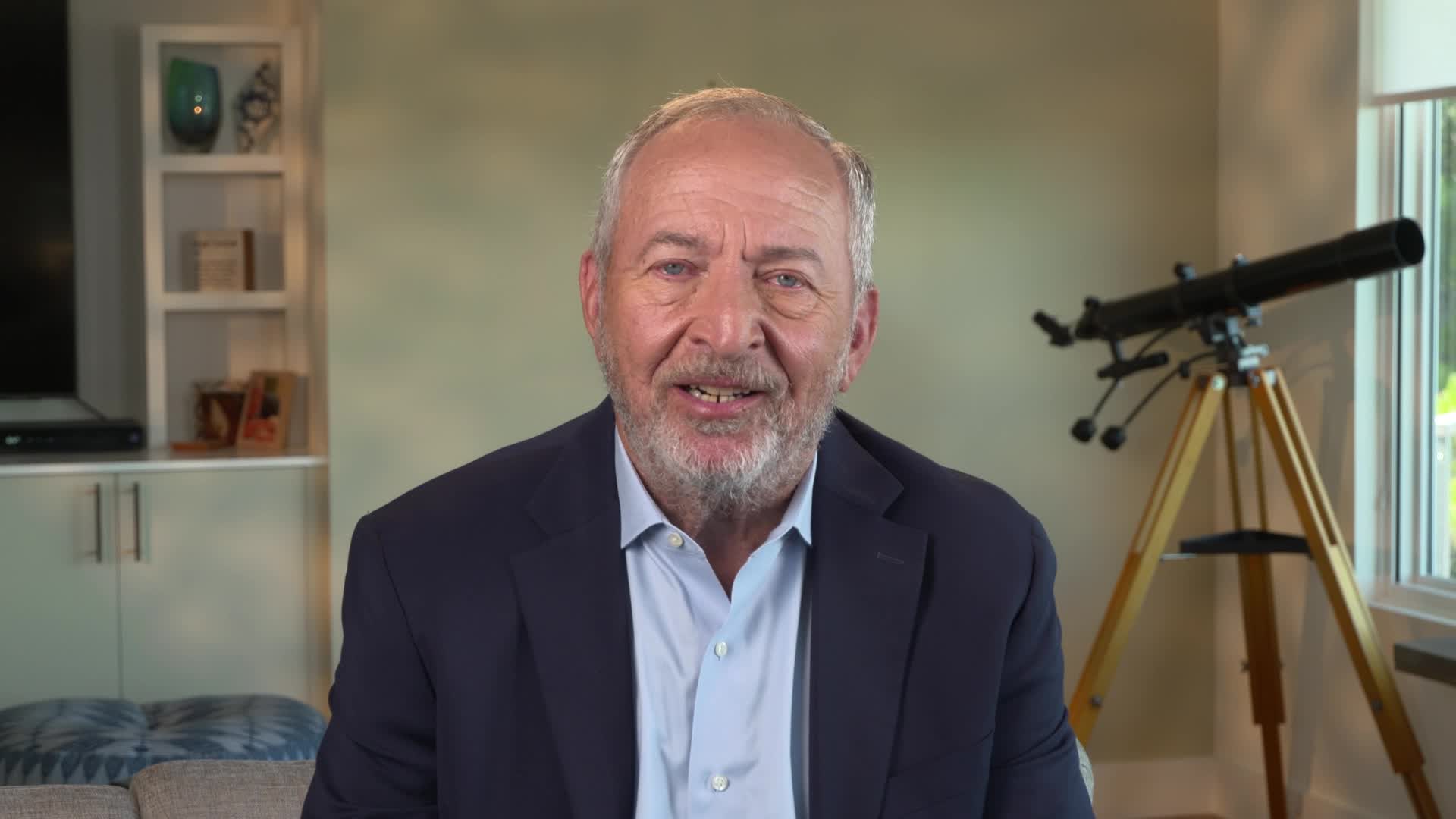
Larry Summers has publicly supported Rebecca Bessent's questioning of the Federal Reserve's perceived 'overreach,' indicating a notable alignment among prominent economic figures on scrutinizing the central bank's policy scope. This backing by Summers lends significant weight to arguments for increased scrutiny of Fed actions, potentially influencing future monetary policy discussions and market expectations regarding central bank independence.
The public backing of Rebecca Bessent's critique of the Federal Reserve by former Treasury Secretary Larry Summers signals a significant convergence of influential opinion questioning the central bank's policy scope. This development lends substantial credibility to concerns about potential 'overreach' beyond the Fed's traditional mandate, introducing a new layer of political and intellectual scrutiny. The moderately negative sentiment and uncertain tone highlight that this alignment could foster greater unpredictability in future monetary policy discussions. As the debate touches on central bank independence and the proper scope of its actions, it has the potential to influence market expectations regarding the future path of interest rates and the Fed's reaction function to economic data.
AI-powered research, real-time alerts, and portfolio analytics for institutional investors.
Request DemoOverall Sentiment
moderately negative
Sentiment Score
-0.40
