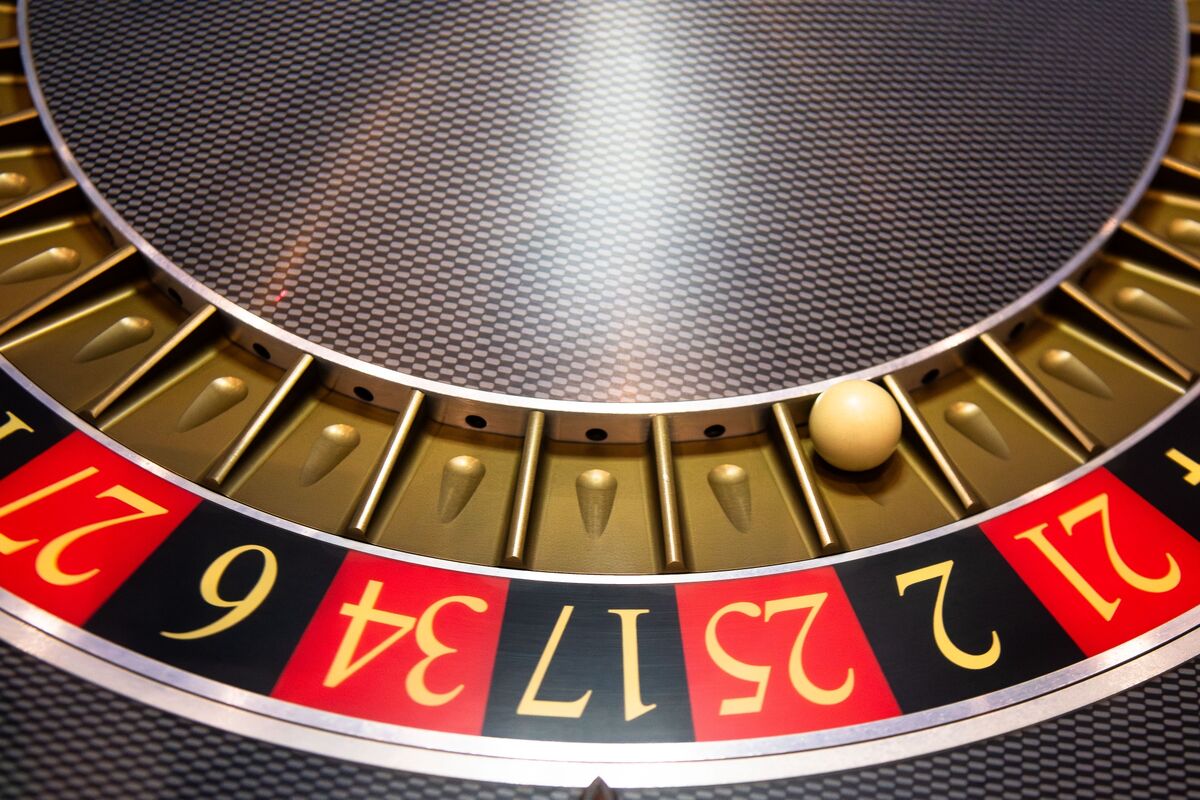
The Senate GOP's proposed tax bill includes a provision that would limit gambling loss deductions to 90% of winnings, a significant reduction from the current 100%. This change is projected to generate $1.1 billion in new tax revenue and has raised concerns among gamblers that it could lead to income tax being levied on break-even or net loss scenarios, effectively reducing their overall net winnings.
A provision within the Senate GOP's proposed tax legislation introduces a significant change to the tax treatment of gambling activities, which is projected to increase federal revenue by $1.1 billion. The bill seeks to cap the deductibility of gambling losses at 90%, a material reduction from the current law that permits a 100% deduction up to the amount of total winnings. The primary implication of this change is a potential erosion of net returns for gamblers. Critically, this could create scenarios where individuals are liable for income tax even if they only break even or incur a net financial loss from their gambling activities, fundamentally altering the risk-reward calculation for participants. While the article does not name specific companies, this legislative proposal represents a direct headwind for the profitability of professional and amateur gamblers.
AI-powered research, real-time alerts, and portfolio analytics for institutional investors.
Request DemoOverall Sentiment
moderately negative
Sentiment Score
-0.50
