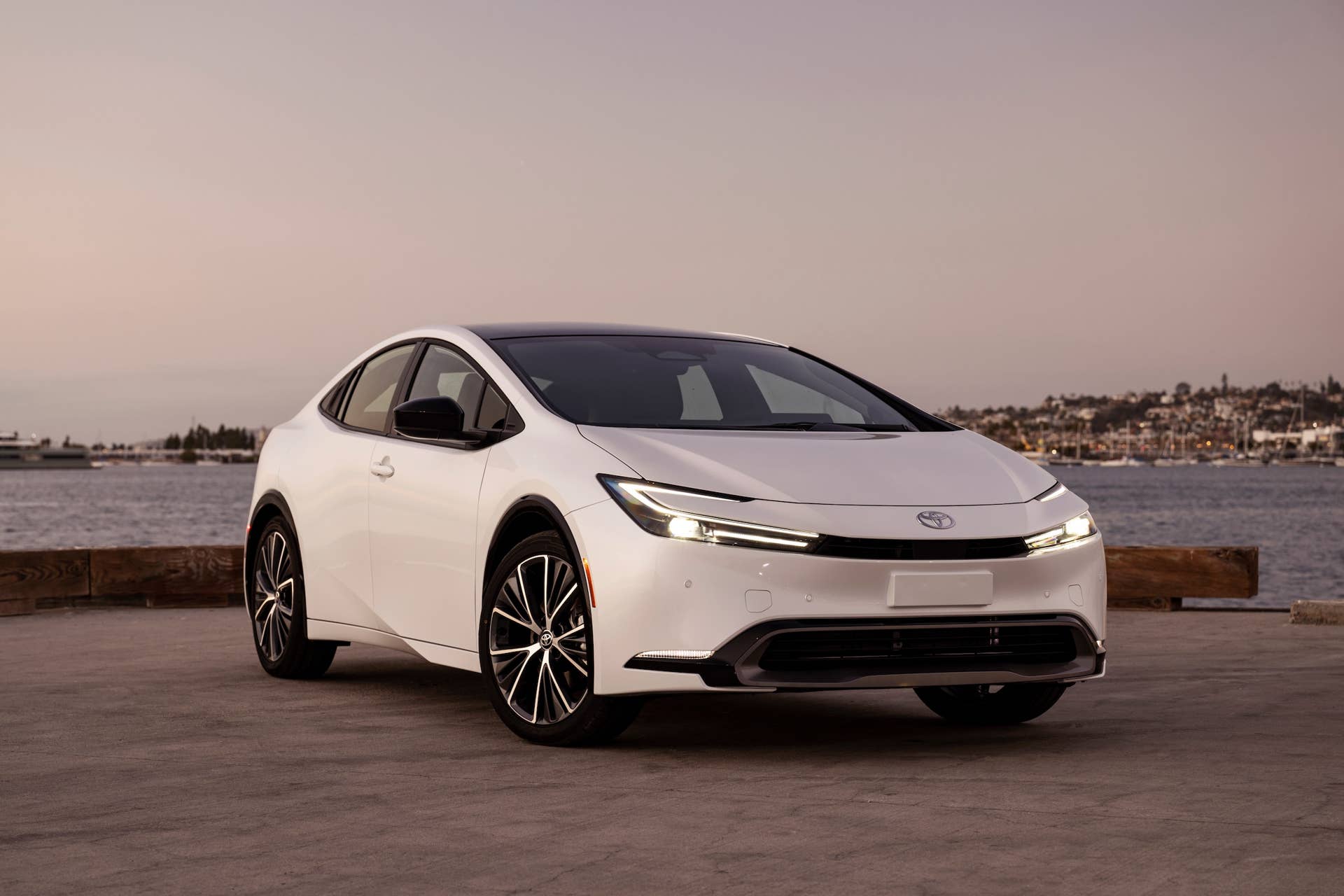
Toyota is publicly challenging rival automakers for misrepresenting 48-volt mild-hybrid systems as full hybrids, arguing this misleads consumers regarding electric-only capabilities and fuel efficiency. The company, a long-standing leader in hybrid technology, emphasizes that true hybrids possess dedicated electric motors for independent electric driving, unlike the marginal benefits of mild-hybrids. This stance underscores potential risks of misleading 'green' marketing claims, which could impact consumer trust, competitive dynamics, and potentially lead to increased regulatory scrutiny over vehicle electrification terminology.
Toyota calls out automakers for marketing mild-hybrids as full hybrids - Toyota says 48V systems should not be labeled as “hybrid drive” - Explains the key differences between mild, full, and plug-in hybrid systems - Toyota promises to keep hybrid terminology transparent across its lineup Toyota says the word hybrid is being thrown around far too loosely. With nearly every automaker rushing to electrify, the brand believes many customers are being misled into thinking mild-hybrid systems offer the same benefits as a full hybrid. And if you think those two are the same thing, you’ve fallen for marketing lingo. Drawing the Line Between Hybrid and “Hybrid-ish” Toyota Australia’s Vice President of Sales and Marketing, Sean Hanley, has made the company’s stance crystal clear, when speaking with Australian media. He argues that rival brands are confusing customers by marketing 48-volt assist systems as hybrids, even though they can’t operate on electric power alone. A true hybrid, Toyota explains, has a dedicated electric motor and a battery large enough to drive the car independently. Mild-hybrids, on the other hand, only use a small 48-volt system to help with starts and acceleration, offering marginal fuel savings. Despite that, several automakers continue to promote them as full hybrids, claiming improved efficiency that Toyota says is often exaggerated. Hybrid, Mild-Hybrid, and Plug-In Hybrid: What’s the Difference? All cars use a small electric system, usually powered by a 12-volt battery. Hybrids, however, use far more power. To clear the air, here’s how the three main electrified systems differ: - Mild-hybrid (MHEV): Uses a small 48-volt battery to support the engine but cannot run on electric power alone. Slightly smoother, slightly more efficient – that’s about it. - Hybrid (HEV): Features both an engine and an electric motor that can drive the car independently or together. Examples include the Toyota Prius and RAV4 Hybrid. - Plug-in hybrid (PHEV): Includes a much larger battery that can be charged externally and delivers a greater electric-only range before the engine kicks in. Examples include the Toyota Prius Prime and RAV4 Prime. Interestingly, Toyota’s next big move might see the gargantuan Land Cruiser adopting plug-in hybrid technology. Toyota’s Future: Honesty When asked to define what truly qualifies as a hybrid, Hanley didn’t hold back: “We don’t count 48-volt as a hybrid system. They’re not hybrids, not remotely.” Toyota wants to make sure buyers know exactly what level of electrification they’re getting. In Australia, models like the HiLux and Land Cruiser Prado that use the 48-volt setup wear the “V Active” badge instead of the hybrid nameplate. And while the debate over hybrid terminology might sound like semantics, it ultimately comes down to honesty. Because at the end of the day, not every so-called “hybrid” has earned the title. About the author Marnus Moolman News Editor, Autoblog Toyota (TM) is executing a strategic communications initiative to differentiate its full-hybrid technology from the 48-volt mild-hybrid systems being marketed by competitors. By publicly stating that 48V systems are "not hybrids, not remotely," the company is leveraging its long-standing leadership in the hybrid space to challenge what it frames as misleading marketing language that dilutes the value of the term. This move aims to protect its brand equity, particularly for flagship models like the Prius and RAV4 Hybrid, which can operate on electric power alone, unlike mild-hybrids that only provide engine assistance. The company is reinforcing this stance with its own branding, using the "V Active" label for its 48V-equipped models in Australia to ensure transparency. The strong positive sentiment score for TM (0.7) indicates that the market perceives this as a confident move to assert its technological authority and protect its competitive moat against the proliferation of 'greenwashing' claims in the increasingly crowded electrified vehicle market.
AI-powered research, real-time alerts, and portfolio analytics for institutional investors.
Request DemoOverall Sentiment
moderately positive
Sentiment Score
0.40
Ticker Sentiment
