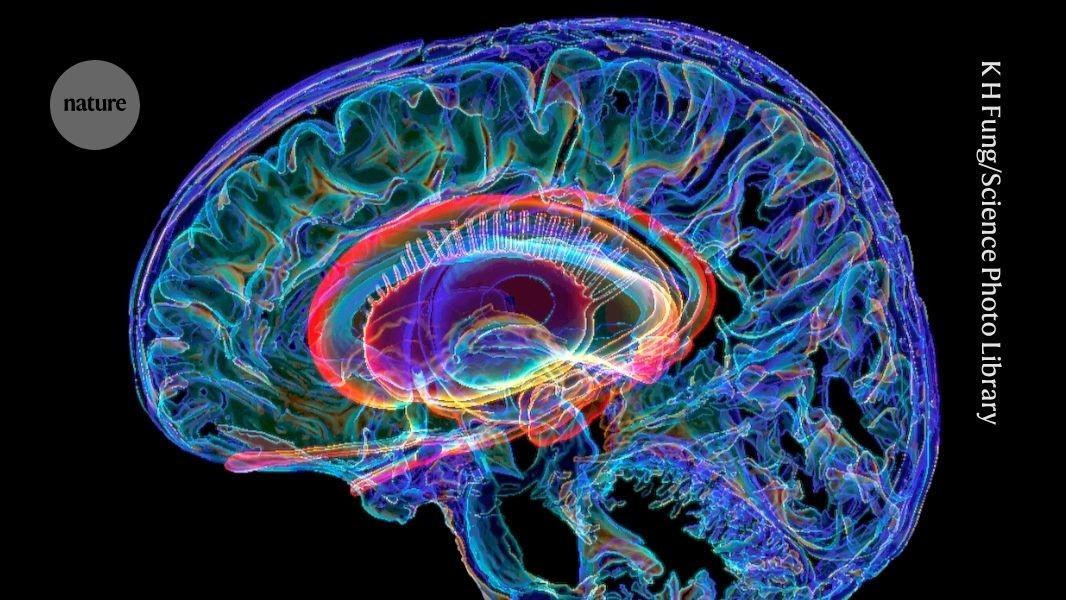
11 brain‑imaging studies combining more than 500 scans from 267 participants identified a common 'signature' brain‑activity pattern across five psychedelics (psilocybin, LSD, mescaline, DMT and ayahuasca). The analysis found increased cross‑talk between high‑level cognitive networks and sensory/motor and subcortical circuits in drugged participants. Authors say this reproducible pattern could inform future drug design for depression, anxiety and addiction, but the evidence is early and primarily neuroscientific rather than clinical.
The discovery of a common functional-connectivity signature across chemically diverse psychedelics shifts the investment frame from “compound-specific magic” to “network-modulation platform.” That favours developers who can operationalize a biomarker-driven path to approval (standardized fMRI endpoints, dosing algorithms, adjunct psychotherapeutic protocols) and penalizes pure-play single-mechanism stories whose valuation relies on literary claims about unique receptor action. Expect a two-track market: platform integrators and analytics/IP owners will command multiples while isolated molecule stories face margin compression.
A reproducible imaging signature is a potential surrogate endpoint that shortens and derisks trials — an outsized positive for CROs, imaging-service providers, and AI/compute vendors that can commercialize fast, automated analyses. This creates durable secular demand for GPUs, cloud compute, and standardized imaging stacks (benefiting NVDA, select cloud providers, and radiology vendors), and increases capex needs for clinic chains that deliver controlled psychedelic-assisted therapy (favoring well-capitalized clinic operators over asset-light retreat models). Supply-chain secondaries: synthetic manufacturing scale (for DMT/psilocin analogs) will matter more than botanical supply lines.
Key risks and catalysts: regulatory acceptance of an imaging surrogate (binary, 12–36 months) and reproducibility across larger, real-world cohorts are the biggest de-riskers; failure here reverses the narrative. Social/political backlash or adverse safety signals in larger populations pose low-probability, high-impact downside; conversely, a published FDA guidance endorsing imaging endpoints would be a strong multi-bagger catalyst.
Contrarian read: the “common signature” could compress differentiation and accelerate consolidation — not because therapies fail but because IP/label differentiation is harder to defend. Alternatively, the signature may primarily reflect non-specific state effects (set/setting, sensory stimulation) rather than therapeutic mechanism, meaning early biomarker-driven approvals could be premature and later reversed when linked to clinical outcomes.
AI-powered research, real-time alerts, and portfolio analytics for institutional investors.
Request DemoOverall Sentiment
neutral
Sentiment Score
0.05
