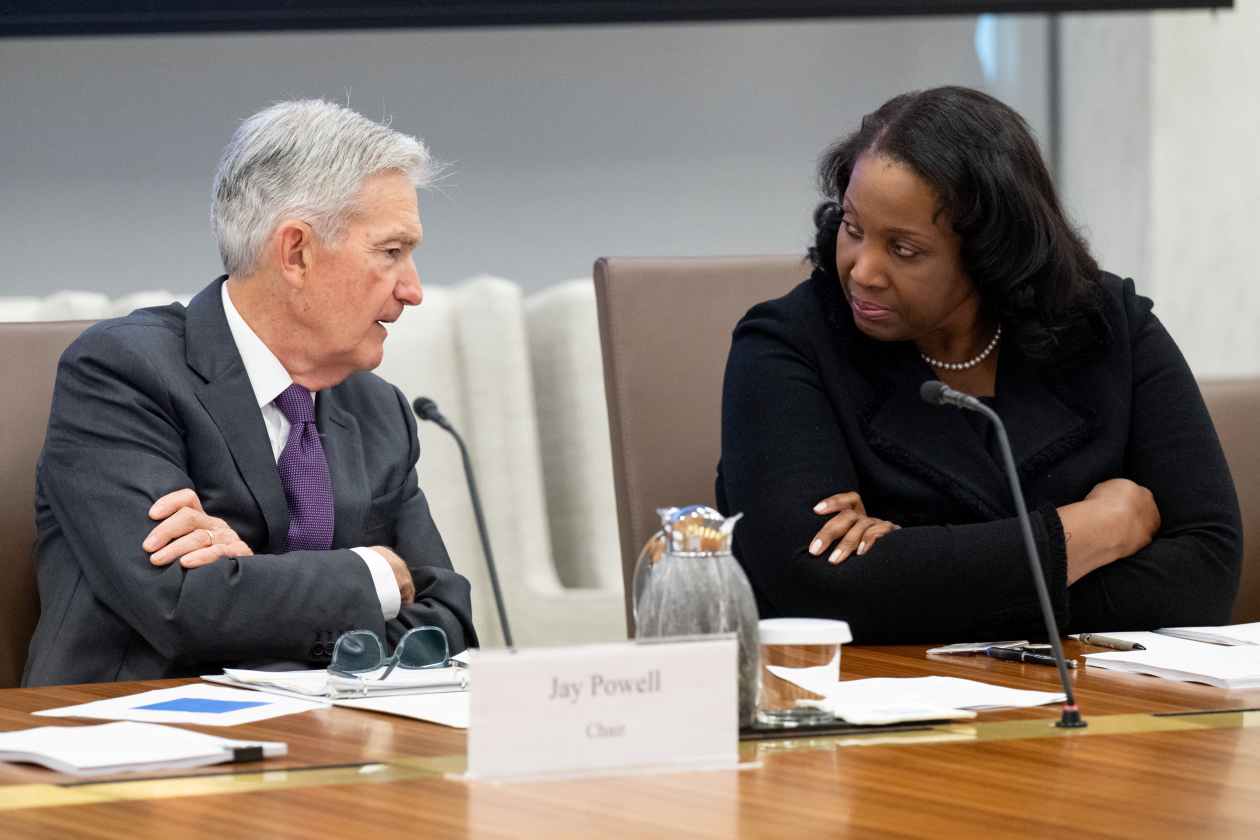
Stephen Miran, a recent Trump appointee to the Federal Reserve, is advocating for aggressive interest rate cuts, including a half-point dissent on September 17 and a projected 2.75%-3% federal-funds rate by 2025. This stance is out of consensus with other Fed officials who anticipate 2.6% inflation next year with upside risks, underscoring potential internal divisions and presidential influence on monetary policy amidst conflicting views on economic conditions.
A significant policy divergence is emerging within the Federal Reserve, centered on recent appointee Stephen Miran's aggressive dovish stance. Miran's dissent in favor of a 50-basis-point cut on September 17, against the executed 25-basis-point reduction, signals a clear break from the committee's consensus. More critically, his call for an additional 1.25 percentage points of cuts in 2025 to bring the federal-funds rate to a 2.75%-3.00% range directly conflicts with the majority of Fed officials, who project 2.6% inflation next year with risks weighted to the upside. This internal friction, highlighted by the appointee's connection to President Trump, introduces considerable uncertainty into the future path of monetary policy and elevates the risk of political influence over the central bank's decision-making process, especially with the article noting the potential for a divided Congress to cede power to the president.
AI-powered research, real-time alerts, and portfolio analytics for institutional investors.
Request DemoOverall Sentiment
mixed
Sentiment Score
-0.25
