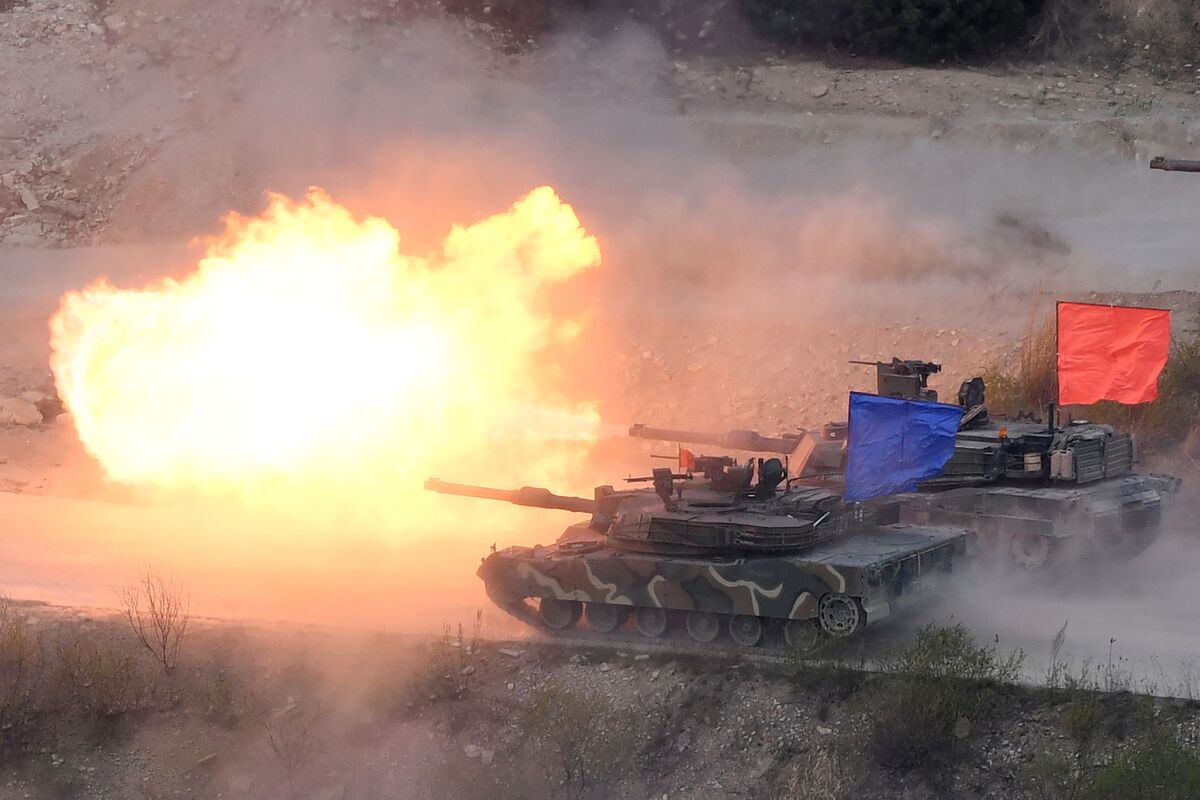
President Trump is pressuring South Korea to significantly increase its financial contributions to its own defense, a demand explicitly linked to ongoing trade negotiations and the potential imposition of 25% tariffs on South Korean shipments to the US. This action underscores the administration's broader strategy to rebalance defense cost-sharing with allies, signaling potential shifts in bilateral economic and security dynamics.
President Trump has publicly intensified pressure on South Korea to increase its financial contributions for its own defense, explicitly linking the demand to ongoing trade negotiations. This action is underscored by the threat of a 25% blanket tariff on South Korean shipments to the US, although a recent letter has extended the negotiation period, creating a critical but uncertain window for resolution. The President's justification, stated during a Cabinet meeting, is that South Korea's economic success warrants a greater financial commitment to its military. This direct fusion of security burden-sharing with trade policy introduces significant geopolitical and economic risk into the bilateral relationship, a dynamic captured by the moderately negative sentiment score. The outcome will be a key determinant for future trade flows and regional security stability.
AI-powered research, real-time alerts, and portfolio analytics for institutional investors.
Request DemoOverall Sentiment
moderately negative
Sentiment Score
-0.55
