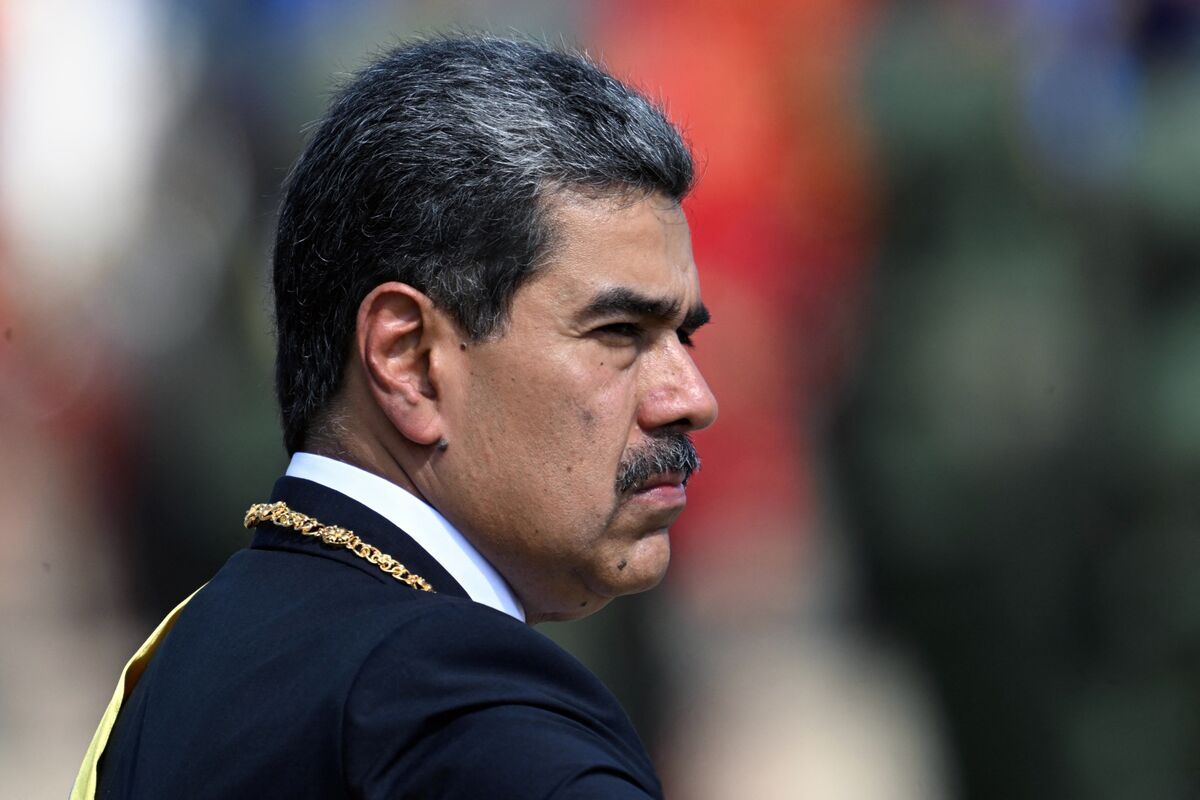
Venezuela's ruling socialist party, led by President Nicolás Maduro, secured a dominant victory in Sunday's local elections, claiming 285 out of 335 mayoral races. This outcome significantly solidifies the party's grip on power, further entrenching one-party rule within the nation and deepening its centralized political landscape.
The ruling socialist party in Venezuela has significantly consolidated its political power by securing 285 out of 335 mayorships in recent local elections. This outcome, as stated by President Nicolás Maduro, effectively cements a one-party rule structure, a development reflected in the strongly negative sentiment signal (-0.6). For investors, this event deepens the country's political risk profile by entrenching a regime associated with economic instability and anti-market policies. The low market impact score (0.25) suggests that while the news is adverse for Venezuela's outlook, the global financial markets have largely priced in the country's political and economic distress, viewing this as a continuation of an existing trend rather than a new systemic shock. The lack of final, certified results, with only 82.5% of votes counted at the time of the initial bulletin, introduces a minor element of uncertainty, though the declared margin of victory is substantial.
AI-powered research, real-time alerts, and portfolio analytics for institutional investors.
Request DemoOverall Sentiment
strongly negative
Sentiment Score
-0.60
