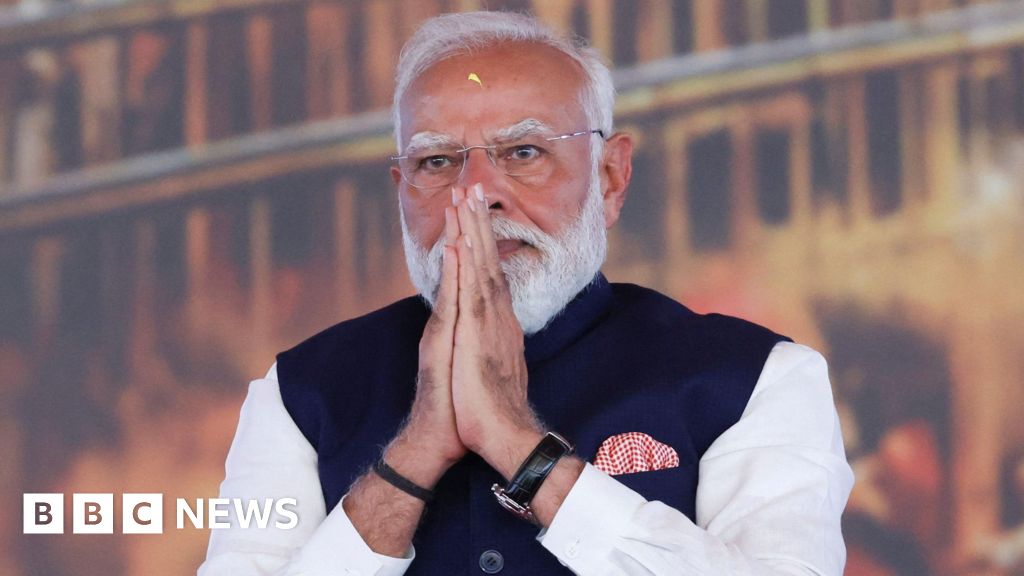
India is facing a multi-billion dollar surge in its crude import bill as the Iran war and shutdown of the Strait of Hormuz continue to squeeze global energy supplies. Prime Minister Modi urged households to work from home, cut foreign travel, carpool, and reduce fertilizer use, underscoring pressure on fuel, foreign exchange, and inflation. The news hit Indian markets, with the Sensex falling more than 1,000 points in early trade, while the rupee hit record lows and broader economic strain is building.
This is not just a macro demand scare; it is a policy signal that India is moving from price absorption to behavior suppression. That matters because India is the marginal swing importer for refined products and a key buyer of middle distillates, so even modest demand elasticity can propagate into weaker Asian crack spreads, lower tanker utilization, and a delayed pass-through of higher crude into domestic inflation. The first-order loser is the Indian consumption complex, but the second-order loser is any asset that depended on India’s earlier assumption of stable fuel subsidies and resilient real income.
The bigger medium-term risk is that the FX channel becomes self-reinforcing. A weaker rupee raises imported energy costs, which widens the current account, which further pressures the currency; that loop can force either higher pump prices or tighter fiscal restraint within weeks to months. If the government does eventually allow retail fuel repricing, the inflation impulse hits autos, consumer durables, logistics, and discretionary retail simultaneously, while rural sentiment can deteriorate if fertilizer rationing is sustained into the next crop cycle.
Markets are probably underpricing duration risk rather than headline risk. The near-term impulse is already visible, but the more tradable move is a multi-month de-rating in sectors with high energy pass-through and weak pricing power, while exporters and hard-currency earners gain an incremental edge from currency weakness. The contrarian angle is that austerity itself can partially cap demand destruction, which may limit the upside in global oil and keep this as an equities/FX shock more than a commodities super-spike unless the Strait disruption worsens materially.
AI-powered research, real-time alerts, and portfolio analytics for institutional investors.
Request DemoOverall Sentiment
strongly negative
Sentiment Score
-0.55
