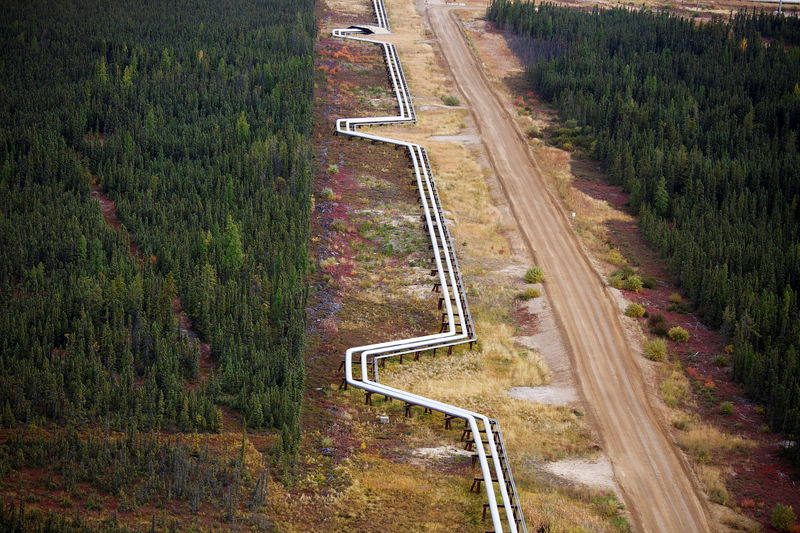
The East-West pipeline is now operating at full capacity of about 7 million barrels per day, redirecting roughly 5 million bpd of crude exports via Yanbu plus an additional 700k–900k bpd of refined products, with ~2 million bpd used domestically. The ramp-up partially offsets disruption from the near-closure of the Strait of Hormuz (previously handling ~15 million bpd) and has materially mitigated upside pressure on oil prices, representing a sector-level supply stabilization for global energy markets.
The market move is less about crude volume per se and more about re-routing friction: longer voyages and changed load/ discharge patterns are creating a multi-week supply-chain drag that amplifies tanker scarcity and creates staggered delivery windows for refiners. Historically, similar reroutings have pushed VLCC/AFRAMAX time-charter rates up 20–60% inside 1–3 months while creating lumpy product tanker demand that tightens gasoline/diesel cracks regionally. Traders who capture voyage-duration arbitrage and storage optionality (shorter load windows → higher waiting-time optionality) will see outsized payoffs versus pure upstream exposure.
Refiners with flexible intake and nearby storage (Mediterranean, Western Europe, and select Asian independents) stand to pick up margin on the margin of arrival-timing volatility: incremental product outflows favor owners that can buy spot cargoes with short notice and push runs into higher seasonal cracks over the next 3–6 months. Conversely, ports, lightering services, and spot charter brokers shoulder near-term congestion and insurance-cost pass-throughs; firms exposed to war-risk premium resets could see swing P&L within days.
Key tail risks are abrupt geopolitical reversals or land-based sabotage targeting onshore infrastructure — either would re-create acute short squeezes in freight and prompt spikes in nearby-month Brent within 48–72 hours. The normalization pathway is political/corridor security (escorts, protected lanes): if implemented, freight dislocations typically compress in 4–8 weeks, reversing much of the near-term upside in shipping equities.
Given the asymmetric timing (weeks for freight, months for refining/cash-flows), prioritize liquid tactical exposures to freight and calendar spreads while keeping fundamental refinery/merchant allocations sized for a 3–6 month horizon and hedged against a rapid de-escalation scenario.
AI-powered research, real-time alerts, and portfolio analytics for institutional investors.
Request DemoOverall Sentiment
neutral
Sentiment Score
0.00
Ticker Sentiment
