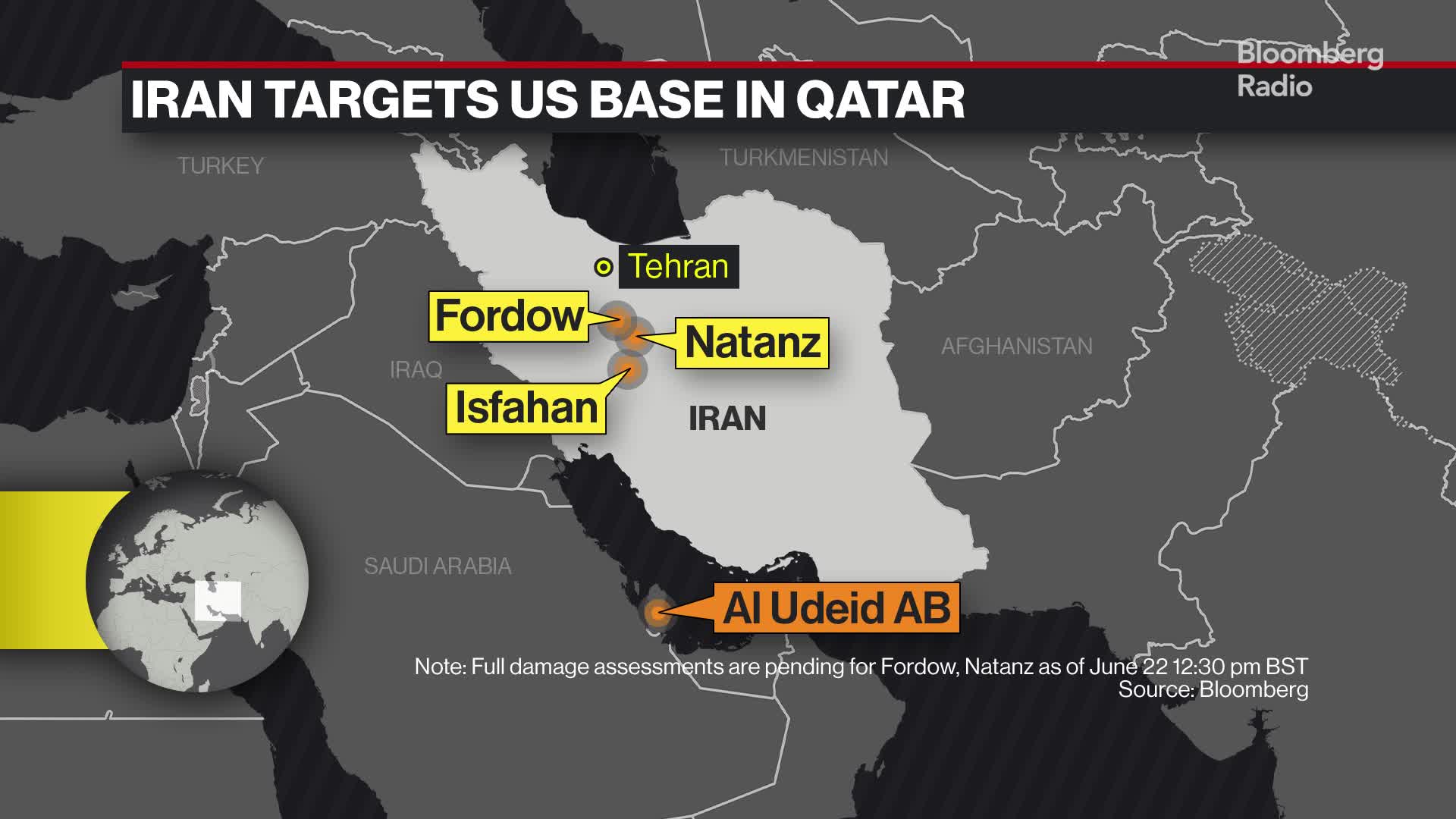
Israel has accused Iran of breaching a US-brokered ceasefire, detecting missile launches hours after President Trump declared a truce to end a 12-day conflict. While Iran's state-run IRIB news agency denies the reports, Israel's defense minister has ordered a forceful military response, including potential strikes against targets in Tehran. This immediate breach threatens to reignite regional hostilities, despite Prime Minister Netanyahu previously confirming Israel's agreement to the truce and achievement of its war goals.
The US-brokered ceasefire between Israel and Iran is under immediate and severe threat, introducing significant geopolitical uncertainty and market risk. Israel has accused Iran of violating the truce just hours after it was declared, citing detected missile launches. This claim is directly contradicted by Iran's state-run media, creating an information vacuum and a highly volatile situation. The critical development is the directive from Israel's defense minister for a "forceful" military response, explicitly including strikes against targets in Tehran. This planned retaliation suggests a rapid escalation is not only possible but likely, potentially nullifying the truce intended to end a 12-day conflict. The high market impact score of 0.8 and strongly negative sentiment reflect the market's pricing of a renewed, and possibly wider, conflict, which overshadows Prime Minister Netanyahu's earlier declaration that Israel's war goals had been met.
AI-powered research, real-time alerts, and portfolio analytics for institutional investors.
Request DemoOverall Sentiment
strongly negative
Sentiment Score
-0.70
