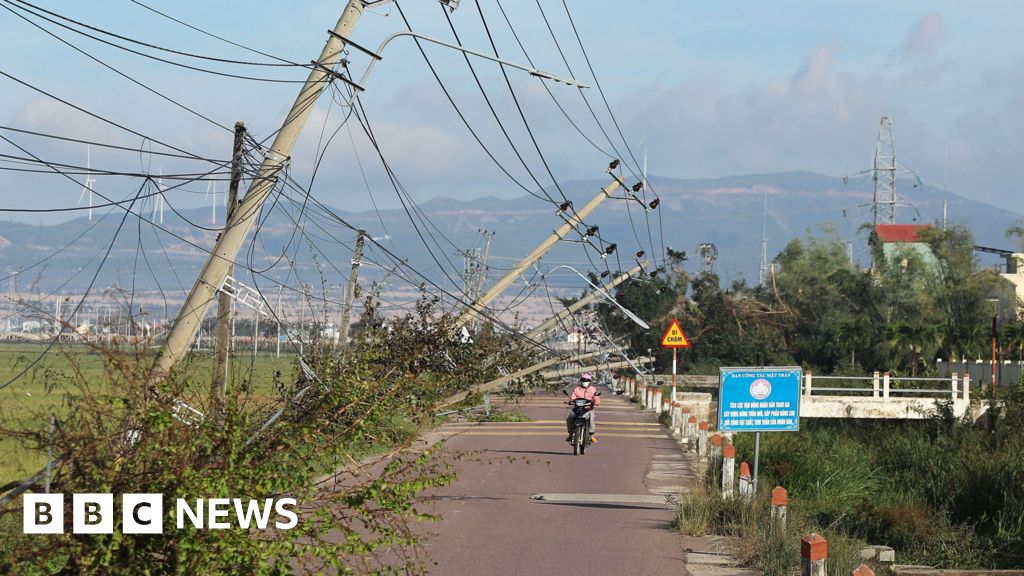
Typhoon Kalmaegi has caused severe devastation across the Philippines and Vietnam, resulting in at least 193 fatalities and 135 missing persons, alongside widespread destruction of homes and infrastructure. The Philippines declared a state of calamity, while Vietnam deployed significant military resources for relief efforts as the storm weakened and moved towards Cambodia and Laos. This event highlights significant regional humanitarian and logistical challenges, with another typhoon reportedly forming in the Pacific.
Typhoon Kalmaegi has inflicted severe humanitarian and infrastructural damage across the Philippines and Vietnam, resulting in at least 193 fatalities and 135 individuals missing. The storm caused widespread destruction, including uprooted trees, torn roofs, and collapsed homes, particularly devastating poorer neighborhoods and impacting key areas like the tourist hotspot of Cebu.
Both affected nations have initiated significant emergency responses; the Philippines declared a state of calamity and emergency, while Vietnam deployed over 260,000 military personnel and assets for relief efforts, evacuating hundreds of thousands. This large-scale mobilization underscores the extensive disruption to daily life and critical infrastructure, including temporary closures of airports and expressways.
The extensive damage necessitates substantial rebuilding efforts and will likely impact local economies, particularly in sectors such as tourism and agriculture, though specific financial figures are not provided. The market impact score of 0.3 suggests a localized rather than systemic financial market effect. Furthermore, the reported formation of another typhoon in the Pacific indicates persistent weather-related risks for the region.
AI-powered research, real-time alerts, and portfolio analytics for institutional investors.
Request DemoOverall Sentiment
extremely negative
Sentiment Score
-0.90
