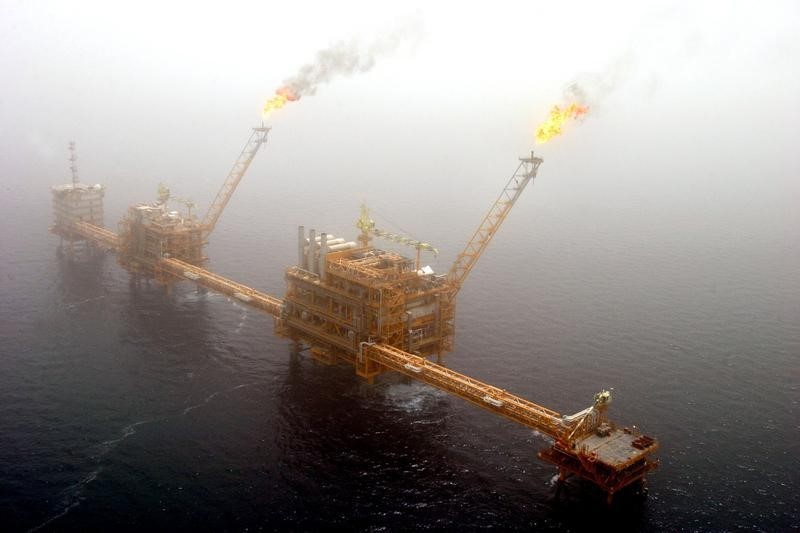
Brent traded at $102.43/bbl and WTI at $94.14/bbl (down ~1% and ~1.2% intraday) after API data showed an unexpected 6.6m barrel U.S. inventory build. Despite the pullback, crude remains up over 40% since late-February on Iran-related supply disruption, and OCBC expects oil to stay above $100/bbl until at least mid-2026. Markets are also focused on the Fed meeting conclusion for guidance on rates and inflation, adding policy risk to already elevated oil-driven market volatility.
The market is treating geopolitical risk as a supply-side shock with asymmetric persistence: even modest, protracted disruptions reroute flows and compress refinery/tanker capacity elasticity more than they raise marginal barrel economics. That elevates asset owners who capture fees for movement and storage (midstream, terminals, tankers, insurance) relative to spot-exposed producers because their cash flows are less binary to the next weekly inventory print. Short-term price moves remain event-driven and mean-reverting — inventory volatility and central bank messaging can force 2–6 week pullbacks that bleed momentum trades. Over a 6–18 month horizon, however, structural rerouting (longer voyage legs around chokepoints, incremental floating storage, higher charter rates) can sustain an earnings re-rating for asset-heavy transport/storage operators even if headline crude slips. Second-order winners include providers of maritime security, voyage-insurance/reinsurance, and software/ops providers enabling dynamic re-routing and cargo optimization; these businesses see durable contract uplifts and pricing power because clients trade higher direct transport cost for lower geopolitical tail risk. Conversely, integrated refiners with thin heavy/light conversion margins and leverage to domestic motor fuel demand are more exposed to margin compression if crude quality and freight-cost volatility widen the crude/distillate cracks. Key reversal catalysts are diplomatic de-escalation or a credible multinational security presence that short-circuits rerouting; those outcomes would rapidly normalize freight rates and reduce the premium on infrastructure assets. Inflation-driven policy tightening that meaningfully dents demand (a 3–6 month drag) is an equally plausible path to a multi-month reversal of commodity strength, particularly if accompanied by large SPR releases or coordinated release alternatives.
AI-powered research, real-time alerts, and portfolio analytics for institutional investors.
Overall Sentiment
mildly positive
Sentiment Score
0.15
