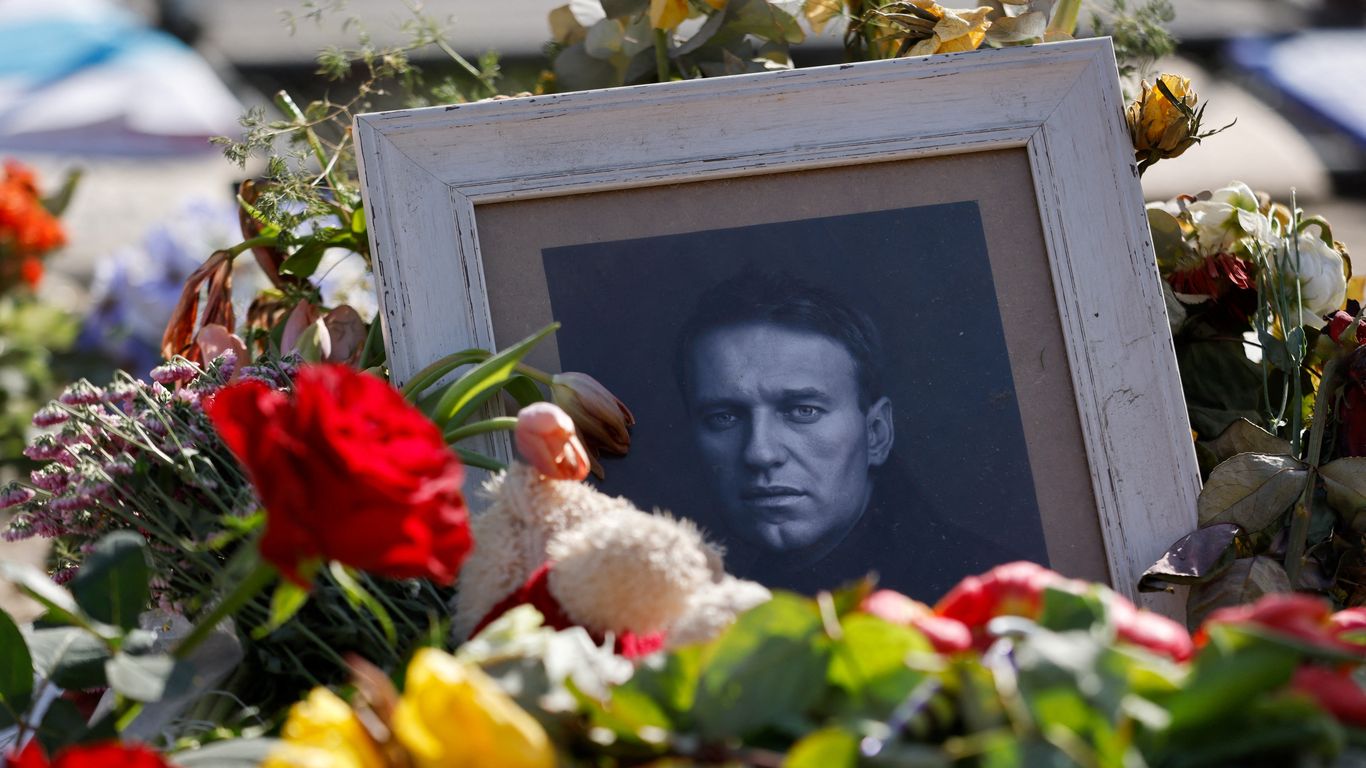
Yulia Navalnaya, widow of Alexei Navalny, stated that two independent laboratories in 'at least two countries' concluded her husband was poisoned, based on 'smuggled' biological samples. This finding directly contradicts the official Russian narrative of his death and reinforces international suspicions of state involvement, recalling a previous Novichok poisoning attempt. The revelation intensifies geopolitical scrutiny and could factor into risk assessments concerning the Russian regime.
The assertion by Yulia Navalnaya that two independent labs have confirmed Alexei Navalny was poisoned introduces a significant factual challenge to the official narrative from Russian authorities. This claim, based on 'smuggled' biological samples, directly contradicts the Kremlin-circulated cause of death and aligns with prior suspicions voiced by Western leaders. The context of Navalny's near-fatal poisoning with the Novichok nerve agent in 2020 lends substantial weight to the new allegations, reinforcing a pattern of state-level actions against political opponents. The Kremlin's official response of declining to comment further solidifies the perception of opacity. While not tied to a specific financial asset, this development materially elevates the geopolitical risk profile of Russia, underscoring the unpredictable nature of the regime and the potential for international backlash.
AI-powered research, real-time alerts, and portfolio analytics for institutional investors.
Request DemoOverall Sentiment
neutral
Sentiment Score
0.00
