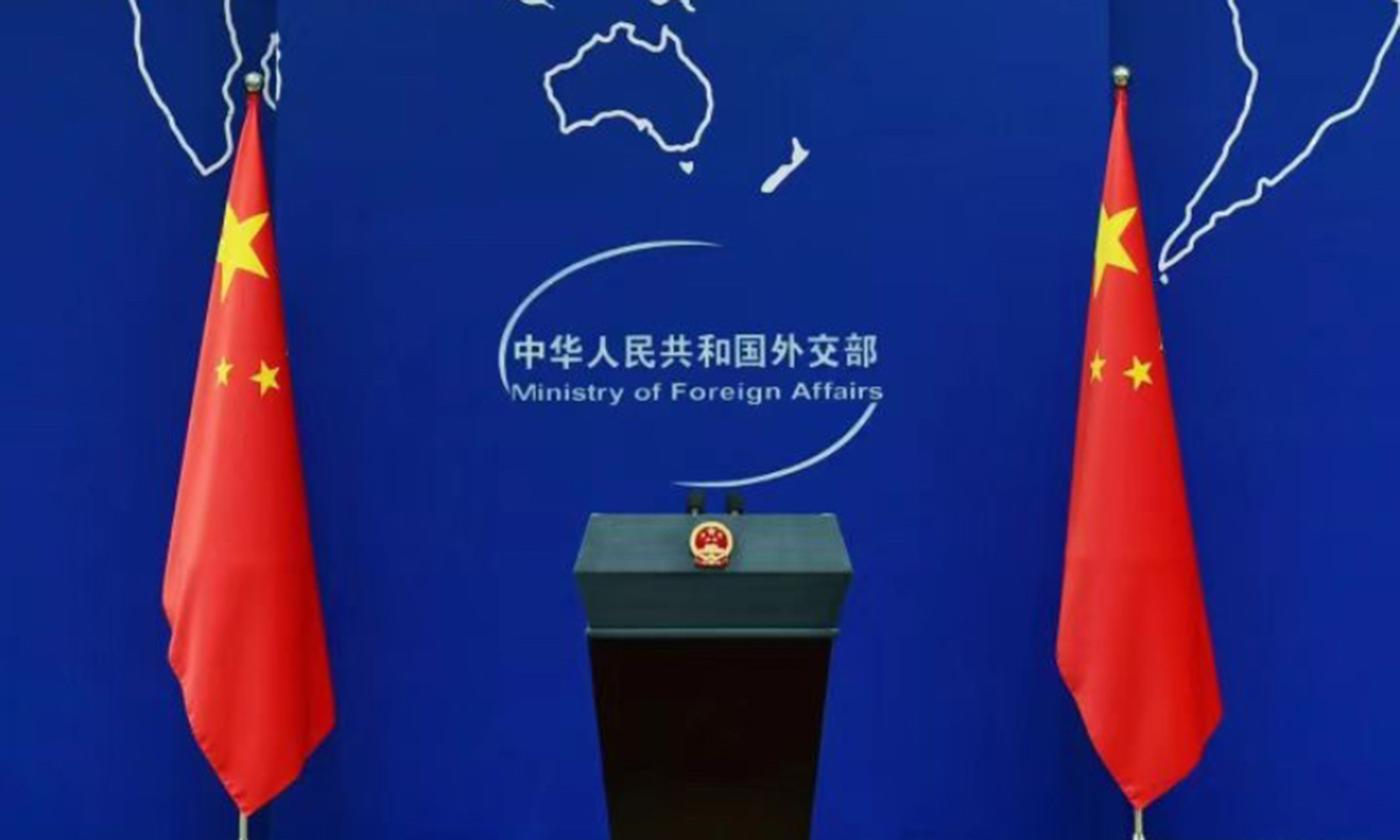
Chinese Foreign Ministry spokesperson Guo Jiakun condemned reports that a senior adviser in Japan's Prime Minister's Office said Japan 'should possess nuclear weapons,' calling the claim serious and evidence of right-wing efforts to remilitarize and challenge the Nuclear Non‑Proliferation Treaty. Beijing accused Tokyo of loosening security restraints, pursuing extended deterrence/nuclear sharing and potential revision of the Three Non‑Nuclear Principles; the development raises regional geopolitical risk and could support higher Japanese defense spending and increase risk premia for assets sensitive to East Asian stability.
Market structure: Near-term winners are defense primes and commodity suppliers to armament chains — U.S. names (LMT, NOC, RTX, GD) and Japanese heavy machinery/shipbuilders (7011.T Mitsubishi Heavy, 7012.T Kawasaki) should see improved order visibility if Tokyo accelerates procurement; expect a 5–20% re-rating tailwind over 6–12 months conditional on concrete budget action. Losers are Japanese exporters and yield-sensitive financials if higher defense spending forces greater JGB issuance or if risk-off shocks compress auto/consumer cyclicals' multiples by 5–15%. Pricing power shifts to defense OEMs and specialty suppliers (radar, missiles, microelectronics, rare earths/uranium) as governments become primary demand drivers.
Risk assessment: Tail risk is low-probability/high-impact — actual Japanese nuclearization or a regional arms race leading to sanctions would shock equities, FX and commodity markets; assign <5% probability over 24 months but >$100bn market-cap disruption regionally. Immediate (days) volatility in JPY, gold and options IV; short-term (weeks–months) policy signaling and budget drafts matter; long-term (years) structural shift in Japan’s fiscal trajectory and sustained defense-capex growth. Hidden dependencies include U.S. extended-deterrence commitments and Chinese diplomatic/economic countermeasures which could amplify market moves.
Trade implications: Tactical plays: long U.S. defense primes and select Japanese defense/engineering names 1–2% NAV each with 6–12 month horizon; hedge FX via 1-month USD/JPY put options (strike ≈2% below spot) sized 0.5–1% NAV. Short 10Y JGB futures (0.5–1% NAV) if the government signals >3% YoY defense budget increase or JGB yields rise >20bp. Buy 1% GLD as geopolitical hedge; consider 6‑month call spreads on LMT (buy 1 strike ITM/sell 1–2 strikes OTM) to cap premium.
Contrarian angles: Consensus may overstate path to nuclearization; markets could be underpricing a steady, modest uplift in defense spending (2–5% of fiscal budget reallocation) rather than an abrupt crisis. Historical parallels (post-2000 defense cycle boosts in Europe) show multi-year, not immediate, procurement flows—so early entrants should size positions modestly and monitor concrete legislative milestones. Unintended consequence: a hawkish Japan could spur regional procurement cooperation (benefiting global primes) rather than prolonged risk-off, reversing short-term safe-haven trades.
AI-powered research, real-time alerts, and portfolio analytics for institutional investors.
Request DemoOverall Sentiment
moderately negative
Sentiment Score
-0.40
