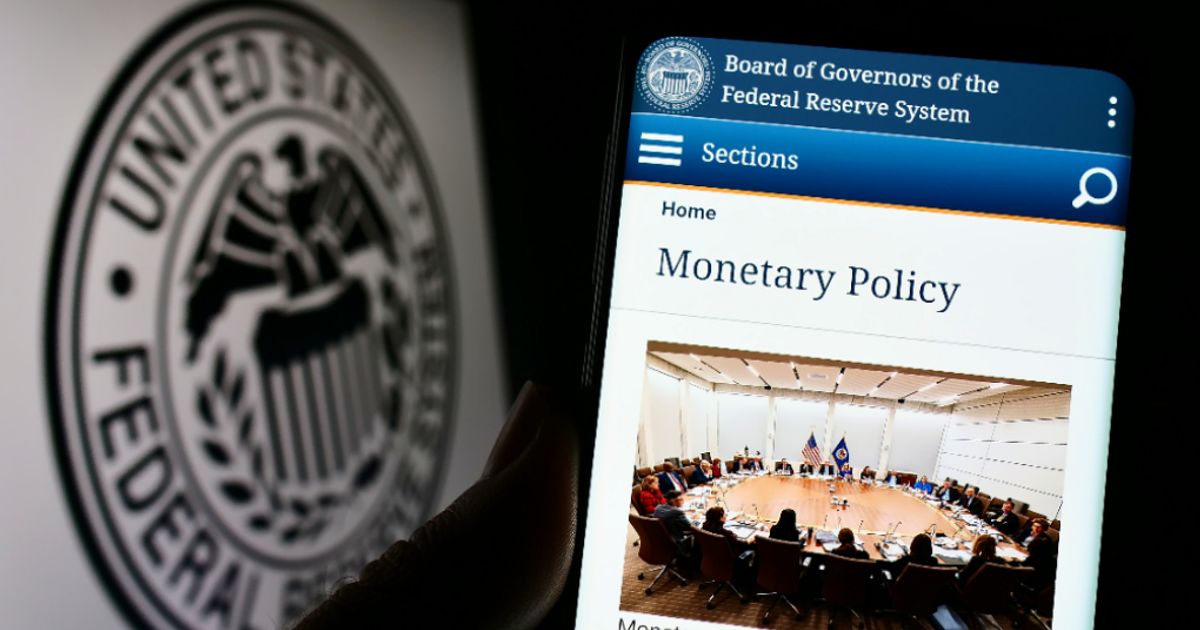
Federal Reserve minutes from the July FOMC meeting revealed significant policy division, with the benchmark rate held at 4.25%-4.5% but two governors dissenting for a rate cut, a rare occurrence. The central debate centered on balancing persistent inflation risks, exacerbated by tariffs, against growing labor market weakness and tepid economic growth. Policymakers acknowledged potential difficult tradeoffs if inflation proves persistent while the labor market deteriorates, indicating future decisions will be highly data-dependent as investors await further guidance on the Fed's stance.
The July FOMC minutes reveal a significant and rare internal policy division, with two governors dissenting from the decision to hold the federal funds rate at 4.25%-4.5% in favor of a quarter-point cut—the first multiple-governor dissent in over three decades. This highlights a critical debate within the Fed, balancing upside inflation risks against downside employment risks. A majority of officials view persistent inflation, potentially exacerbated by tariffs, as the primary threat, while a minority faction is increasingly concerned by signs of a weakening labor market. This concern is substantiated by staff characterizations of 'tepid' first-half 2025 economic growth, slowing consumer spending, and recent soft payroll data with downward revisions. The minutes explicitly state the committee may face 'difficult tradeoffs' if elevated inflation persists alongside a deteriorating labor market, rendering future policy decisions highly contingent on incoming data and amplifying the importance of Fed Chair Powell's upcoming Jackson Hole address for directional clarity.
AI-powered research, real-time alerts, and portfolio analytics for institutional investors.
Overall Sentiment
moderately negative
Sentiment Score
-0.55
