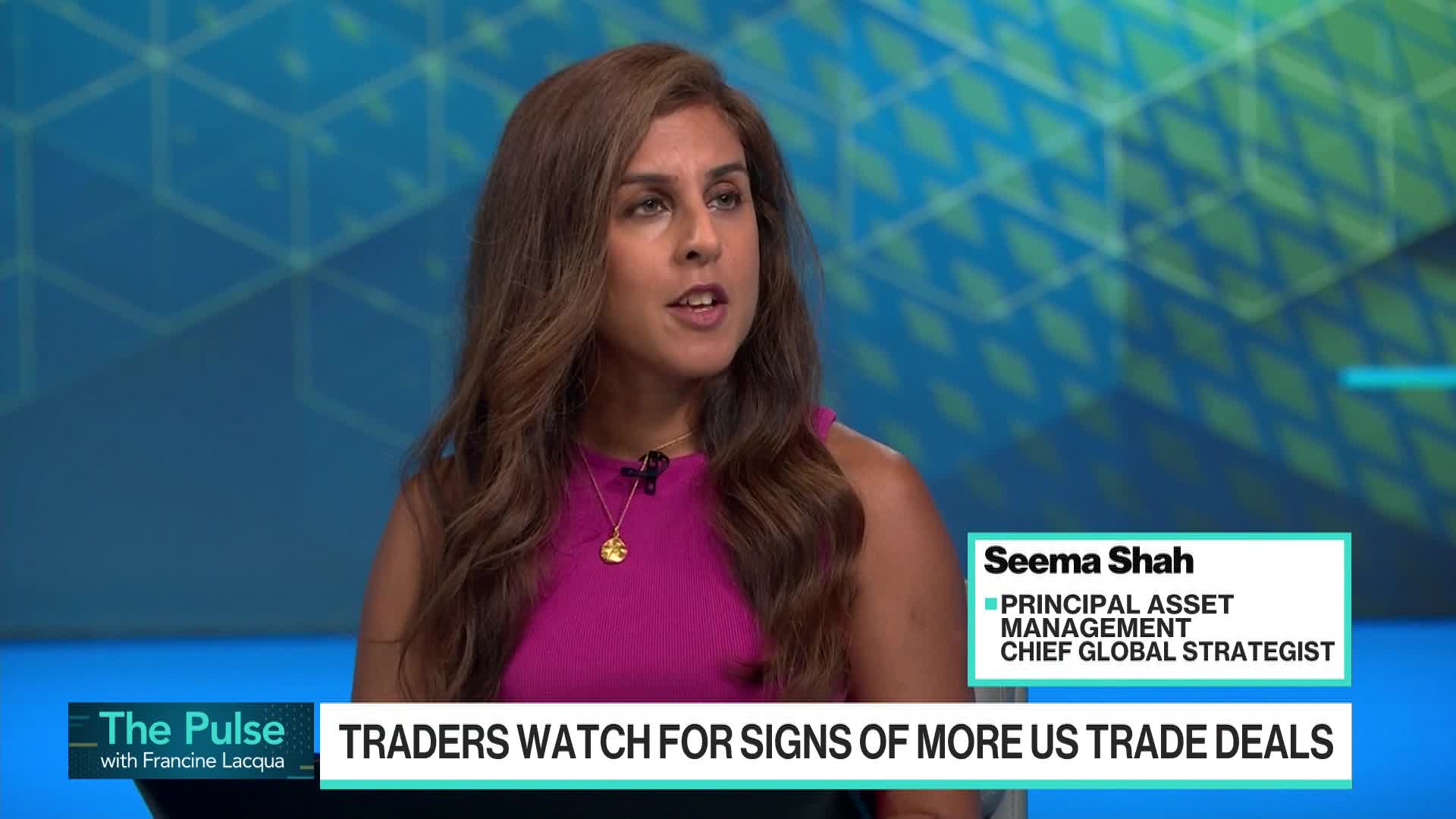
The United States has announced a significant 39% tariff on imports from Switzerland, a move attributed to former President Trump and signaling a broader 'Global Trade Blitz.' Concurrently, the US is also imposing interim 15% tariffs on EU wines as trade discussions continue. These actions underscore an escalating protectionist stance impacting key international trade partners.
The United States is escalating its protectionist trade policy with the implementation of a significant 39% tariff on all imports from Switzerland, a move attributed to former President Trump. This action is framed as part of a broader 'Global Trade Blitz,' suggesting a hawkish and potentially expanding strategy. Concurrently, the US has imposed interim 15% tariffs on European Union wines amidst ongoing negotiations, indicating that trade friction is not isolated to Switzerland but extends to the broader European bloc. The severity of the 39% tariff, in particular, signals a punitive stance that will materially impact Swiss exporters and introduce substantial uncertainty into transatlantic trade relationships, likely leading to retaliatory measures and increased volatility in affected sectors.
AI-powered research, real-time alerts, and portfolio analytics for institutional investors.
Request DemoOverall Sentiment
moderately negative
Sentiment Score
-0.50
