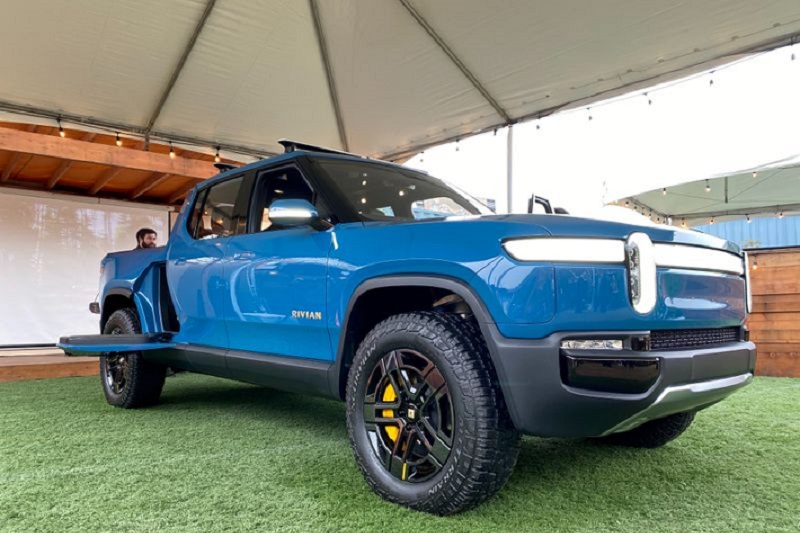
Rivian secured a $1.0B investment from Volkswagen ($750M equity + $250M equity or convertible debt) and struck a deal with Uber to deploy up to 50,000 autonomous robotaxis (initial 10,000 purchase, option for 40,000 by 2030). DA Davidson upgraded RIVN to Neutral from Underperform with a $14 price target while the stock trades at $15.05 (down 24% YTD); Morgan Stanley remains Underweight with a $12 PT and Stifel reiterates Buy at $20. Analysts flagged risks: R2 pricing came in ~55% above some consumer expectations, creating a risk to Rivian’s guidance to deliver 20,000–25,000 R2 units this year despite the strategic funding and partnership announcements.
Market reaction is treating this company as a classic execution-versus-optionality trade: near-term revenue/margin is driven by retail demand elasticity and channel inventory dynamics, while optional long-run upside is concentrated in fleet/autonomy optionality and software monetization. That combination creates asymmetric information risk — small misses on order cadence or pricing perception can generate large headline-driven flow and steep implied-volatility moves, even if long-term tech optionality remains intact.
A strategic shift toward large fleet customers materially changes unit economics: up-front capital intensity, warranty/residual exposure, service network costs, and working-capital timing become dominant drivers of free cash flow. Suppliers and battery allocation decisions will re-rate depending on whether fleet contracts guarantee volume or simply create episodic demand spikes; that influences lead times and bargaining power with cell makers and Tier-1 suppliers.
Key catalysts cluster by horizon: headlines and delivery cadence in the next 0–3 months; production mix, ASP and channel inventory in 3–12 months; and regulatory/technical milestones for autonomy and software monetization in 12–36 months. Tail risks include accelerated cash burn from underpriced fleet sales or a sustained hit to residual values forcing aggressive buybacks or reserves — any of which would compress enterprise value far more than revenue misses alone.
The consensus appears to overweight the strategic optionality and underweight margin transition effects in early fleet years. If fleet commitments do not convert into predictable recurring revenue or if residual risk is borne by the manufacturer, the stock will re-rate lower even if autonomy remains a long-term prize; conversely, a visible path to 20–30% software/recurring GM contribution would justify a multiple re-rating well above current levels.
AI-powered research, real-time alerts, and portfolio analytics for institutional investors.
Request DemoOverall Sentiment
mixed
Sentiment Score
0.05
Ticker Sentiment
