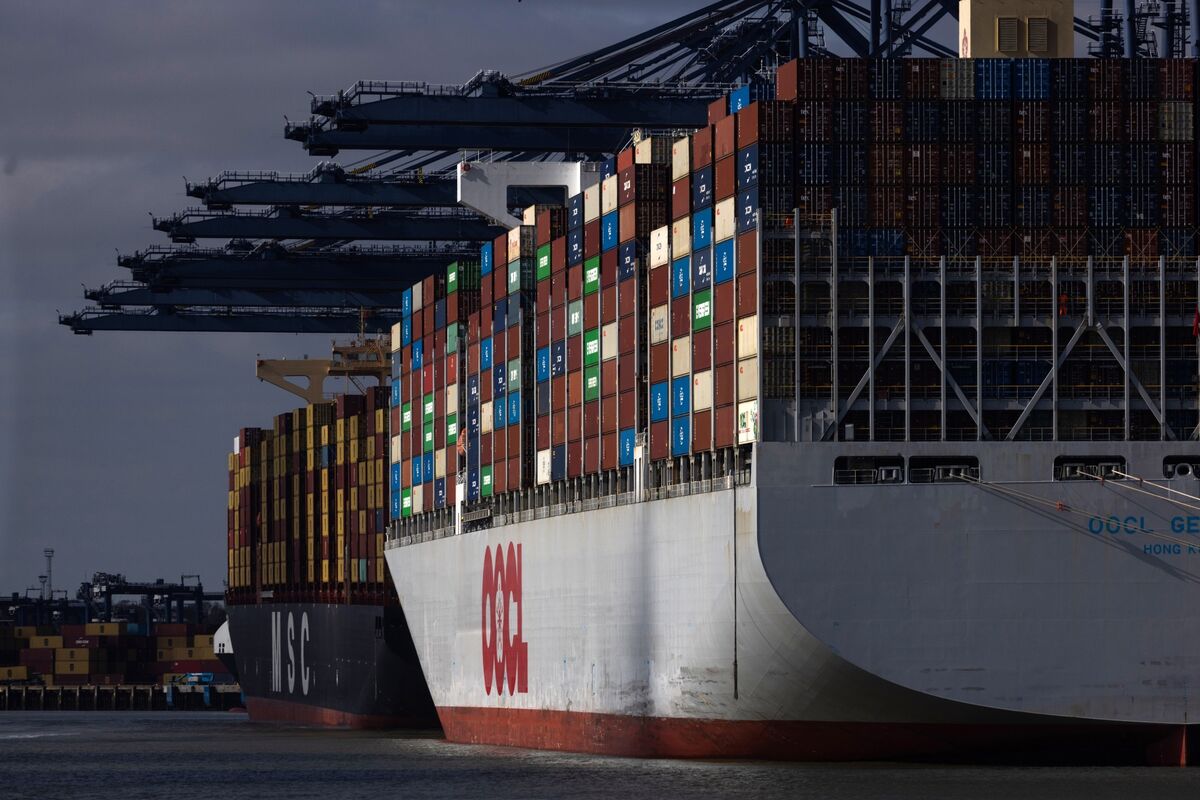
The IMF is observing an unwinding of the surge in global trade and economic activity that preceded the implementation of US President Trump's tariffs, signaling that the initial boost from front-running these tariffs is fading amidst ongoing global economic uncertainty.
The International Monetary Fund (IMF) has observed a deceleration in global trade and economic activity, signaling an unwinding of the surge previously driven by businesses front-running anticipated US tariffs under the Trump administration. This reversal suggests that the temporary uplift in activity, aimed at preempting tariff imposition, is now subsiding. This development is occurring within a context of sustained and heightened global economic uncertainty, implying that the underlying trade environment is increasingly exposed to these broader economic pressures and the actual effects of implemented trade policies. The moderately negative sentiment and uncertain tone associated with this trend indicate potential headwinds for global commerce, as the artificial stimulus from tariff anticipation fades.
AI-powered research, real-time alerts, and portfolio analytics for institutional investors.
Request DemoOverall Sentiment
moderately negative
Sentiment Score
-0.50
