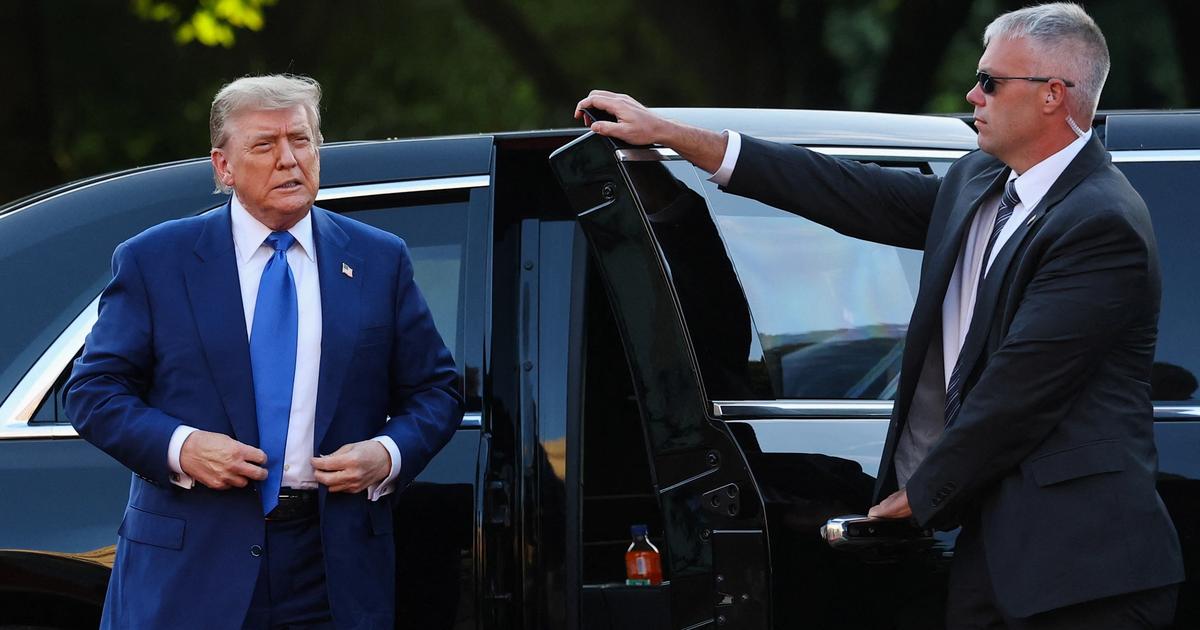
Donald Trump's evolving foreign policy, exemplified by recent strikes on Iranian nuclear facilities followed by a push for diplomacy, is testing his 'peace through strength' approach and revealing internal Republican divisions. While the White House frames his actions as consistent with 'America First' and a 'realist' stance, the pivot to a ceasefire has exposed rifts between interventionist and non-interventionist factions within the GOP. Preliminary intelligence suggesting the strikes set back Iran's nuclear capabilities by only months highlights the ongoing challenge of defining a coherent 'Trump Doctrine' and its broader implications for geopolitical stability, including potential impacts on other conflicts like Ukraine.
The foreign policy approach of the Trump administration, described as 'Peace through strength,' is demonstrating significant unpredictability, creating rifts within the Republican party and uncertainty for geopolitical stability. The recent sequence of bombing Iranian nuclear facilities followed by a pivot to ceasefire negotiations highlights a tactical flexibility that defies easy categorization, fueling debate between party hawks and non-interventionists. A critical intelligence assessment, suggesting the strikes may have set back Iran's nuclear program by only a matter of months, questions the long-term effectiveness of this strategy and implies a potential for recurring conflict. This lack of a clearly defined doctrine, often appearing to be driven by presidential instinct rather than a consistent policy framework, extends beyond the Middle East. The administration's success in this region is being explicitly linked to potential outcomes in the Russia-Ukraine conflict, creating a 'domino effect' that amplifies global macro risks.
AI-powered research, real-time alerts, and portfolio analytics for institutional investors.
Overall Sentiment
Neutral
Sentiment Score
-0.15
Ticker Sentiment
