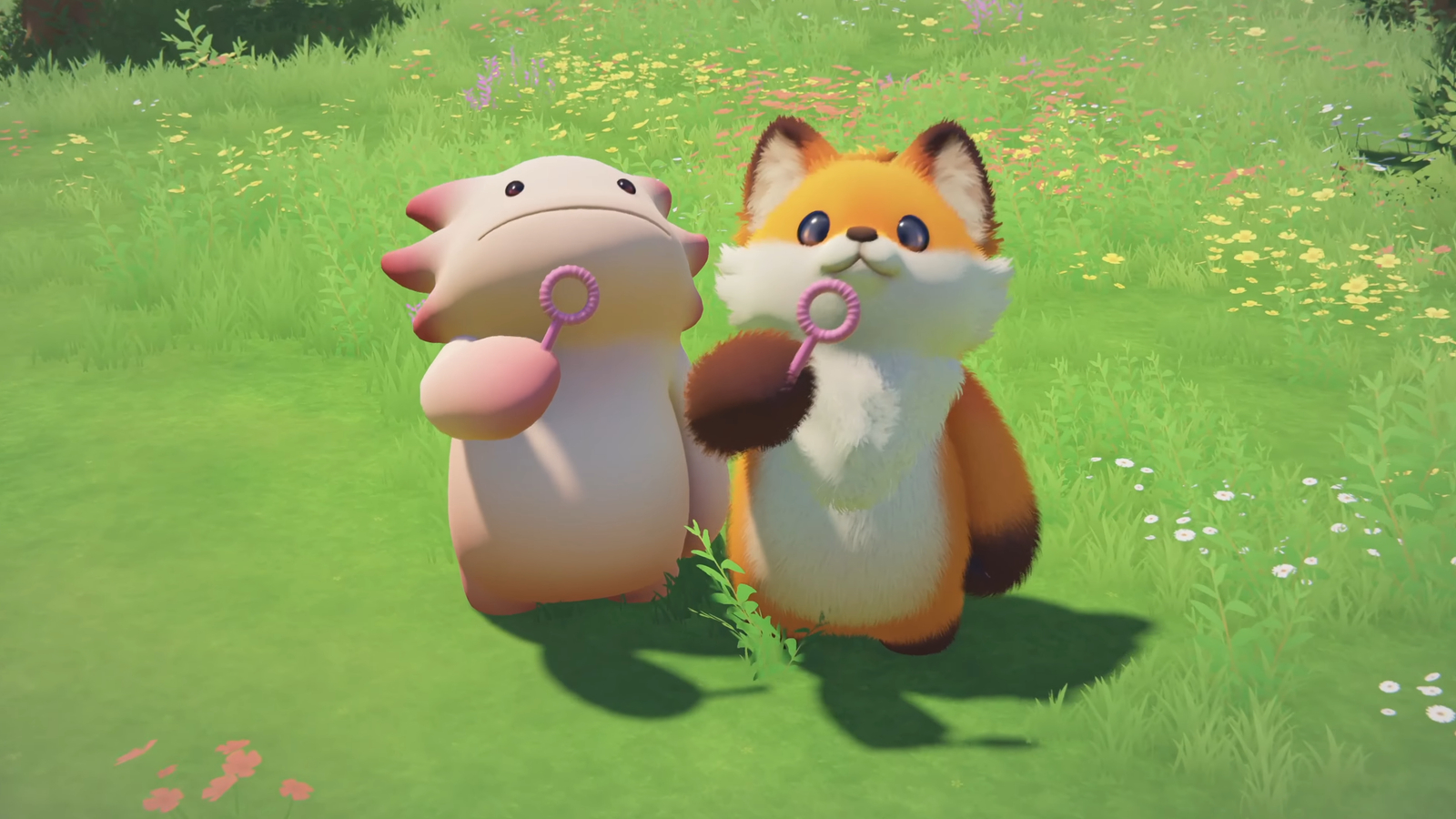
Party Animals has seen concurrent Steam players fall from a launch peak of 104,174 to 8,716 today, with a 30-day average of just 2,815, signaling a sharp deterioration in engagement. The game’s publisher has responded by launching a $75,000 AI Video Contest running from May 14 to August 31, but the AI-themed promotion has drawn widespread criticism rather than enthusiasm. The news is negative for user sentiment and brand perception, though likely limited in direct market impact.
The key signal is not the contest itself, but the economics of desperation: when a live-service title starts paying six figures to manufacture engagement, management is effectively admitting organic retention has broken. That usually means the next leg is not a rebound in MAU, but a series of increasingly promotional moves that can support a temporary pop while degrading the brand and lowering long-run willingness to pay. The second-order effect is that the company is likely to lean harder into low-cost content/UGC tactics rather than meaningful gameplay investment, which tends to extend the product’s tail but not restore its launch-level monetization curve. For the AI theme, this is a mixed signal. In gaming, generative AI is most monetizable when it reduces content production cost inside large platforms; it is much less valuable when used as a marketing wedge for a declining title, where backlash can overwhelm the novelty effect. The controversy itself can become a short-term attention engine, but negative sentiment can push creators, streamers, and community moderators away, which matters because social proof is a major acquisition channel for these games. That creates a fragile setup: a brief spike in visibility followed by faster churn if the underlying loop still fails to retain users. The contrarian angle is that the market may be over-indexing on the optics of the AI contest and underweighting the possibility that the team is using a low-CAPEX tactic to buy time before a broader relaunch or platform partnerships. If the prize pool drives a meaningful volume of user-generated clips, it could reduce paid acquisition needs for a quarter or two. But absent evidence of improving cohort retention, any bounce is more likely to be a monetization of attention than a durable product inflection, making this more of a sentiment trade than a fundamental turnaround.
AI-powered research, real-time alerts, and portfolio analytics for institutional investors.
Overall Sentiment
moderately negative
Sentiment Score
-0.35
