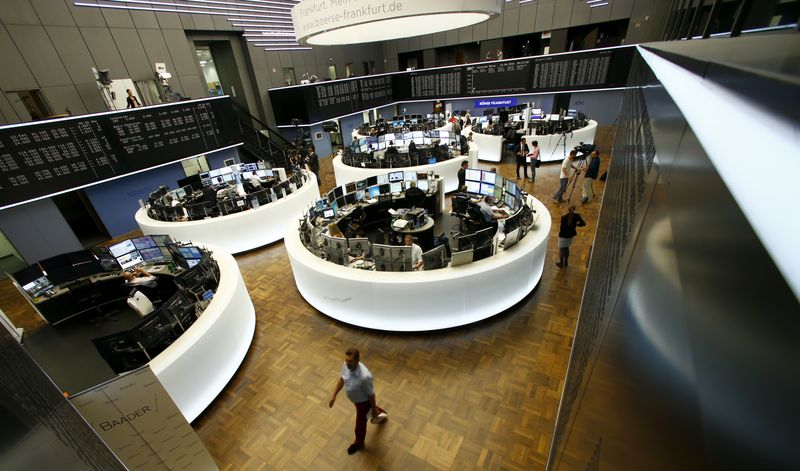
The effective closure of the Strait of Hormuz for weeks has driven a sharp spike in global oil prices (the strait carries ~20% of world oil), stoking recession worries. By 03:10 ET European benchmarks were near flat: Stoxx 600 +0.1%, DAX +0.2%, FTSE 100 +0.1%. The WSJ reports President Trump may accept ending the campaign even if the strait remains largely shuttered, preferring strikes on Iran's navy and missile stocks and a drawdown of hostilities while pressuring Tehran diplomatically. This is a developing geopolitical shock with material implications for oil markets and risk sentiment; monitor oil price moves and energy/defense exposures closely.
The headline-driven premium to oil is now generating predictable secondary effects: sharply higher tanker insurance and time-charter rates, a re-routing premium that favors owners of deep-pocket, flexible storage tankers, and a concentrated flow shock to Asia-bound light crudes that will pressure refinery inlet mixes over the next 4–12 weeks. Expect freight TC volatility to spike 30–60% versus pre-crisis baselines for owners with open capacity; that flow premium compounds to refinery feedstock cost differentials and creates temporary arbitrage windows for owners able to store crude at sea.
On a 1–6 month horizon the market will price both the probability of sustained physical interruption and the policy response envelope (SPR releases, allied naval action, Iran diplomacy). If the strait remains impaired beyond 4–8 weeks, we should model a structural oil premium in the order of $5–$15/bbl from inventory draws and re-routing costs, but that level also materially raises the probability of demand erosion and monetary tightening over 2–4 quarters. E&P cashflows accelerate quickly with higher prices; service-sector capacity constraints and longer lead times mean supply-side relief is blunt for at least 6–12 months.
Technically, contango/backwardation dynamics and options skew are widening — this favors curvature buyers (calls) and owners of physical storage versus passive ETF holders who suffer roll cost. The market’s current reflex to buy blue-chip energy exposure understates two things: the outsized near-term return to floating storage and tanker equities, and the risk that diplomatic de-escalation or coordinated SPR releases compress the premium quickly within a 2–8 week window.
AI-powered research, real-time alerts, and portfolio analytics for institutional investors.
Request DemoOverall Sentiment
mildly negative
Sentiment Score
-0.25
Ticker Sentiment
