
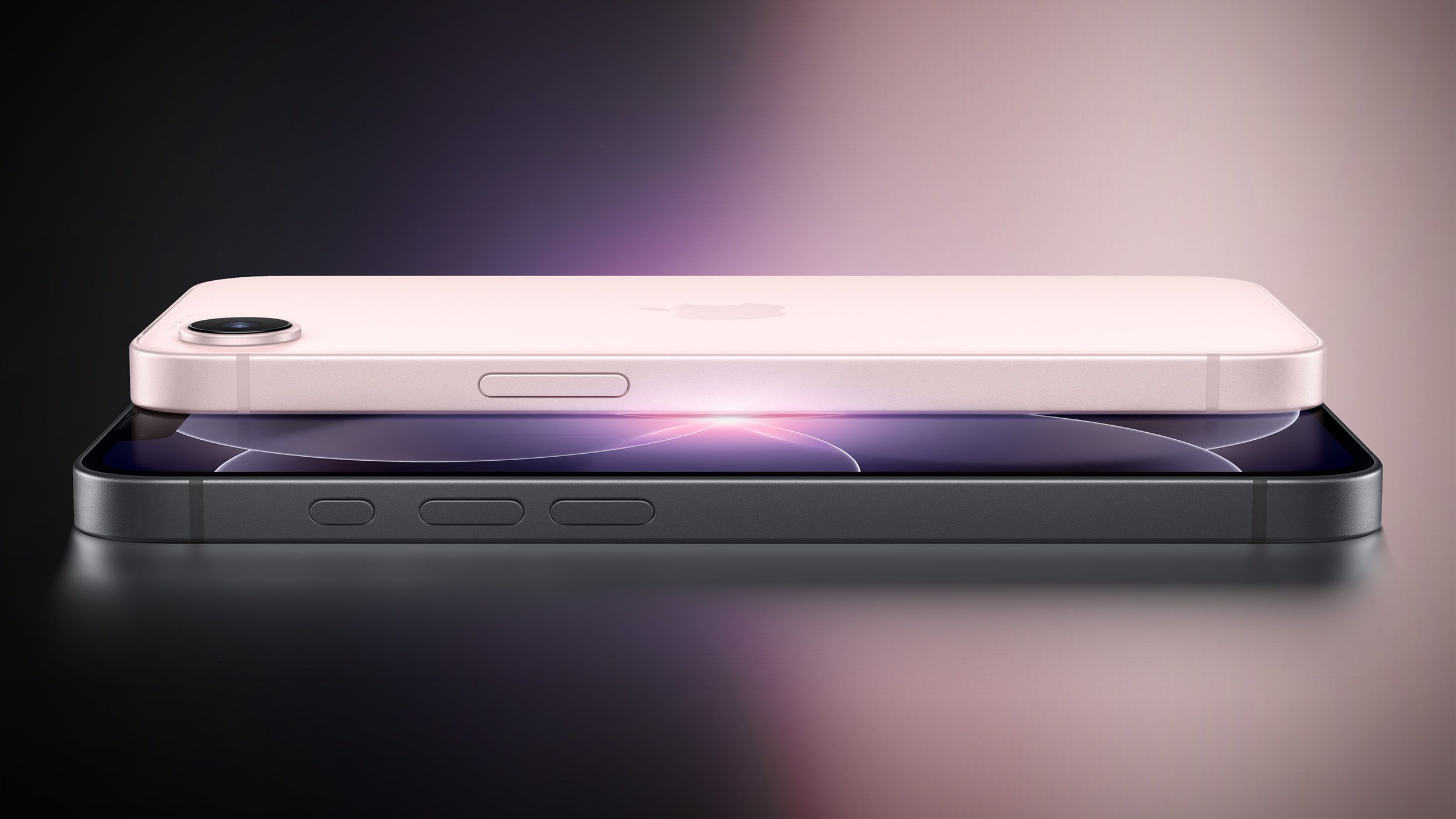
Apple announced the iPhone 17e, an iterative upgrade over the iPhone 16e featuring the A19 chip (4.26 GHz vs 4.04 GHz), higher memory bandwidth (68.2 vs 60 GB/s), a 4-core GPU with Neural Accelerators, C1X modem, MagSafe 15W charging (up from 7.5W), Ceramic Shield 2, and a doubled base storage of 256GB while retaining a $599 starting price; pre-orders begin March 4 with availability March 11. The package modestly boosts performance and future‑proofing—likely increasing upgrade demand among iPhone 14-and-older users and new buyers—without signaling a dramatic near-term earnings shock, though it may influence retail discounting of the prior 16e and component/supplier demand patterns.
Market structure: Apple (AAPL) is the direct beneficiary — a $599 iPhone 17e with 256GB base and MagSafe raises implied ASP and accessory TAM (estimated +$10–$25 ASP impact if accessories attach rates rise 2–5%). Supply winners include TSMC (TSM) for N3P wafers and Corning (GLW) for Ceramic Shield 2; magnet/rare-earth suppliers see marginal upside. Adversely, low‑end Android OEMs (Samsung, Xiaomi) face pressure in developed markets where the 17e closes feature gaps.
Risk assessment: Immediate upside is tied to pre-order momentum (days–weeks); short‑term risk is channel inventory re-pricing if retailers heavily discount iPhone 16e (weeks–months); long run (12–36 months) the new base storage and MagSafe can raise lifetime revenue per user, supporting services growth. Tail risks include regulatory pushback on eSIM/carrier economics, a TSMC yield hiccup for N3P, or macro-driven demand pullback; watch Apple sell‑through <40% in first 30 days as a red flag.
Trade implications: Direct trade = size AAPL long exposure (2–3% portfolio) ahead of first sell‑through data, paired with TSM (1–2%) and GLW (0.5–1%) supplier exposure. Use covered‑call overlays (sell 45–60 day calls 5–8% OTM) to monetize elevated post‑launch IV; if sell‑through >60% and guidance raised, add to longs and unwind calls. Short candidates: selective exposure to low‑end Android peers (SSNLF/XIACY) for 3–6 months to capture share loss.
Contrarian angles: Consensus prices this as incremental — miss is that doubling base storage removes a low‑price entry SKU, reducing replacement cycles and potentially compressing upgrade velocity for cost-sensitive users (negative over 12–24 months). Conversely, MagSafe adoption could be underappreciated: a 3–5% accessory attach uplift would boost recurring hardware revenue and service TAM; watch carrier subsidies and trade‑in economics as the decisive second‑order effect.
AI-powered research, real-time alerts, and portfolio analytics for institutional investors.
Request TrialOverall Sentiment
mildly positive
Sentiment Score
0.35
Ticker Sentiment
