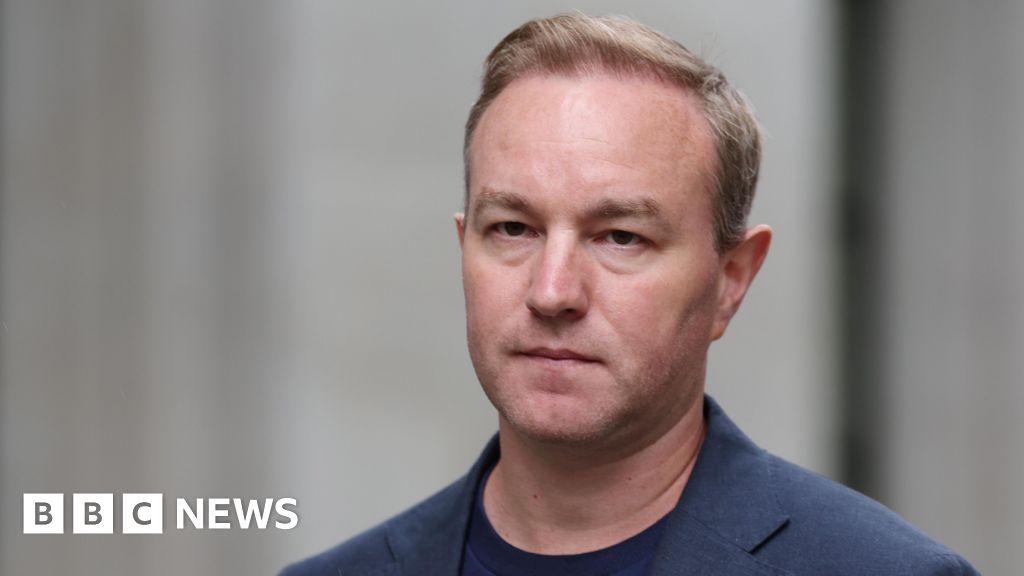
Former UBS trader Tom Hayes is suing the bank for $400 million for malicious prosecution, alleging he was scapegoated in the Libor rate-rigging scandal. This lawsuit follows the recent quashing of his conviction by the UK Supreme Court, after he spent years in jail for manipulating interest rates. Hayes claims UBS intentionally misled authorities to protect its senior executives and minimize regulatory fines, positioning him as the "evil mastermind" of the misconduct. This high-stakes legal challenge reopens scrutiny on corporate accountability in the wake of the 2008 financial crisis and could have substantial financial and reputational implications for UBS.
Former UBS trader Tom Hayes has initiated a $400 million lawsuit against the bank for malicious prosecution, following the UK Supreme Court's decision to quash his Libor rate-rigging conviction. This legal action, stemming from a decade-long battle, alleges UBS intentionally scapegoated Hayes to protect senior executives and mitigate regulatory fines during the 2008 financial crisis. The per-ticker sentiment for UBS is significantly negative at -0.9, reflecting the severity of these claims.
Hayes' complaint asserts that UBS misled US authorities and manipulated its internal investigation to brand him as the "evil mastermind" behind the misconduct. This reopens scrutiny on corporate accountability and governance within the banking sector, highlighting potential systemic failures in how financial institutions handled the Libor scandal. The general sentiment for the news is strongly negative (-0.7), indicating significant concern among market participants.
The quashing of Hayes' conviction, alongside that of former Barclays trader Carlo Palombo, raises questions about the original prosecutions and the capacity of courts to correct judicial error. This development, coupled with the US no longer regarding the conduct as a crime, suggests a shifting legal landscape around historical financial misconduct. The lawsuit could have substantial financial and reputational implications for UBS, impacting investor perception and potentially future regulatory interactions.
AI-powered research, real-time alerts, and portfolio analytics for institutional investors.
Overall Sentiment
strongly negative
Sentiment Score
-0.70
Ticker Sentiment
