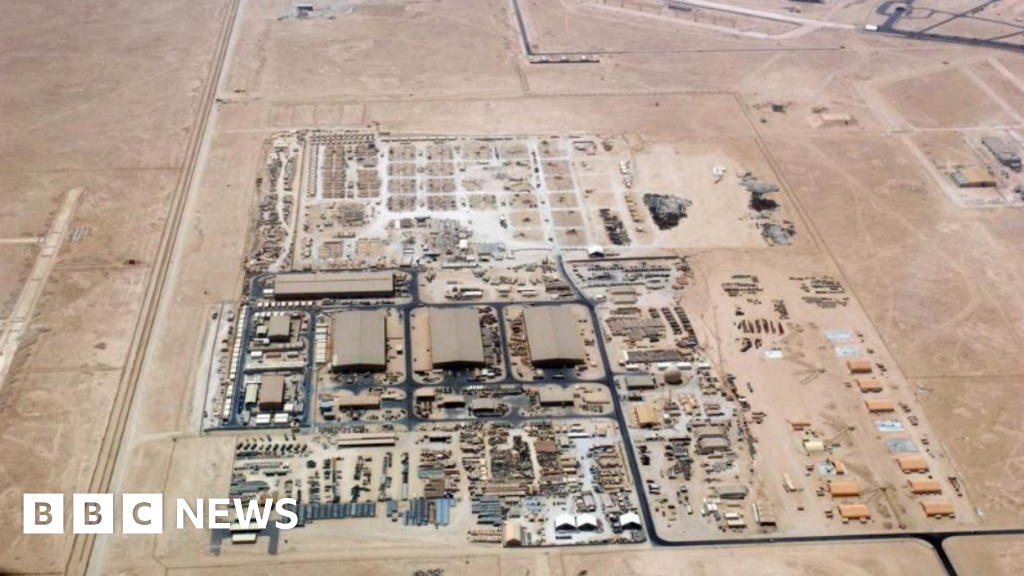
Iranian forces launched missiles targeting Al Udeid Air Base in Qatar, the largest US military installation in the Middle East, in retaliation for recent American strikes against Iranian nuclear sites. While Qatari officials confirmed no casualties or injuries due to prior evacuation and the extent of material damage remains unclear, this direct attack signifies a critical escalation in the broader US-Iran-Israel conflict, pushing Middle East tensions to unprecedented levels and raising concerns about regional stability.
Iran’s direct missile attack on the Al Udeid Air Base in Qatar, the largest US military installation in the Middle East, represents a material escalation in the regional conflict with the US and Israel. While the Qatari government reported no casualties due to a pre-emptive evacuation, the full operational and material impact on this critical hub for US air operations remains uncertain, creating significant near-term volatility. The attack was a direct retaliation for US strikes on Iranian nuclear facilities, signaling a shift towards state-on-state military action. The immediate economic consequences are tangible, evidenced by the closure of airspace by Qatar, Bahrain, and Kuwait, which disrupted over 100 flights bound for Hamad International Airport, a top-ten global transit hub. This event introduces a new level of direct threat to fixed US assets in the region, as articulated by the IRGC's statement that US bases are "vulnerabilities," amplifying geopolitical risk premiums across asset classes.
AI-powered research, real-time alerts, and portfolio analytics for institutional investors.
Request DemoOverall Sentiment
strongly negative
Sentiment Score
-0.70
