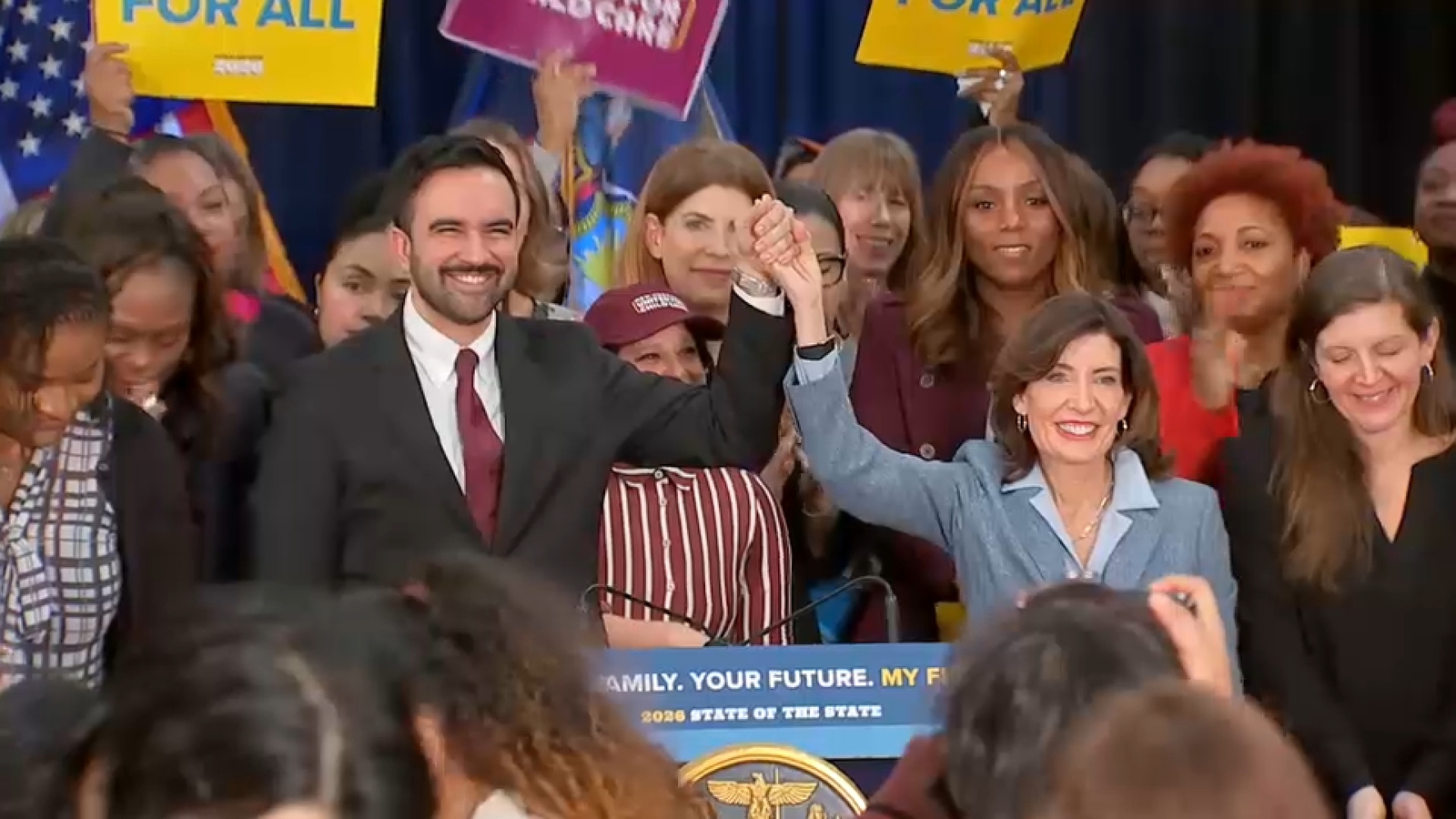
Governor Kathy Hochul and NYC Mayor Zohran Mamdani unveiled a '2 Care' program to provide childcare for 2-year-olds beginning this September in high‑needs neighborhoods, with the state committing to fully fund the first two years and to cover launch costs; the initiative will build on existing 3-K and be phased citywide by 2029-30. The state is allocating $4.5 billion to childcare this year — including a 40% increase in family vouchers and pre-K expansion — while full statewide coverage down to six weeks could cost up to $15 billion annually, requiring legislative funding and carrying notable political implications amid federal funding freezes.
Market structure: New York’s commitment (state covers initial launch, $4.5bn this year; full statewide rollout could cost up to $15bn/year) shifts demand toward licensed center operators, home-based providers and employers who sponsor care. Near-term winners: publicly-listed childcare operators (Bright Horizons, BFAM) and staffing/training vendors; losers: unsubsidized high-fee independent centers and strained municipal budgets that may face higher borrowing needs. This will reallocate household spending (higher labor force participation for caregivers) and increase long-term housing demand in neighborhoods where centers scale up.
Risk assessment: Tail risks include federal funding freezes, a state fiscal shock forcing tax increases or cuts, and accelerated wage inflation for childcare workers compressing private margins; low-probability but high-impact (20–30%+ stress) on NY muni credit if costs are backstopped by borrowing. Time horizons: immediate market reaction (days) limited; budget votes and contracting/rollout are 30–180 days; material fiscal and consumer-demand effects appear 12–36 months as centers scale. Hidden dependencies: reimbursement rates, provider supply constraints, and local zoning/licensing capacity.
Trade implications: Tactical longs: BFAM (Bright Horizons) 2–3% position over next 1–3 months to play contract wins and enrollment growth; protect muni exposure by buying 60–120 day MUB (iShares National Muni Bond ETF) put spreads sized 0.5–1% portfolio to hedge a NY-driven muni selloff. Pair trade: long XLY (1–2%) vs short NY-specific municipal exposure (reduce NY muni allocation by 25% of muni sleeve) to capture consumption upside while hedging local fiscal risk.
Contrarian angles: Consensus underestimates margin pressure on private centers — public funding can lower parent fees but not operator labor costs, producing bifurcated winners (large operators with scale) and losers (mom-and-pop centers). Muni markets may be underpricing political risk: a 100–150bp move wider in NY muni yields is plausible if state debt finances expansion without dedicated revenue. Monitor 60–120 day legislative milestones and provider reimbursement rate announcements as trade triggers.
AI-powered research, real-time alerts, and portfolio analytics for institutional investors.
Request DemoOverall Sentiment
mildly positive
Sentiment Score
0.25
