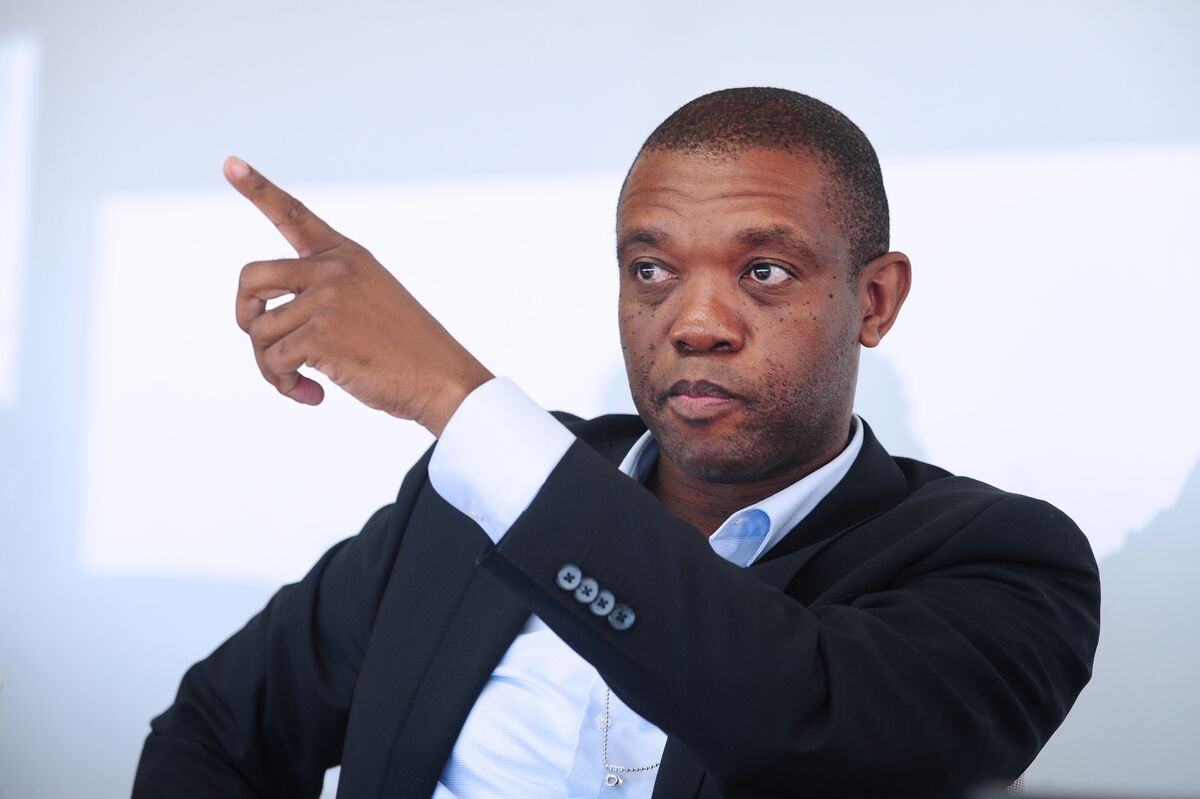
Rise Mzansi is urging South Africa's 10-party Government of National Unity (GNU) to establish a new pact outlining shared obligations and conduct, aiming to mitigate internal disputes that have threatened the alliance since its formation last June. Formed by the African National Congress after losing its parliamentary majority for the first time since 1994, the GNU has faced significant internal clashes, exemplified by a national budget that required three attempts to pass, underscoring ongoing concerns about political stability and policy consistency.
The call from Rise Mzansi for a new pact to govern South Africa's 10-party coalition highlights significant and persistent internal friction that threatens policy stability. The Government of National Unity (GNU), formed after the African National Congress lost its parliamentary majority for the first time since 1994, is demonstrating clear signs of discord. The fact that the national budget required three attempts to pass is a critical data point, underscoring the severe challenges in achieving consensus on fundamental fiscal policy. This level of political infighting creates considerable uncertainty around the government's ability to effectively implement economic reforms and manage the country, posing a tangible risk to investor confidence and the predictability of the policy environment.
AI-powered research, real-time alerts, and portfolio analytics for institutional investors.
Request DemoOverall Sentiment
mildly negative
Sentiment Score
-0.25
