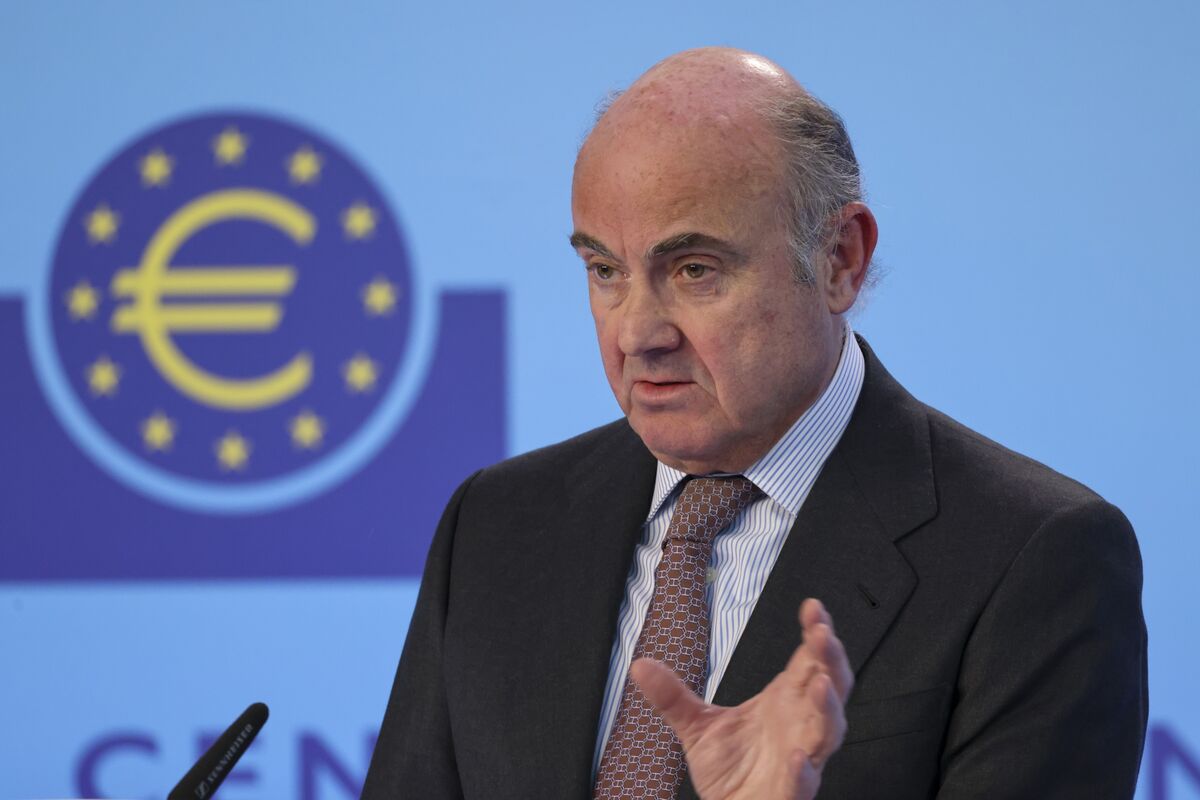
ECB Vice President Luis de Guindos indicated the euro-area economy is stalling, attributing it to 'brutal uncertainty' in global trade policy. He projects 'almost flat' growth for the second and third quarters, despite a distorted but 'good' first quarter, signaling significant economic headwinds for the region through September.
European Central Bank Vice President Luis de Guindos has provided a notably pessimistic outlook for the euro-area economy, signaling a significant stall in the near term. He attributes this slowdown to the "brutal uncertainty" created by global trade policies, which is directly impacting regional economic activity. While acknowledging that first-quarter growth was "good," he effectively dismissed it as an anomaly distorted by temporary factors, including strong performance in Ireland and the frontloading of exports ahead of potential trade barriers. The core of his message is the explicit forecast for "almost flat" growth for both the second and third quarters, indicating a prolonged period of economic stagnation through September. This commentary from a senior ECB official underscores a deeply cautious internal view and highlights the material risk that ongoing trade disputes pose to the European economic outlook.
AI-powered research, real-time alerts, and portfolio analytics for institutional investors.
Request DemoOverall Sentiment
strongly negative
Sentiment Score
-0.60
