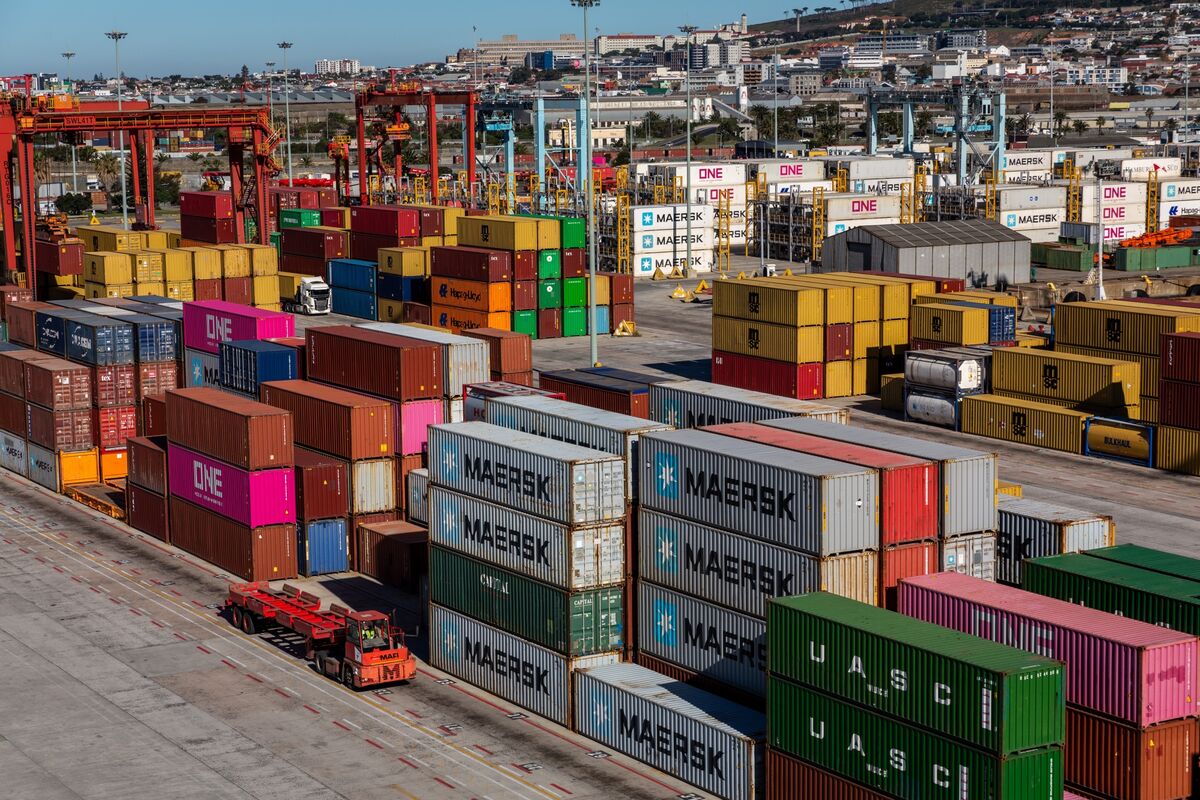
South Africa's trade department has drafted new regulations allowing exporters to collaborate, a strategic response to mitigate the impact of the 30% tariffs recently imposed by the US on South African imports. These proposed regulations, published for public comment, are intended to remain in effect for five years, signaling a structured, medium-term approach to navigating the trade challenge.
South Africa's Department of Trade, Industry and Competition has proposed a new regulatory framework designed to mitigate the adverse effects of a significant 30% tariff recently imposed by the United States. The draft regulations, which are open for public comment and intended to be in place for five years, would permit South African exporters to collaborate. This defensive policy response aims to enhance the resilience of the nation's export sector by potentially allowing companies to achieve economies of scale, share logistical costs, or engage in collective bargaining to absorb the financial pressure from the US tariffs. The five-year duration suggests a structured, medium-term government strategy rather than a temporary fix. While the initial tariff is a clear negative, the government's proactive, albeit defensive, intervention is viewed with mild positivity, signaling that the market perceives a structured support mechanism as a constructive step. The ultimate impact remains contingent on the final form of the regulations and the practical effectiveness of the sanctioned collaborations.
AI-powered research, real-time alerts, and portfolio analytics for institutional investors.
Request DemoOverall Sentiment
mildly positive
Sentiment Score
0.25
