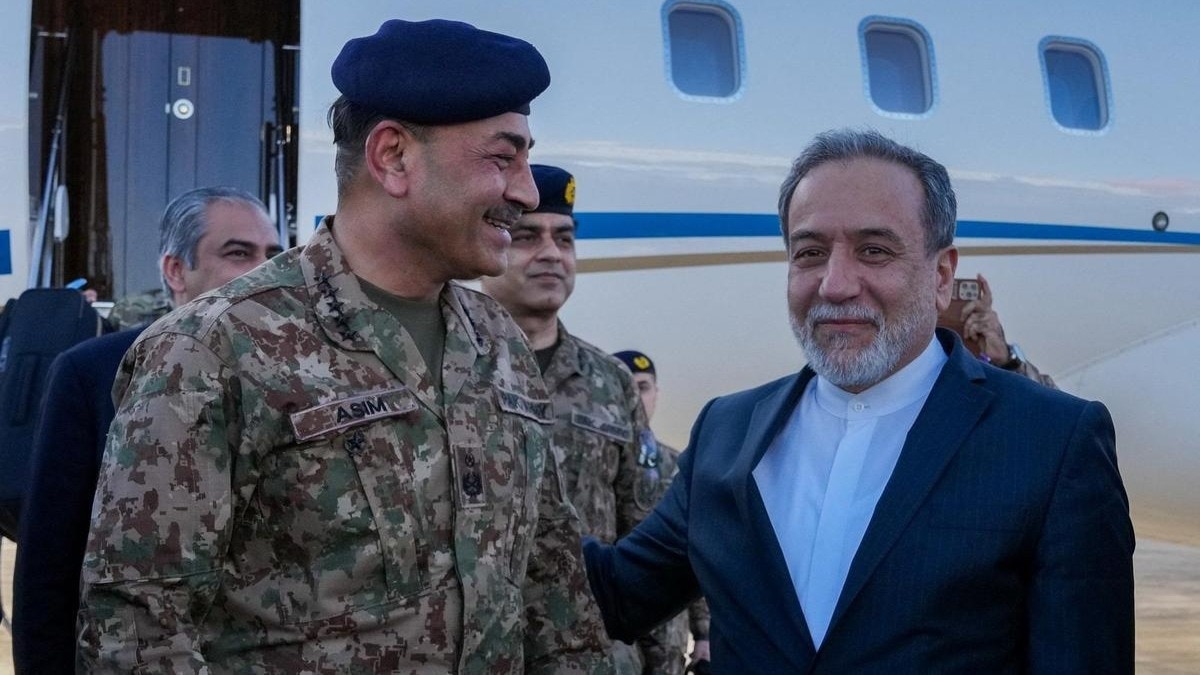
CBS News reported that Pakistan may have allowed Iranian military aircraft to use Nur Khan airbase during the Iran-U.S. conflict, raising questions about Islamabad’s neutrality and mediator role. The article also cites renewed clashes near the Strait of Hormuz, including alleged drone attacks toward the UAE and prior attacks on U.S. Navy destroyers, underscoring elevated regional risk. The developments keep geopolitical risk high for energy routes, defense assets, and broader emerging markets sentiment.
The market implication is not the immediate aircraft movement; it is the signaling risk that Pakistan is becoming a higher-variance node in the Iran containment map. That raises the discount rate on any asset tied to Pakistan’s external financing, FX stability, and defense procurement, because even a low-probability sanctions narrative can tighten funding conditions fast in an EM with limited reserve buffers. The first-order impact is reputational; the second-order impact is more expensive dollar funding and a wider sovereign risk premium if Washington decides to lean on multilateral lenders or bilateral military support.
This also subtly increases the odds that the current Strait of Hormuz risk premium persists longer than headlines suggest. Even if direct escalation cools, the combination of drone/port incidents and questions around regional backchannels makes insurance, freight, and rerouting costs less likely to mean-revert quickly. The tradeable effect is less about oil beta alone and more about transportation, marine insurance, and EM FX all carrying a small but persistent geopolitical surcharge over the next 2-8 weeks.
The contrarian angle is that public accusations may be a pressure tactic rather than a prelude to policy action. Pakistan has strong incentives to keep playing mediator, and Washington may prefer ambiguity if that channel helps avoid a broader regional widening. If so, the recent move is probably overstated for Pakistan-specific assets, but underappreciated for Gulf logistics and Iran-adjacent shipping names, where even unresolved allegations keep optionality skewed toward disruption.
For defense, the key point is that this kind of episode tends to support procurement urgency in the region, especially air defense, ISR, and base hardening. If the story keeps circulating, it reinforces budget authority for systems that reduce vulnerability to covert asset dispersion and surprise strikes. That is a slower-moving but more durable beneficiary set than crude itself.
AI-powered research, real-time alerts, and portfolio analytics for institutional investors.
Request DemoOverall Sentiment
moderately negative
Sentiment Score
-0.45
