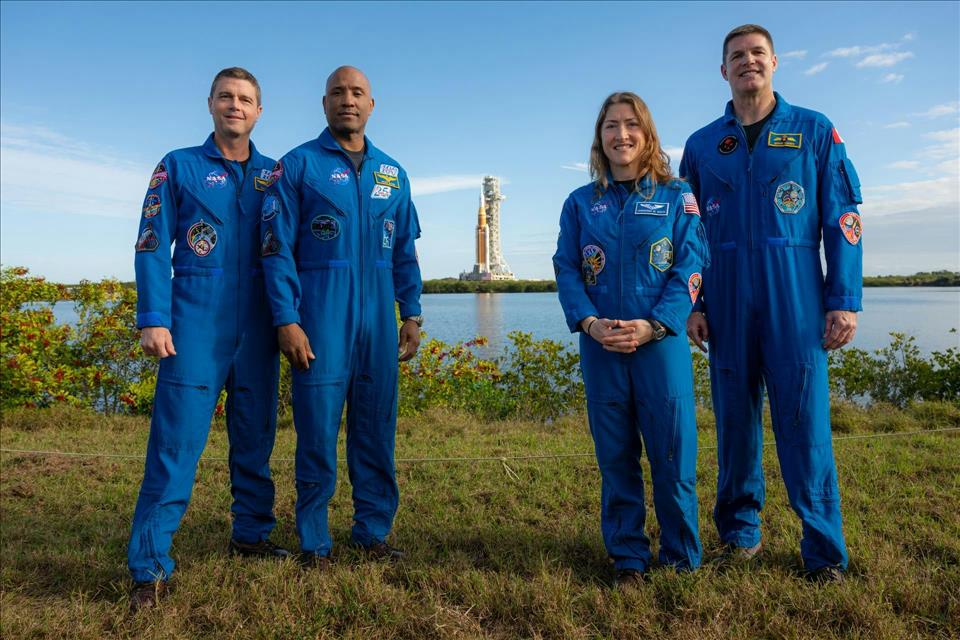
A Nov 11, 2025 solar particle event increased ground-level radiation by ~145% for two hours, highlighting persistent solar-radiation risk to deep-space missions such as Artemis II. A 1972 event was ~40x larger and could have caused severe astronaut illness or death, underscoring tail risk as nations invest in lunar bases (NASA planning ~US$20bn for a south-pole base). University of Surrey detectors (SAIRA) and the MAIRE model plus a High Energy Proton instrument are being deployed to characterise high-energy components and provide advance warnings so crews can shelter in Orion's protected locker area and operators can reroute or ground aircraft.
This article should be read as a reminder that rare but fat-tailed space-weather events act as catalysts that reprice engineering requirements across entire space/aviation ecosystems rather than merely creating one-off headlines. The immediate second-order shock is to demand for radiation-hardened avionics, hardened memory and optical particle detectors — items that force redesigns, longer validation cycles, and higher unit prices; procurement cycles for government and prime contractors mean meaningful revenue uplift will arrive in discrete waves over 12–36 months.
Commercial aviation and satellite operators face recurring operational costs (reroutes, altitude changes, grounding) and insurance premium repricing when high-altitude radiation events recur; this will compress airline margins episodically and lift specialist insurers/reinsurers and niche aerospace suppliers. Meanwhile, larger primes that already supply NASA and defence programs (spacecraft theatres, storm shelters, detector suites) are positioned to capture incremental program budgets tied to lunar infrastructure and regulatory safety mandates, accelerating multi-year contracting vs purely commercial space players.
The market consensus underestimates the elasticity of supplier pricing power: once a handful of high-profile missions demand proven rad-hard components, qualification barriers and lead times create oligopolistic pockets where suppliers can extract >10–20% margin expansion on follow-on contracts. Countervailing risks are program delays, a weak capex environment in commercial space, and the fact that a single quiet solar cycle would mute urgency; these create asymmetric windows to buy into durable defense/space suppliers on pullbacks within 6–24 months.
AI-powered research, real-time alerts, and portfolio analytics for institutional investors.
Request DemoOverall Sentiment
neutral
Sentiment Score
0.00
