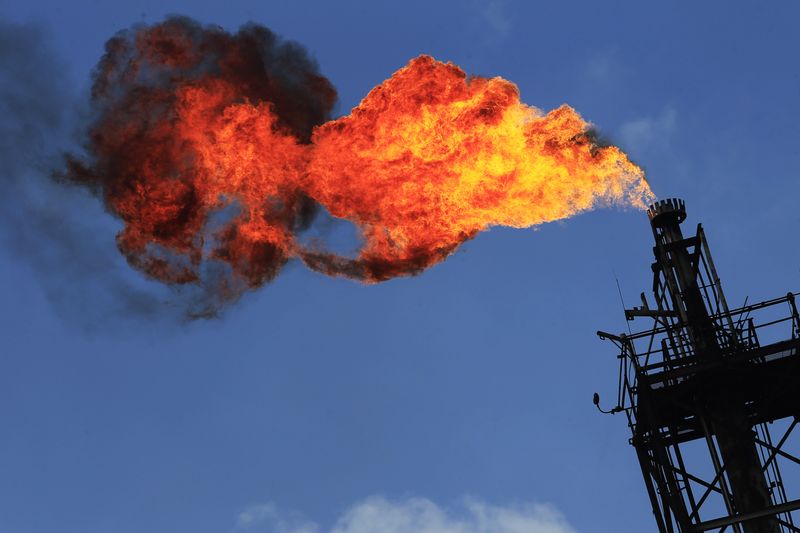
European natural gas prices eased on Thursday, with the Dutch TTF front-month contract down 0.2% to 43.82 euros/MWh and the UK front-month contract off 0.4% to 107.09 pence/therm. Markets are focused on renewed U.S.-Iran peace talks, which could affect sanctions risk and global LNG supply conditions; the IEA cited roughly 120 billion cubic meters of LNG supply lost between 2026 and 2030 due to the war. The news is geopolitically significant and relevant for gas markets, but price moves were modest in the session.
The main equity signal here is not the spot move in gas, but the optionality around supply-chain duration. If the market starts to price even a partial de-escalation, the first beneficiaries are not only European utilities and industrials but also anything levered to falling input volatility, lower margin hedging costs, and narrower variance in forward power curves. That argues for a short-volatility read across Europe energy names rather than a simple outright directional trade in the commodity itself.
The more interesting second-order effect is on U.S. AI/compute beneficiaries like SMCI and APP: lower and more stable gas prices reduce the odds of a renewed inflation impulse, which keeps rate-cut expectations alive and preserves long-duration equity multiples. The article’s own framing shows speculative AI names are being used as momentum proxies for a broader risk-on tape; that makes them vulnerable if the geopolitics headline fades and yields back up. In other words, these names can keep squeezing for days, but the fundamental bridge is weaker than the price action suggests.
The contrarian view is that the market may be overpricing an imminent normalization of supply. Negotiations that look constructive in headlines can still end in a frozen conflict with intermittent disruption risk, which keeps the structural risk premium embedded in LNG and European gas. If that happens, today’s dip is a fade opportunity in energy-sensitive cyclicals, while the “AI winners” become the cleaner expression of liquidity and momentum rather than any real geopolitical beta.
For ICE specifically, the event is neutral-to-slightly positive only as a venue/volume story if volatility remains elevated; the exchange benefits more from churn than from resolution. The true inflection is whether forward gas volatility collapses over the next 2-6 weeks; if not, the market is still paying for insurance, not peace.
AI-powered research, real-time alerts, and portfolio analytics for institutional investors.
Request DemoOverall Sentiment
mixed
Sentiment Score
-0.10
Ticker Sentiment
