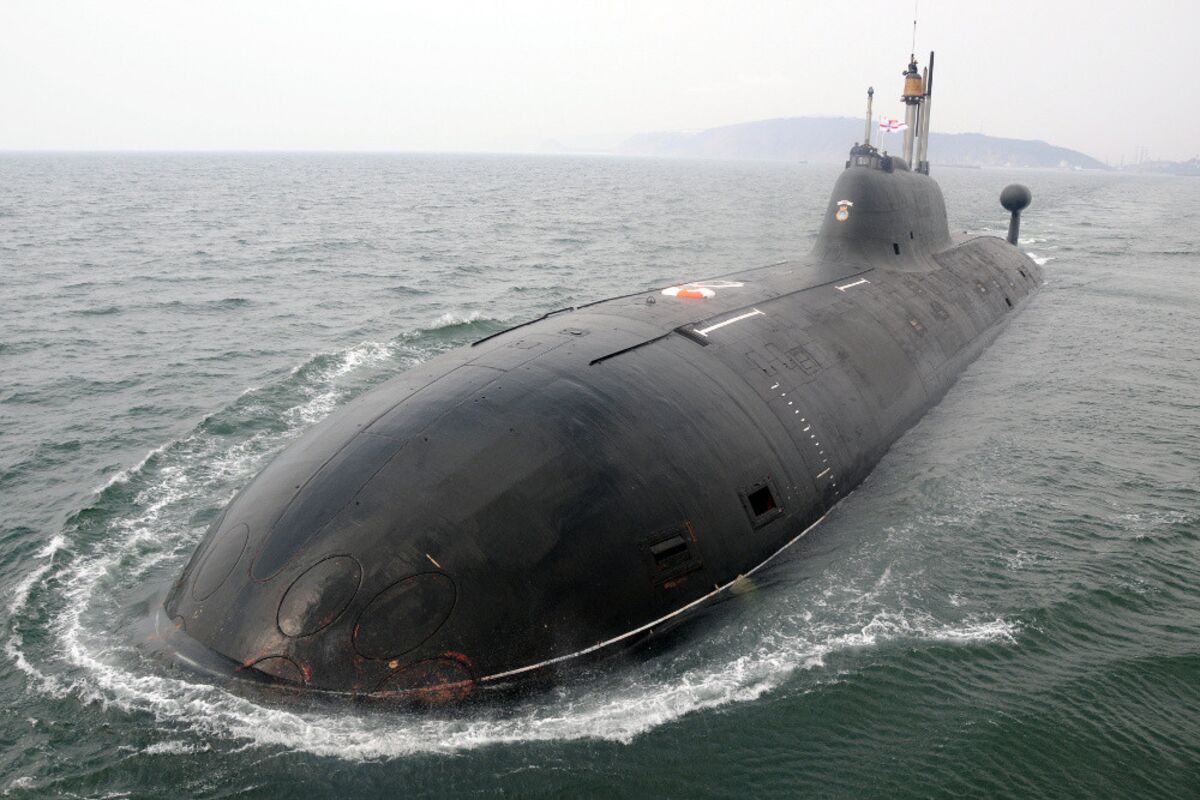
India and Russia agreed on a $2 billion deal for Russian submarines during President Vladimir Putin's visit to India, underscoring deepening defence ties between the two countries. The transaction reinforces India's naval modernization plans and signals continued military-technology cooperation with Russia despite potential Western scrutiny and sanctions considerations, with limited direct market-moving implications beyond defence suppliers and geopolitical risk assessments.
Market structure: The $2bn India–Russia submarine deal is strategically outsized versus its dollar value — it preserves Russian share in Indian undersea warfare and supports Russian defense cashflow while incrementally boosting Indian shipbuilding/MRO demand. Direct beneficiaries: Russian OEMs and Indian builders/suppliers (domestic yards, electronics/sonar suppliers); marginal losers: European submarine OEMs (Naval Group) and exporters competing for future Indian tenders. Pricing power shifts are tactical (contracts, spares, training) not systemic — expect localized margin tailwinds for Indian subcontractors over 6–24 months.
Risk assessment: Tail risks include targeted secondary sanctions or correspondent bank restrictions (15%–25% chance in 12 months) that could interrupt payments or spares flows, and delivery risk from Russia’s industrial strains (40% chance of multi‑month delays). Immediate market impact is muted; short term (weeks–months) is dominated by political rhetoric and payment routing news; long term (1–3 years) could accelerate India’s indigenization of subs and spare‑parts supply chains. Hidden dependencies: payment currency (rouble/rupee) and bank willingness to transact are critical — watch SWIFT/access arrangements.
Trade implications: Tactical, asymmetric plays: overweight Indian shipbuilding/defense equities and suppliers while using options to cap downside; small tactical RUB exposure as payments likely supportive to ruble absent sanctions. Relative value: long domestic Indian OEMs (expected order book + margin improvement) vs underweight select European exporters whose near‑term pipeline to India may be deferred. Timeframes: take positions now and scale over 3–12 months into follow‑on announcements or sanctions language.
Contrarian angles: Consensus may underplay that $2bn signals political intent more than cash flow — India is balancing geopolitical ties to secure capacity, which could spur multi‑year domestic capex in defense manufacturing (positive for capital goods). Reaction may be underdone for RUB appreciation risk and underpriced for domestic Indian suppliers’ revenue visibility; conversely, an overreaction risk exists if sanctions bite and delivery stalls, which would create buying opportunities in beaten‑down Indian defense names.
AI-powered research, real-time alerts, and portfolio analytics for institutional investors.
Request DemoOverall Sentiment
neutral
Sentiment Score
0.10
