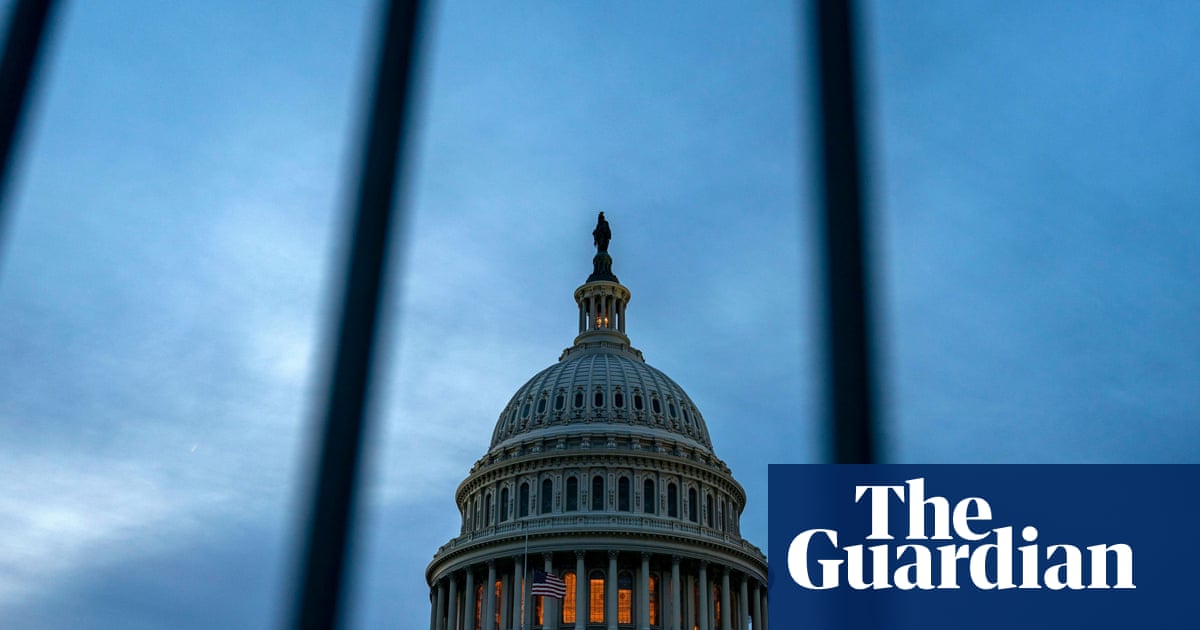
The US Senate has taken a key vote on legislation aimed at ending the 40-day federal government shutdown, but the proposed bill excludes an extension of Affordable Care Act (ACA) healthcare subsidies, a critical demand from Democrats. This omission has drawn widespread Democratic opposition, who warn of sharply increased health insurance premiums for millions and label the deal a "betrayal." The political stalemate risks prolonged economic disruption, including potential negative Q4 growth and travel sector impacts, as the shutdown's effects intensify.
The US Senate's vote to advance a government funding bill, notably excluding an extension of Affordable Care Act (ACA) subsidies, signals a continued political impasse despite the ongoing 40-day shutdown. This legislative move, intended to reopen the government, faces significant Democratic opposition due to the omission of critical healthcare provisions. White House economic adviser Kevin Hassett warned that prolonged closure could lead to negative Q4 economic growth, particularly if air travel disruptions persist through the Thanksgiving holiday.
The exclusion of ACA tax credit extensions carries substantial financial implications, as health experts project a more than doubling of monthly premiums for 2026 Obamacare plans for millions of Americans. This potential cost surge is a central point of contention, with Democrats labeling the proposed deal as a "betrayal" and "capitulation." House Speaker Mike Johnson's prior stance against holding a vote on these tax credits further complicates a resolution.
The strong, unified Democratic resistance, including prominent figures like Senators Warren and Sanders and House Minority Leader Jeffries, indicates a high probability of continued legislative gridlock. Republicans' rejection of a prior Democratic proposal for a one-year tax credit extension underscores the deep partisan divide. The uncertainty surrounding a separate vote on subsidies, as vaguely promised by Senate Republicans, suggests a protracted negotiation process with no clear path to a comprehensive agreement.
AI-powered research, real-time alerts, and portfolio analytics for institutional investors.
Request DemoOverall Sentiment
strongly negative
Sentiment Score
-0.80
